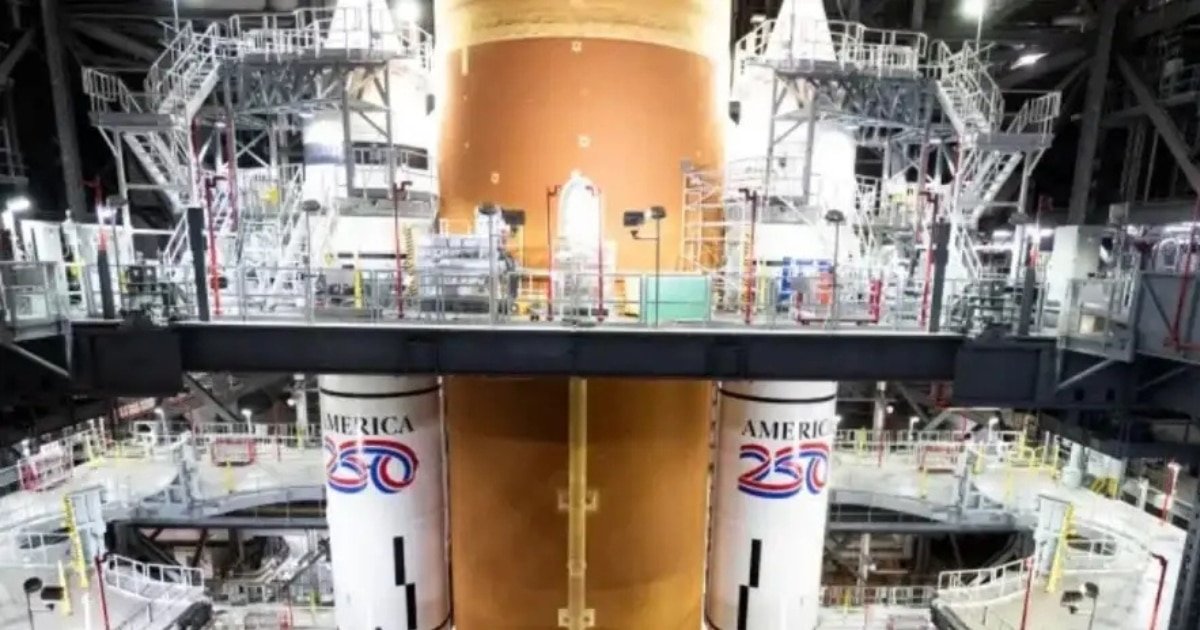





NASA released a comprehensive report marking the first anniversary of President Donald Trump’s second term, declaring a new “Golden Age” of American space leadership. The report highlights a year of rapid progress under the administration’s “America First Space Policy,” which has prioritized commercial speed and national security. Key milestones include the execution of two human spaceflight missions and the launch of 15 science missions, alongside the successful test flight of a new X-plane designed for next-generation aeronautics.
Today marks one year under @POTUS’s bold leadership, so we are taking this opportunity to reflect on how far we’ve come in the past 365 days.
With President Trump’s clear vision, NASA is strengthening human exploration, expanding key partnerships, and delivering missions of… pic.twitter.com/ycmRmhiXxw
— NASA (@NASA) January 20, 2026
A central pillar of the report is the acceleration of the Artemis program, which now aims to return American astronauts to the lunar surface by 2028. To support this, NASA and the Department of Energy recently signed a memorandum to develop a fission surface power system (lunar nuclear reactor) intended for launch by 2030. NASA Administrator Jared Isaacman, confirmed in December 2025, emphasized that these lunar investments are the “essential stepping stones” for the next giant leap: human missions to Mars.
You May Like To Read:FIFA Global Football Development Chief Arsène Wenger, and President Infantino Announce Major Development Push for Pakistan
The administration has also integrated space exploration with national defense through the “Golden Dome” initiative, a multi-layered missile defense shield that includes space-based interceptors. While the White House initially proposed significant budget cuts, a bipartisan $24.4 billion funding package passed in early January 2026 has restored critical science programs. As NASA enters this second year, the focus shifts to the upcoming Artemis II mission, which will send a crew around the Moon for the first time in over 50 years.
Check out our latest video: