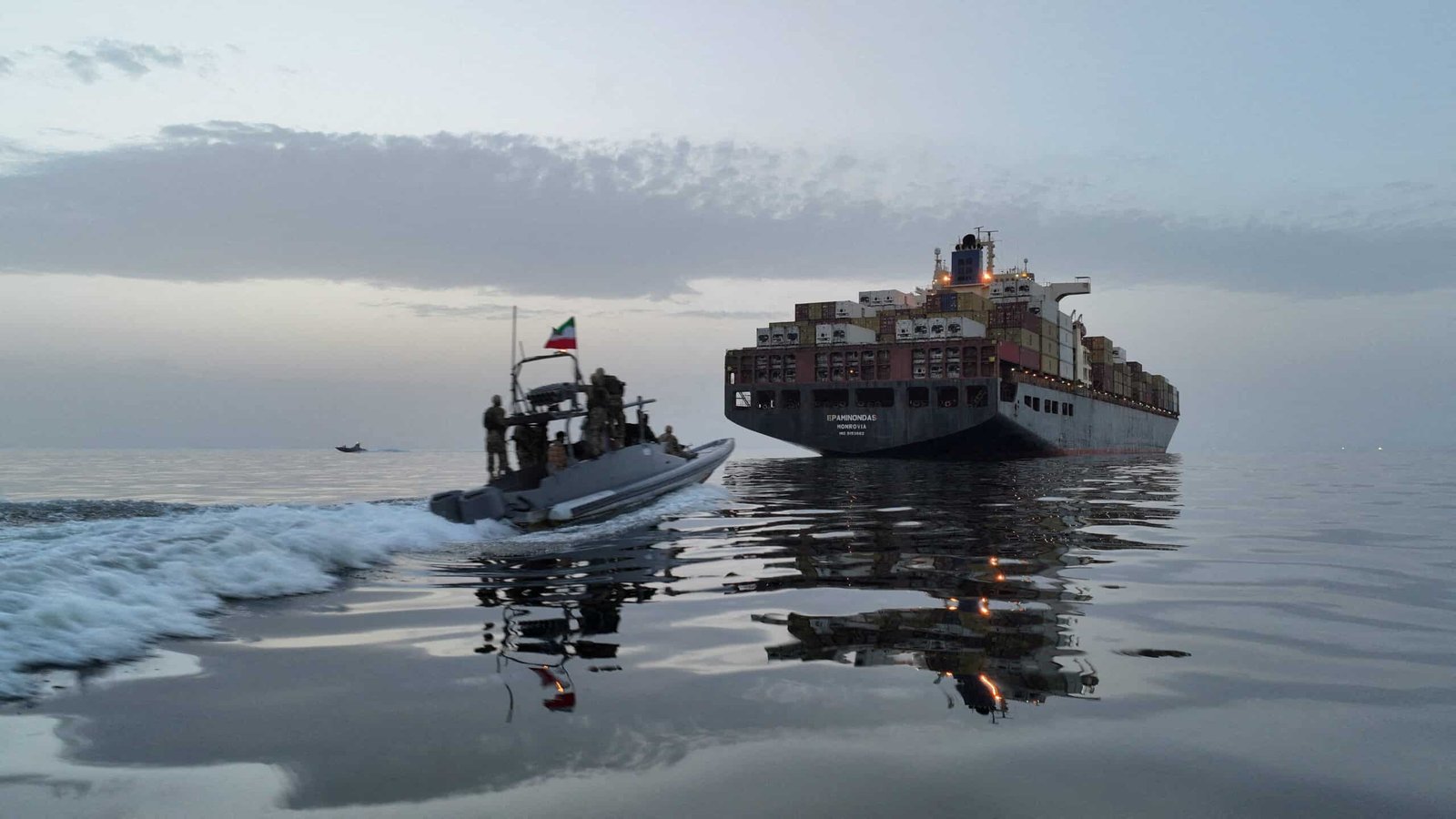




In a move highlighting Iran’s growing influence over regional energy flows, Iraq and Pakistan have reportedly struck deals with Tehran to ensure the passage of vital oil and liquefied natural gas (LNG) shipments through the Strait of Hormuz. This development comes amid a U.S.-Israeli conflict with Iran that has severely disrupted energy exports from the region, which typically accounts for 20% of global crude oil and LNG supply.
Iraq and Pakistan have both reached separate agreements with Iran to facilitate the shipment of oil and liquefied natural gas through the Gulf, Reuters reported, citing five sources familiar with the matter.
Reuters claimed that in an unreported arrangement between Baghdad and… pic.twitter.com/wc6pQVtg0e
— Al Mayadeen English (@MayadeenEnglish) May 12, 2026
Sources familiar with the matter indicate that Iraq, heavily reliant on oil revenues, has secured safe passage for crude oil tankers through the strait following a previously unreported agreement with Iran. Pakistan, facing surging fuel costs and a need to meet summer electricity demand, has also arranged for Qatari LNG shipments to pass through Iranian-controlled waters.
“Iran has shifted from blocking Hormuz to controlling access to it… Hormuz is no longer a neutral transit route, it is a controlled corridor,” said Claudio Steuer of the Oxford Institute for Energy Studies.
While neither Iraq nor Pakistan have made direct payments to Iran or its Islamic Revolutionary Guard Corps (IRGC), the deals signal a willingness to navigate the new reality of Iranian control over the Strait of Hormuz.
Other countries are reportedly exploring similar arrangements with Iran as rising energy costs and supply disruptions put pressure on Asian economies.
Key Highlights
- Iraq secures safe passage for oil tankers through the Strait of Hormuz in a deal with Iran.
- Pakistan arranges for Qatari LNG shipments to transit Iranian-controlled waters.
- Iran demands reparations, sanctions relief, and access to frozen assets as part of any settlement to end the conflict.
- Disruptions in the Strait of Hormuz have caused Brent crude prices to surge by over 50% and LNG prices in Europe and Asia to jump by roughly 35%-50%.
Sector Analysis
The deals between Iraq, Pakistan, and Iran highlight the vulnerability of global energy markets to geopolitical instability. As Iran asserts greater control over the Strait of Hormuz, energy-importing nations are being forced to adapt, potentially leading to:
- Increased reliance on Iran: Countries seeking to secure energy supplies may find themselves increasingly dependent on Iranian goodwill, potentially altering regional power dynamics.
- Higher energy costs: The disruption in the Strait of Hormuz has already led to significant price increases. Continued uncertainty could lead to further volatility in global energy markets.
- Geopolitical realignments: The willingness of some nations to engage with Iran despite U.S. sanctions could strain existing alliances and reshape geopolitical relationships.
- Increased Scrutiny: The increased control that Iran has over the Strait of Hormuz has been noticed and is causing other nations to explore similar deals