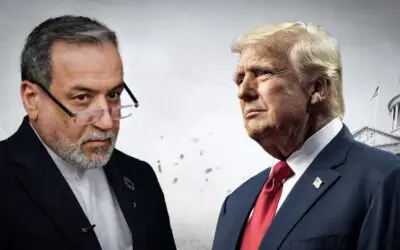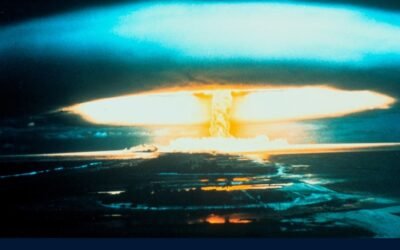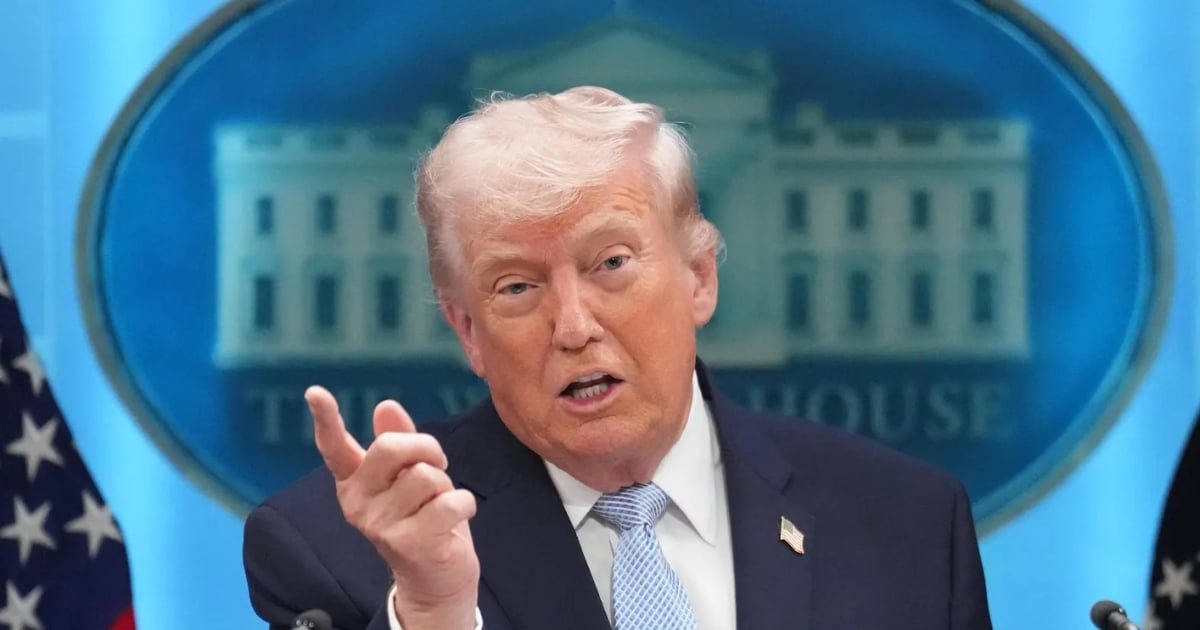



US President Donald Trump has once again escalated his rhetoric against Iran, warning that the entire country could be “taken out in one night” if Tehran does not reopen the Strait of Hormuz by his deadline.
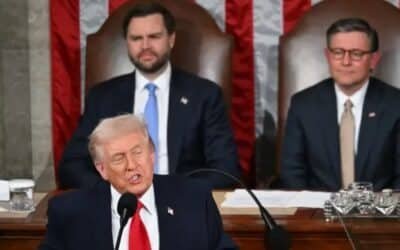
Speaking at a White House news conference on Monday, Trump repeated threats to destroy Iranian bridges and power plants, claiming reconstruction could take “100 years.” He described a scenario in which “every bridge in Iran will be decimated… every power plant burning, exploding and never to be used again.”
The strong language has sparked sharp criticism and legal concerns in Washington. More than 100 US-based international law scholars recently signed an open letter warning that attacks on civilian infrastructure could violate the UN Charter and international humanitarian law.
Democrats have been particularly vocal. Several lawmakers, including Senators Chuck Schumer, Elissa Slotkin, and Chris Van Hollen, as well as Congresswoman Yassamin Ansari, described the threats as reckless and potentially amounting to war crimes. Some are calling for Congress to return from recess to pass a war powers resolution limiting the president’s actions.
Sharif University is Iran’s MIT. They’ve produced a huge number of engineers who’ve gone on to Silicon Valley and founded some of the most successful American tech companies.
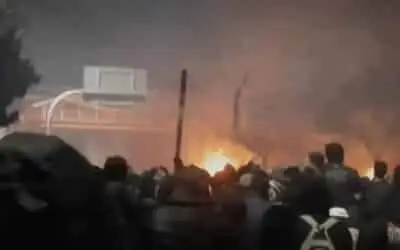
Why are we bombing a university in a city of 10 million people? https://t.co/XM8GFD06Ws
— Congresswoman Yassamin Ansari (@RepYassAnsari) April 6, 2026
Republicans, on the other hand, have largely defended the president’s approach. Senator Joni Ernst called it necessary leverage in an ongoing operation, while others urged Trump to act even more forcefully if needed.
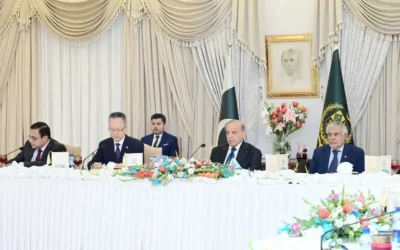
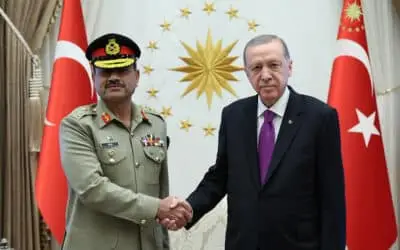
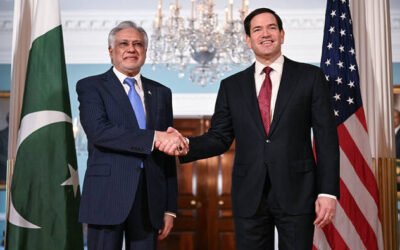
Despite the aggressive tone, Trump also signalled that diplomacy is still active. He described Iran as an “active, willing participant” in indirect talks and said negotiations through intermediaries are “going well.” Pakistan, along with Egypt and Turkey, continues to play a key facilitating role, with US Vice President JD Vance and Special Envoy Steve Witkoff coordinating the outreach.
The situation remains highly volatile. With Trump’s deadline looming and deep divisions in Washington over both the legality and wisdom of his threats, Pakistan’s mediation efforts are now operating in an extremely delicate environment.
Whether these back-channel diplomatic initiatives can prevent further escalation or if the crisis will spiral into a wider regional conflict remains uncertain.
You May Like To Read: Pakistan Promotes Electric Vehicles to Cut Fuel Imports and Save Reserves
Check out our latest video: