




I. The Transformation of India’s Stance and Diplomatic Signaling
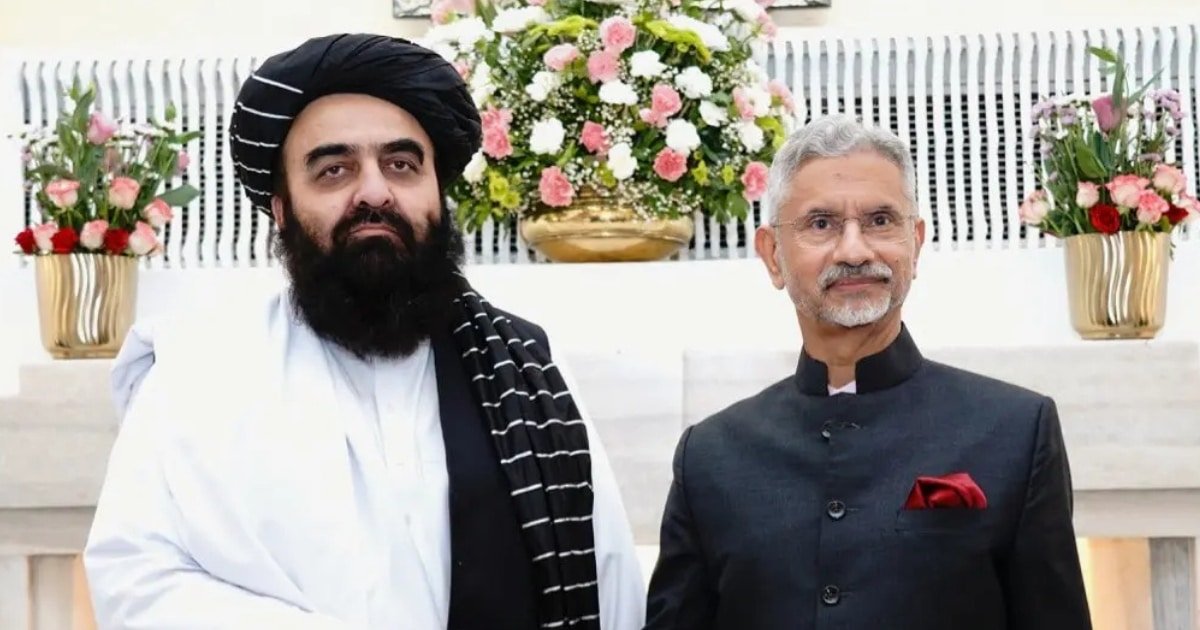
Four years after India severed all official ties with Afghanistan following the Taliban takeover in August 2021, the Indian government has initiated a profound strategic transformation in its policy toward the extremist regime. This policy pivot culminated in October 2025 with the high-profile visit of Taliban Foreign Minister Amir Khan Muttaqi to New Delhi, followed by the official reopening of the Indian embassy in Kabul.
The Backlash and Official Silence: The diplomatic engagement was marked by immediate controversy. At the initial press conference in New Delhi, the Taliban brazenly barred women journalists from attending. While a subsequent meeting was arranged allowing women to participate, and journalists grilled the regime leaders over their suppression of women’s rights and the 2021 killing of Indian journalist Danish Siddiqui, India’s Ministry of External Affairs maintained a conspicuous silence. Furthermore, the official joint statement issued after the talks deliberately omitted any reference to the Taliban’s responsibility to safeguard women’s rights, signaling a clear prioritization of political and security pragmatism over human rights concerns.
India has officially established full diplomatic relations with the #Taliban-led government in #Afghanistan. 🇮🇳🤝🏻🇦🇫 pic.twitter.com/yJgz6DLGgB
— Tanmay Kulkarni 🇮🇳 (@Tanmaycoolkarni) October 10, 2025
II. The Geopolitical Driver: ‘The Enemy of My Enemy’
The central motivation for this diplomatic pivot is the escalating hostility between the Taliban regime and Pakistan, following decades where the Taliban was traditionally viewed by New Delhi as a hostile proxy aligned with Pakistan’s military and the ISI.
- Historical Context: During the 2001–2021 war, India backed the Northern Alliance and NATO-supported governments. Conversely, the Taliban targeted Indian interests, including attacks on diplomatic sites and a guesthouse between 2009 and 2013, killing Indian nationals.
- The Pakistan-Taliban Rift: Since the Taliban regained power in 2021, relations with Islamabad have severely deteriorated. Pakistan accuses the Taliban of harboring Tehreek-e-Taliban Pakistan (TTP) fighters, who have launched an increasing number of cross-border attacks against Pakistan, allegedly with covert support from India.
- TTP attacks have reached a total of at least 600 over the past year.
- This internal violence includes a suicide bomb attack in Islamabad on November 11, 2025, which killed at least 12 people, and a deadly blast in Delhi just one day earlier, killing 13 people.
- The border tensions escalated further on November 25, when the Taliban accused Pakistan of killing a woman and nine children in air strikes in Khost province.
- Indian Strategic Signaling: Capitalizing on the growing Kabul-Islamabad tensions, India launched small missions for trade, medical, and humanitarian aid. In 2024, the Taliban appointed an envoy in New Delhi and an acting consul general in Mumbai. Crucially, a joint Taliban-India statement publicly referred to Indian-administered Kashmir as ‘Jammu and Kashmir, India,’ a profound diplomatic gesture that signals respect for Indian sovereignty and directly challenges Pakistan’s disputed territorial claim.
Pro-BJP media and nationalist analysts have strongly supported the engagement, interpreting the strained Taliban-Pakistan ties as an opportunity for the Taliban to establish a political identity independent of its historical reliance on Pakistan’s intelligence apparatus.
III. Long-Term Risks, Factionalism, and Ethical Concerns
The analysis cautions that relying on the current Afghanistan-Pakistan rift may be a short-sighted strategic mistake. Historical precedent shows that post-9/11 hostilities between the two parties were eventually overcome by mutual dependence, forcing them to reconcile.
Taliban Factionalism: The regime remains internally fractured, with key factions maintaining strong ties to hostile external groups. The Haqqani Network, for instance, has historically remained close to Pakistan’s ISI and al-Qaeda, representing a continued vector for Pakistani influence and regional security risk. Meanwhile, the Quetta Shura maintains links with terrorist groups including Jaish-e Mohammad and Lashkar-e-Taiba (LeT), posing a direct threat of cross-border attacks orchestrated against Indian soil.
Undermining India’s Pluralist Image: The most immediate and significant risk is the damage to India’s carefully cultivated pluralist international image.
- Normalizing Atrocities: Maintaining diplomatic ties with a regime responsible for gender, ethnic, and religious apartheid risks trivializing and normalizing its systematic atrocities against women and minority groups, including Tajiks, Uzbeks, and Hazaras.
- Selective Humanitarianism: After closing its embassy and disregarding its historical friendly ties with the Afghan people, India selectively facilitated the evacuation of Afghan Sikhs and Hindus, while leaving many Afghan Muslims in limbo. India also previously deported an Afghan nationalist woman parliamentarian seeking refuge and denied visas to Afghan students with admission to Indian universities.
IV. Suggested Policy Alternatives for Ethical Engagement
The analysis strongly suggests that India should prioritize humanitarian and academic engagement over political recognition to uphold its democratic values and long-term security:
- Grant Comprehensive Scholarships: Immediately establish and fund comprehensive scholarship programs for Afghan women, who are currently being denied basic education under the regime.
- Offer Long-Term Asylum: Offer long-term visas and asylum to persecuted Afghan communities seeking refuge, in line with India’s historical traditions of welcoming refugees.
- Ensure National Security: Provide public assurance to taxpayers that engagement with the extremist government will not create national security risks or pathways for collaboration with terrorist entities operating from Afghan soil.
You May Like To Read: King Charles Hosts Christmassy State Banquet for German President