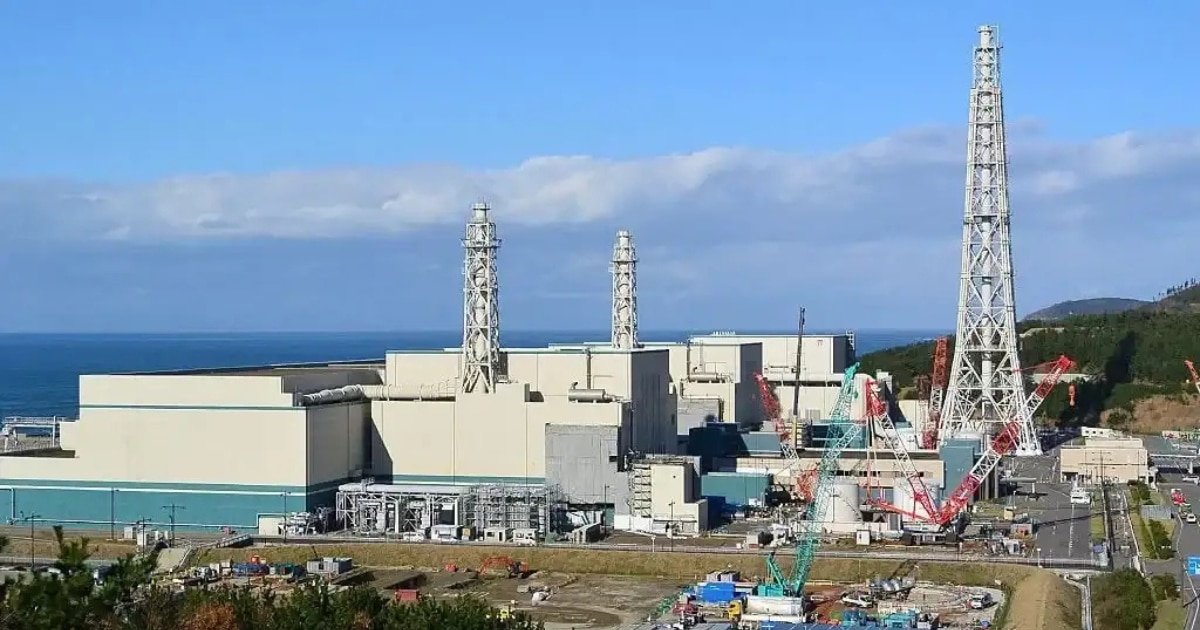





Japan’s energy sector faced a major setback as the Kashiwazaki-Kariwa Nuclear Power Plant was forced to suspend operations just hours after its historic reactivation. The No. 6 reactor, which had been offline for 14 years following the 2011 Fukushima disaster, was restarted on Wednesday evening. However, at 12:28 a.m. local time on Thursday, an alarm triggered during the withdrawal of neutron-absorbing control rods, compelling Tokyo Electric Power Company (TEPCO) to halt the process and begin a full shutdown.
Control-rod removal operations at the world’s largest nuclear power plant were suspended due to an alarm malfunction less than a day after the reactor was restarted, Tepco said Thursday. https://t.co/tbe4gvt8Ri
— The Japan Times (@japantimes) January 22, 2026
The failure involved the control rod operating system, the critical safety mechanism used to regulate nuclear reactions. While TEPCO replaced several electronic components in an attempt to fix the issue, the problem persisted, leading site superintendent Takeyuki Inagaki to confirm that a quick resolution is unlikely. Despite the glitch, TEPCO assured the public that the reactor remains “stable” and there has been no radiation leak. This setback follows a previous delay earlier in the week caused by a separate alarm malfunction during pre-startup tests.
You May Like To Read: Arctic Monkeys release First new Song since 2022 to benefit War Child
The restart of Kashiwazaki-Kariwa is a cornerstone of Japan’s “Basic Energy Plan,” which aims for nuclear power to provide 20% of the nation’s electricity by 2040. As the first TEPCO-run unit to attempt a post-Fukushima comeback, the plant’s reliability is under intense scrutiny from both regulators and a wary public. TEPCO has stated that the reactor will not resume operations until the root cause is identified and corrected, casting doubt on the original goal of beginning commercial operations by late February.
Check out our latest video: