




Pakistan’s energy crisis is one of the country’s most pressing challenges. Despite vast potential in renewable energy sources like solar, wind, and hydro power, Pakistan still struggles with frequent power outages, high energy costs, and reliance on imported fossil fuels. As of 2024, renewable energy makes up less than 5% of the country’s total energy mix. Source: Ministry of Energy, Pakistan
This article explores whether renewable energy can provide a sustainable solution to Pakistan’s energy crisis or if policy failures and economic challenges will prevent the country from fully tapping into its renewable potential.
Pakistan’s Growing Energy Demand
Pakistan’s energy demand has been steadily increasing due to:
- Population growth – Pakistan’s population has reached over 255 million.
- Industrialization – Growing manufacturing sectors are adding to power consumption.
- Urbanization – Cities like Karachi and Lahore consume more energy for infrastructure and services.
The current energy mix relies heavily on fossil fuels (coal, natural gas, oil), which are not only costly but also harmful to the environment. By 2024, Pakistan’s energy shortfall was estimated to be around 5,000 MW to 6000 MW, leading to unscheduled blackouts and economic disruptions.
You May Like To Read: Hague Arbitration Vindicates Pakistan on Indus Waters Treaty
The Renewable Energy Potential
Pakistan is home to abundant renewable energy resources:
- Solar Power: The Thar Desert offers vast, untapped solar energy potential.
- Wind Energy: Areas in Sindh have wind speeds ideal for turbines.
- Hydropower: With over 20,000 MW of untapped hydropower potential, Pakistan has a significant opportunity to use its rivers more effectively.
In fact, Pakistan’s renewable energy potential exceeds the total energy needs of the country. According to the International Renewable Energy Agency (IRENA), Pakistan could generate up to 70% of its energy from renewables, but policy and financial constraints have prevented this from materializing.
Policy Failures, and Challenges
Despite the promise of renewable energy, Pakistan has faced multiple policy failures that have hindered progress:
- Lack of Clear Government Vision: While some governments have pledged to expand renewable energy, the country lacks a consistent, long-term strategy.
- Slow Project Implementation: Projects like solar farms and wind power plants have been delayed due to bureaucratic inefficiencies and lack of investment.
- Subsidies for Fossil Fuels: Fossil fuels continue to be subsidized, creating a disincentive for renewable energy development.
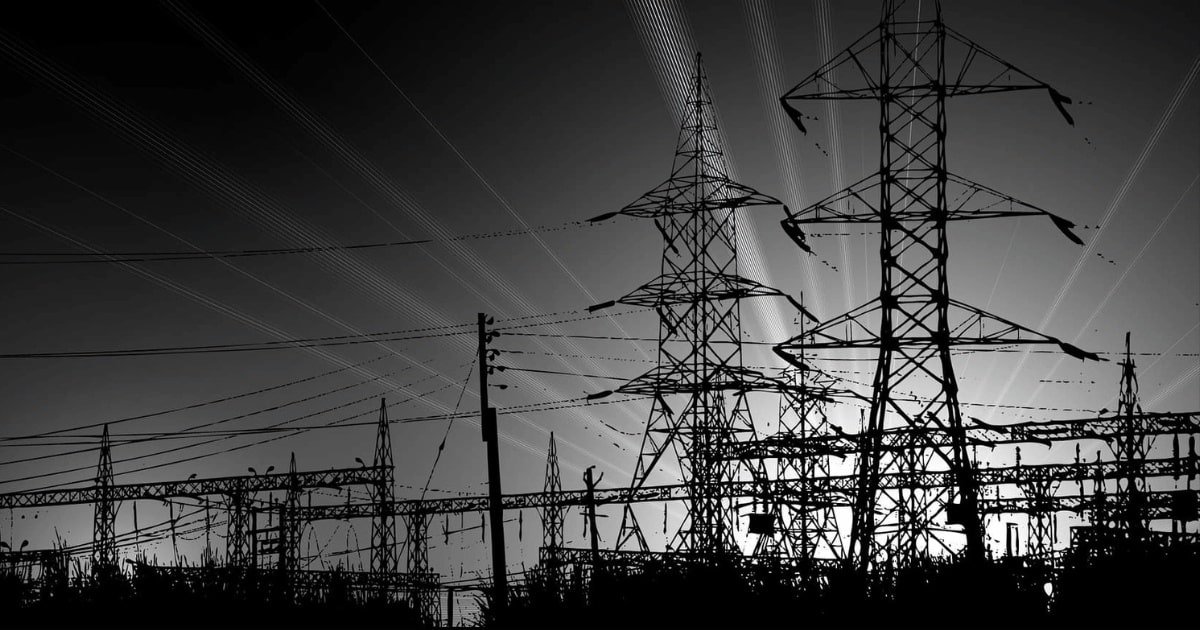
In addition, Pakistan’s power transmission infrastructure is outdated and cannot handle the fluctuating nature of renewable energy sources, further complicating the adoption of green energy.
Electricity prices in Pakistan are 423% more than India and all neighbouring countries!
This clearly shows criminal negligence in planning.. pic.twitter.com/SKMFAYKEHY
— Economy of Pakistan (@Pakistanomy) July 29, 2024
The Economic Impact of Energy Shortages
Energy shortages have significant economic consequences:
- Industry Shutdowns: Frequent power cuts lead to the shutdown of factories, causing loss of productivity and job cuts.
- Increased Import Costs: Pakistan spends billions on importing oil and natural gas, draining foreign exchange reserves.
- Inflation: High energy prices contribute to overall inflation, affecting the purchasing power of the population.
These challenges underscore the need for renewable energy as a cost-effective, long-term solution to reduce Pakistan’s reliance on imported fuels and lower the burden of energy costs on consumers.
Political Challenges of Energy Reform
One of the major hurdles to energy reform is the political instability and lack of willpower to implement significant changes. Many political parties resist large-scale reforms in the energy sector because:
- Fossil Fuel Lobby: The powerful fossil fuel industry often pushes back against renewable policies.
- Short-Term Focus: Political leaders prioritize short-term solutions, like importing fuel, over investing in long-term projects like renewable energy infrastructure.
- Corruption: There have been instances where energy projects have been delayed or abandoned due to corruption or mismanagement.
For sustainable energy reform, political consensus and commitment to long-term policies are critical.
Community-Level Renewable Projects: Empowering Rural Pakistan
One promising approach to addressing the energy crisis is to focus on community-level renewable projects. For rural areas that are often off the grid, small-scale projects can provide immediate benefits:
- Solar Microgrids: Small, localized solar systems can provide clean energy to remote villages.
- Wind Turbines: In areas like Sindh, small wind turbines could provide affordable electricity for local businesses and homes.
- Hydropower Projects: Small-scale hydropower stations can be built along Pakistan’s rivers to serve local communities without major infrastructure projects.
These projects not only provide energy but also empower local communities, create jobs, and improve quality of life.
You May Like To Read: Carbon Markets and Neocolonialism
Government’s Role in Renewable Energy Expansion
To unlock the full potential of renewable energy, the government must take a leadership role:
- Clear Policy and Planning: Develop a long-term renewable energy strategy that includes financial incentives, project timelines, and a clear regulatory framework.
- Public-Private Partnerships: Encourage partnerships between the government and private investors to fund renewable energy projects.
- Infrastructure Development: Modernize the national grid to handle renewable energy inputs and reduce transmission losses.
- International Cooperation: Seek financial support and technology transfers from international bodies like the World Bank and Asian Development Bank to help fund renewable energy projects.
Conclusion: Can Renewable Energy Save Pakistan?
The short answer is yes, renewable energy can rescue Pakistan. But only when decisive action is taken by the country now. Political difficulties, budgetary pressures, and obsolete infrastructure all exist and there is no denying that they are formidable obstacles to overcome. Pakistan needs to address these barriers to exploit the full potential of its resource of renewable energy and have a more sustainable and independent energy future..