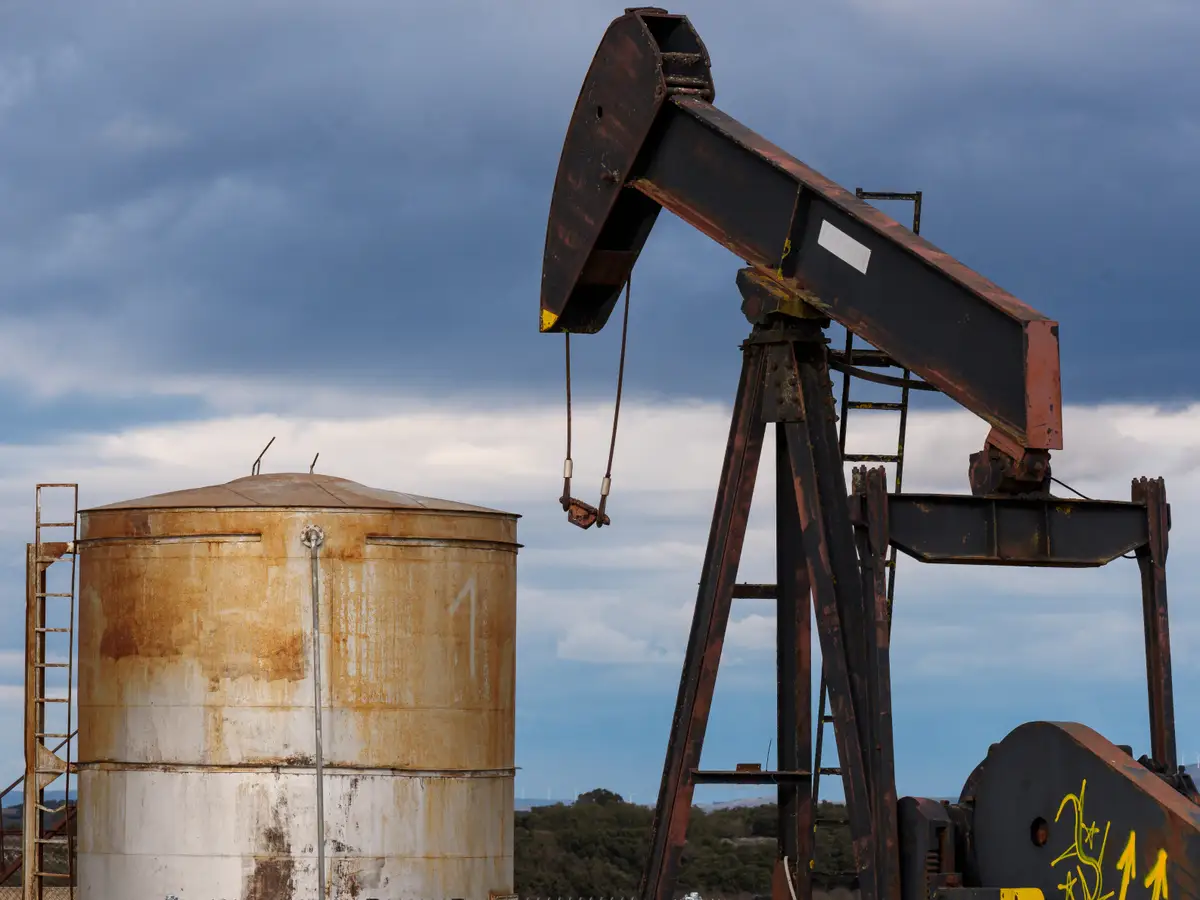





Oil prices surged sharply on Monday after US President Donald Trump announced a naval blockade on Iranian ports, raising fresh fears of major disruptions to global energy supplies.
Oil prices surged Sunday after Iran-US talks ended without a deal and President Trump announced a naval blockade on the Strait of Hormuz starting Monday evening local time.
West Texas Intermediate jumped 8.56% to $104.84 a barrel. Brent crude rose 8.61% to $103.38.
— Iran International English (@IranIntl_En) April 13, 2026
Brent crude, the international benchmark, jumped more than 8% to cross the psychologically important $100-a-barrel mark for the first time since Tuesday, when it had briefly topped $111.
The spike came after Trump declared on Sunday that the US Navy would block all ships from entering or exiting Iranian ports following the collapse of weekend ceasefire talks in Islamabad. The US Central Command later clarified that the blockade, effective from 10am ET (14:00 GMT) on Monday, would target only vessels travelling to and from Iran, and that other traffic through the Strait of Hormuz would not be impeded.
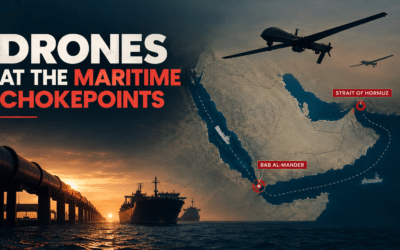
The Strait of Hormuz is a critical chokepoint, carrying roughly one-fifth of the world’s oil and natural gas supplies. Iran had largely restricted traffic through the waterway after US-Israeli strikes began on February 28, causing wild swings in oil prices. Although a fragile two-week ceasefire was announced last week, vessel movements have remained minimal — only 17 ships crossed the strait on Saturday compared to the usual 130 daily transits before the war.
The renewed uncertainty sent ripples through financial markets. Major Asian stock indices opened lower, with Japan’s Nikkei 225 falling 0.9% and South Korea’s KOSPI dropping more than 1%. US stock futures also declined, with S&P 500 futures down around 0.8%.
The latest escalation has heightened concerns that the fragile truce could collapse, potentially triggering even higher energy prices and broader economic fallout.