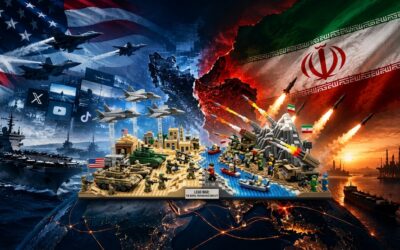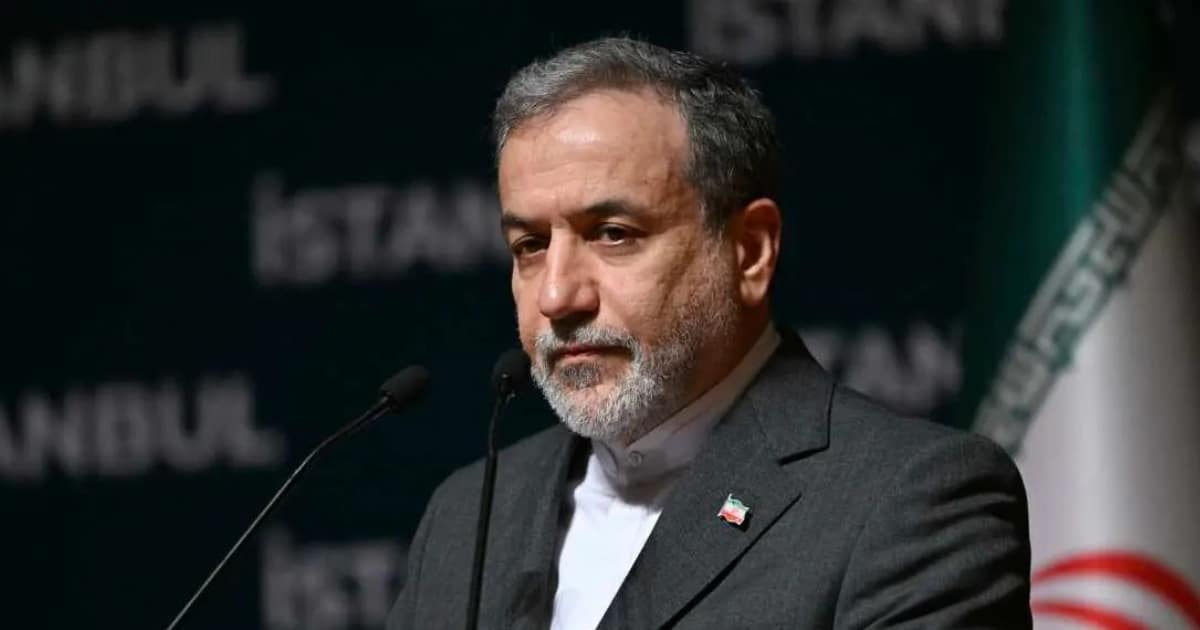





Iranian Foreign Minister Abbas Araghchi has issued a formal expression of gratitude to the government and people of Pakistan for their “unwavering support” amid the ongoing conflict with the United States and Israel. In a rare post shared in Urdu on the social media platform X, Araghchi lauded Islamabad’s “full-throated expression of solidarity” in the face of what he termed foreign aggression.
The statement highlights a deepening diplomatic bond between the two neighbors as Iran faces the most significant challenge to its sovereignty since the 1979 Revolution.
ان بابرکت، الٰہی اور روحانی دنوں اور گھڑیوں میں،
میں حکومت اور عوامِ پاکستان کا تہہِ دل سے شکریہ ادا کرتا ہوں کہ انہوں نے امریکہ اور صہیونی رجیم کی جارحیت کے مقابلے میں عوام اور حکومتِ اسلامی جمہوریہ ایران کے ساتھ اپنی یکجہتی اور حمایت کا بھرپور اظہار کیا۔— Seyed Abbas Araghchi (@araghchi) March 16, 2026
A Message of Resilience in Urdu
Araghchi’s decision to address the Pakistani public in their national language was seen by analysts as a strategic move to acknowledge the cultural and spiritual ties between the two nations.
-
The Message: Araghchi extended his “heartfelt gratitude” for Pakistan’s solidarity against “America and the Zionist regime.”
-
Commitment to Sovereignty: He reaffirmed Iran’s commitment to defending its territorial integrity, stating the nation relies “fully on Allah Almighty” and urging steadfastness in the face of external threats.
اسلامی جمہوریہ ایران اللہ تعالیٰ پر کامل توکل کے ساتھ اپنی حاکمیت اور علاقائی سالمیت کے دفاع کے لیے ثابت قدمی اور استقامت کے ساتھ کھڑا ہے۔
— Seyed Abbas Araghchi (@araghchi) March 16, 2026
Pakistan’s Diplomatic Balancing Act
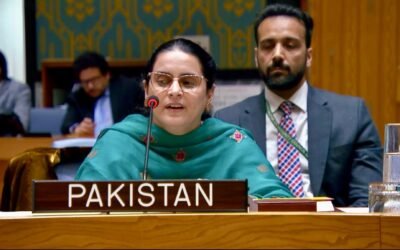
While Islamabad has condemned the “unwarranted attacks” on Iran, it continues to maintain a cautious and balanced stance to protect its own regional interests.
-
Supportive Neutrality: Pakistan has called for an “immediate halt to escalations” and a return to diplomacy, while avoiding direct military involvement.
-
Solidarity vs. Alliances: Prime Minister Shehbaz Sharif and Deputy PM Ishaq Dar have held multiple consultations with Iranian leadership, while simultaneously coordinating with Saudi Arabia and other Gulf allies who have faced retaliatory strikes from Iranian drones.
Global Market Impact: Brent Crude Surpasses $106
The ongoing war, which began on February 28, continues to wreak havoc on global energy and transportation networks:
-
Energy Shock: As of Monday, Brent crude oil has surged to $106.34 per barrel, fueled by the collapse of oil flows through the Strait of Hormuz to a mere trickle.
-
Aviation Crisis: Major Gulf hubs including Dubai (DXB), Doha (DOH), and Abu Dhabi (AUH) have faced significant operational disruptions. Thousands of flights have been cancelled, with airlines like Emirates and Etihad forced to operate limited schedules through temporary “controlled corridors.”
-
Logistics Strain: The conflict has snarled the movement of critical goods, including temperature-sensitive medicines and food, forcing international carriers to reroute through the Caucasus or Egypt.
You May Like To Read: IRGC Issues Assassination Threat Against Netanyahu
Strategic Outlook
Despite President Trump’s recent calls for an international coalition to secure the Strait of Hormuz, Iran’s leadership has vowed to keep the passage closed as long as it is under attack. The “unwavering support” from Pakistan remains a critical pillar for Tehran as it navigates the intense economic and military pressure of the conflict.
Check out our latest video: