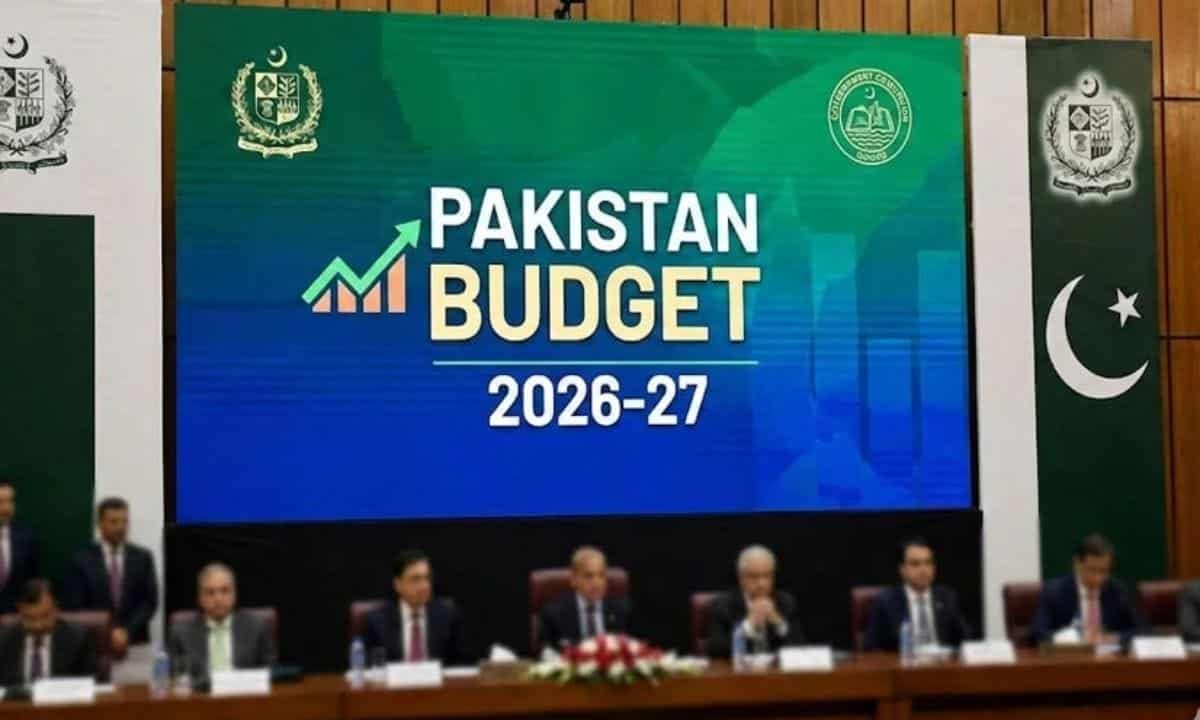





Pakistan is embarking on a path of fiscal consolidation and economic reform, supported by the International Monetary Fund (IMF), with ambitious revenue targets and significant policy adjustments outlined in the recently released staff report on the completion of the third review of the $7 billion Extended Fund Facility (EFF) and second review of the $1.4 billion Resilience and Sustainability Facility (RSF). The report details key revenue targets for the fiscal year 2026-27, alongside administrative and policy measures committed by the government.
The IMF set Pakistan’s FY2026–27 federal revenue target at Rs. 17.145 trillion, linked to new budget measures and an 18% higher petroleum levy.
Pakistan must complete key prior actions before the IMF board approves a $1.3 billion disbursement. These include Rs. 136 billion in… pic.twitter.com/tXTwXIE7iK
— Bloom Pakistan (@bloom_pakistan) May 16, 2026
Key Highlights of the IMF-Backed Plan
- Revenue Boost: The IMF projects total federal revenues for FY27 at Rs17.144 trillion, a substantial 13.5% increase (over Rs2.03 trillion) compared to the current fiscal year.
- New Budgetary Measures: The plan incorporates Rs430 billion in new budgetary measures, aiming to bolster revenue generation.
- Increased Petroleum Levy: An 18% hike in the petroleum levy target is proposed, potentially translating to an average levy rate of Rs100 per liter, signaling a likely increase in fuel prices for consumers.
- Provincial Contribution: Provinces are expected to mobilize an additional Rs430 billion, contributing to a total provincial revenue target of Rs1.95 trillion. This will be achieved through improved collection of general sales tax on services and agricultural income tax.
- FBR Target: The Federal Board of Revenue (FBR) is tasked with a collection target of Rs15.264 trillion for FY27, a 13.7% increase. The IMF expects this growth to be driven by organic revenue increases, administrative reforms, and enforcement measures, supported by tax audits and improved recoveries in key sectors.
- Social Safety Net Expansion: Recognizing the vulnerability of a significant portion of the population (estimated at 40%), the Benazir Income Support Programme (BISP) will see an increase in payments to Rs18,000 per family.
- Defense Spending Increase: Defence expenditure is projected to rise to Rs2.665 trillion, a Rs100 billion increase compared to the current year.
- Development Spending: The Public Sector Development Programme is projected at Rs986 billion for the next year.
- External Financing Needs: The IMF estimates Pakistan’s external financing needs for the next year at $21.2 billion, with projected financing of $21.9 trillion from various lenders.
- Power Sector Reforms: Tariff adjustments in the gas and power sectors are planned to ensure full cost recovery, with subsidies for low-income categories provided through BISP based on NSER surveys. Power sector subsidies are capped at Rs830 billion for next year.
- Commitment to Transparency and Governance: The government has committed to adopting a national sugar policy, clearing the new automobile policy from the IMF before approval, legislating NAB’s autonomy, and identifying corruption-prone institutions for analysis.
- SEZ and Export Incentives: The government has agreed not to introduce new incentives for special economic zones, export processing zones, and special technology zones, with a plan to phase out existing incentives by 2035.
- Wheat and Sugar Market Reforms: Measures will be taken to reduce government intervention in the wheat and sugar markets to remove distortions and support private investment.
Critical Analysis
While the IMF-backed plan presents a roadmap for fiscal stability and economic growth, several aspects warrant careful consideration:
- Revenue Targets: Achieving the ambitious revenue targets hinges on the successful implementation of administrative reforms, effective enforcement measures, and a stable economic environment. Over-reliance on petroleum levy increases could disproportionately impact consumers and businesses.
- Provincial Cooperation: The success of the plan relies heavily on the provinces fulfilling their revenue mobilization commitments. Effective coordination and a shared commitment to fiscal discipline are crucial.
- Inflation and Growth: The IMF’s projection of 8.4% average inflation and 3.5% economic growth will determine the real impact of these measures on the population. Higher-than-expected inflation could erode purchasing power and undermine growth prospects.
- Power Sector Reforms: Reducing circular debt and ensuring timely tariff adjustments are essential for the long-term sustainability of the power sector. However, these measures must be implemented in a way that minimizes the burden on consumers, especially vulnerable populations.
- Governance Reforms: Strengthening anti-corruption agencies and promoting transparency are crucial for building investor confidence and ensuring the effective use of public resources.
Conclusion
Pakistan’s economic future is at a critical juncture. The IMF-backed plan offers a framework for addressing the country’s fiscal challenges and promoting sustainable growth. However, the success of this plan hinges on the government’s ability to implement the necessary reforms effectively, maintain fiscal discipline, and ensure that the benefits of economic growth are shared equitably across all segments of society. The upcoming budget for 2026-27 will be a key test of the government’s commitment to these goals.