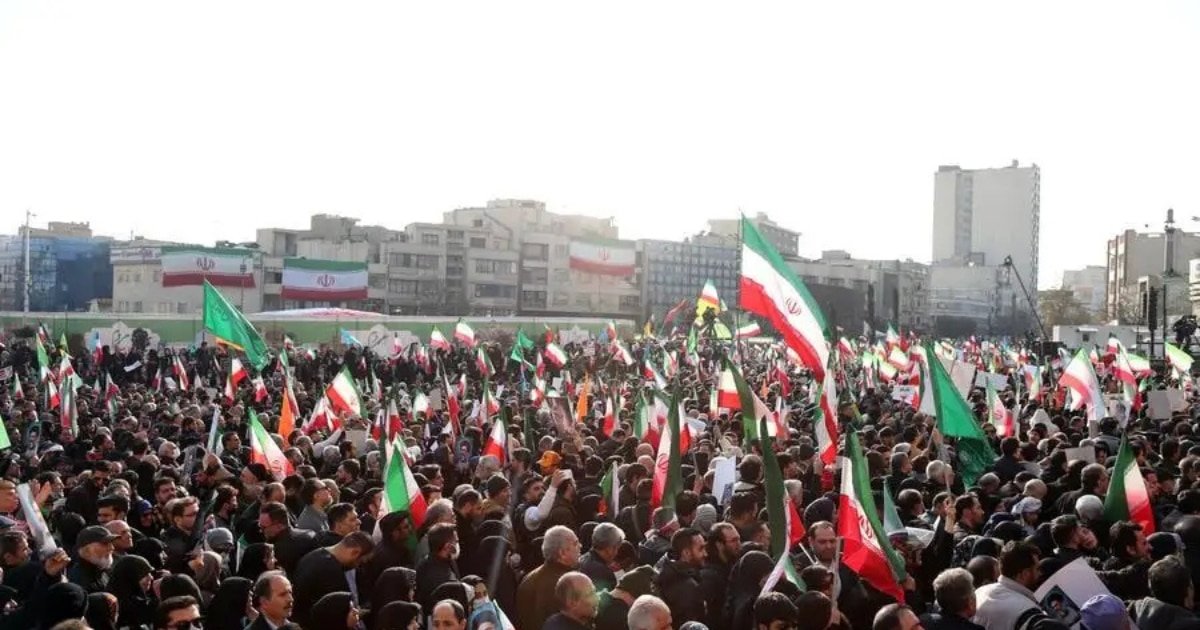


A fragile diplomatic opening has emerged in the Middle East as the United States and Iran officially confirm the start of direct dialogue. However, the prospect of a lasting “glimmer of hope” remains clouded by a massive buildup of U.S. naval power and stern warnings from Tehran regarding a potential regional conflagration.
🇮🇷 🇺🇸 A “framework” for negotiations between #Iran and the #US is being finalised over the coming days, Iran’s foreign affairs ministry spokesperson Esmaeil Baghaei said Monday as Washington continued to build up its military forces near the Islamic Republic. pic.twitter.com/9g2kVm4f6b
— FRANCE 24 English (@France24_en) February 2, 2026
A Breakthrough in Communication
Following weeks of high-stakes tension, both nations confirmed this weekend that structural arrangements for negotiations are moving forward.
- The Iranian Perspective: Ali Larijani, Secretary of Iran’s Supreme National Security Council, stated on social media that “the formation of a structure for negotiations is progressing,” signaling a shift from total isolation to cautious engagement.
- The U.S. Perspective: Speaking aboard Air Force One, President Donald Trump confirmed that Iran is “seriously talking.” While expressing a desire for a “satisfactory deal” that ensures the absence of nuclear weapons, the President remained non-committal on his final strategic decision.
Mixed Signals: The Shadow of the “Regional War”
Despite the initiated talks, the rhetoric from both capitals remains punctuated by threats of force:
- The “Hard Punch”: Supreme Leader Ayatollah Ali Khamenei emphasized that while Iran would not initiate hostilities, it would deliver a “hard punch” to any aggressor. He underscored that any U.S.-led attack would inevitably expand into a “regional war.”
- Naval Deterrence: President Trump reinforced his military posture, noting that “very big, powerful ships” are currently transiting toward the region.
- Regional Readiness: In a sign of heightened alert, Israeli Defense Minister Israel Katz met with military leadership this Sunday to assess “operational readiness for any possible scenario,” following high-level coordination with U.S. military officials.
The Negotiation Hurdle: “Dignity-Based Diplomacy”
Analysts warn that the road to a “just, fair, and equitable” agreement is fraught with historical skepticism. Iranian President Masoud Pezeshkian has defined Tehran’s stance as “dignity-based diplomacy,” rejecting any framework involving coercion or threats.
The core points of contention remain significant:
- Nuclear Constraints: Washington demands a total ban on uranium enrichment and the removal of existing material.
- Strategic Reach: The U.S. seeks limits on Iran’s long-range missile programs and a rollback of regional proxy networks.
- The Trust Deficit: Iranian officials cited a June 2025 incident where a U.S. airstrike occurred shortly after negotiations, fueling deep-seated skepticism in Tehran regarding Washington’s reliability as a partner.
You May Like To Read: Trump Signals Potential Iran Deal Amid Leader’s War Warning
The Uncertain Outlook
As the international community watches with bated breath, the situation remains a “total shift in strategic behavior” versus “sovereign defense.” While the dialogue offers a temporary sigh of relief, the absence of concrete de-escalation steps on the ground suggests that the Middle East remains at a historical crossroads between a landmark peace deal and an unprecedented regional conflict.
Check out our latest video: