




OPEC’s Legacy and Current Position
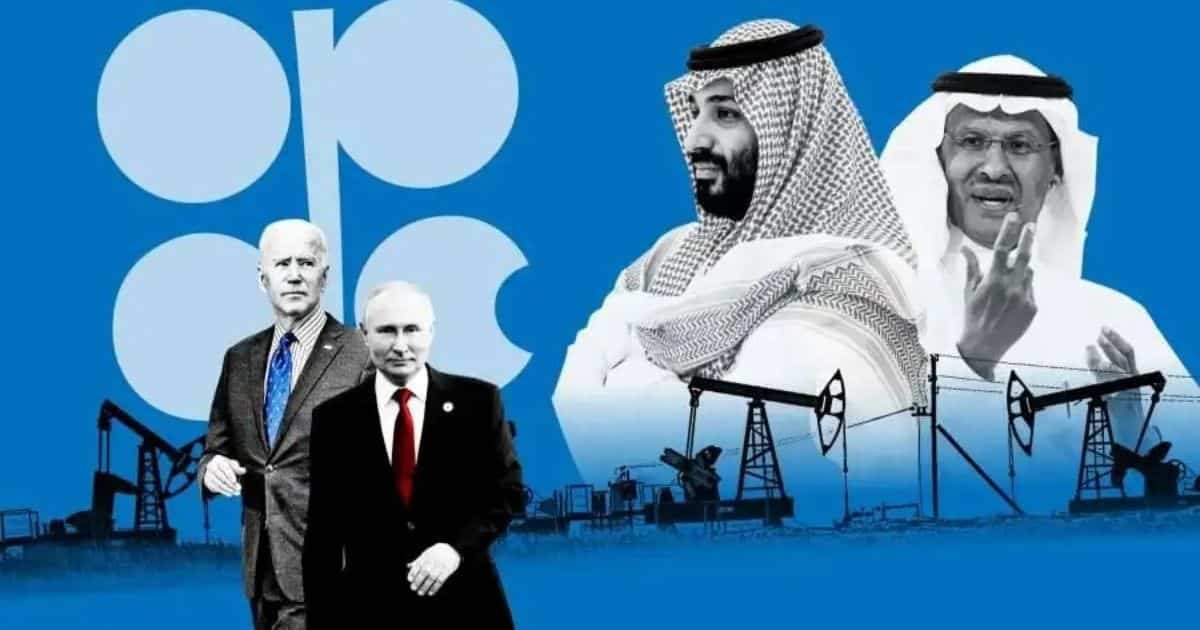
For decades OPEC and its wider coalition, OPEC+, have shaped oil markets by coordinating production and steering prices. But the energy landscape is changing fast: electric vehicles are spreading, governments pledge cleaner power, and big oil consumers are reshaping demand patterns. That combination raises a straightforward question for oil exporters: can a cartel built on controlling a finite hydrocarbon resource remain central in a world that increasingly values electrons over barrels?
1/ 🛢️ What is OPEC and OPEC+?
OPEC (Org. of the Petroleum Exporting Countries) was formed in 1960 to coordinate oil policies among major exporters.
OPEC+ = OPEC + key non-OPEC allies (like Russia), forming a broader bloc to influence global oil supply. pic.twitter.com/73gvsCWNKF
— PU Prime (@puprime) August 5, 2025
OPEC’s immediate position remains resilient. In 2025 the group continued to manage output carefully, adjusting voluntary reductions and production quotas to balance a market still vulnerable to shocks. In May 2025 OPEC announced a further, modest production adjustment as part of a gradual and flexible return of voluntary cuts, signalling that the organisation still deploys classic cartel tools, quotas, monthly monitoring and phased unwindings, to support prices and market stability.
You May Like to Read: The New Energy Map: How Geopolitics is Redrawing Global Power
Demand Outlook: Slowing but Still Significant
Several independent energy forecasters now show a more complex medium-term picture. The International Energy Agency’s recent “Oil 2025” and related reporting point to slowing demand growth and a market that could see peak oil demand timings shift depending on policy and technology. The IEA’s analysis highlights that demand growth has moderated since the post-pandemic rebound, and that electrification, fuel efficiency and changing transport patterns are materially reshaping oil use across sectors. That does not mean oil disappears overnight, but it does mean the margin for error for producers narrows.
Shifting Forecasts of Peak Oil
Complicating the narrative further, major industry forecasts have recently pushed the expected peak in liquid fuel demand later than earlier optimistic transition scenarios. BP’s 2025 Energy Outlook revised its timing for a peak in oil demand to around 2030 under its Current Trajectory, noting that slower efficiency improvements and geopolitical choices have kept oil firmly embedded in many national energy strategies. In plain terms, while renewables and electrification are growing rapidly, demand for oil is likely to remain significant for the next decade, giving OPEC and OPEC+ room to manoeuvre, but also exposing them to longer-term structural risk.
The Supply Side Challenge
At the same time, supply-side dynamics are shifting. Global supply growth projections through 2025 show non-OPEC output increasing alongside record levels of total crude production, which risks pressuring prices if demand does not keep pace. The World Bank and other bodies have warned that rising inventories and higher non-OPEC supply could weigh on commodity prices through 2025, forcing OPEC members to think beyond short-term quota management. For cartel members that rely heavily on oil revenues to fund budgets and development plans, prolonged price weakness presents a serious fiscal challenge.
Diversification as a Survival Strategy
Faced with these twin pressures, uncertain demand and rising supply, several oil exporters have adopted a familiar but necessary strategy: diversification. Saudi Arabia’s Vision 2030 and its plans to transform Aramco into a broader industrial player, plus ambitions to scale renewable capacity, show a pragmatic recognition that oil cannot be the only pillar of national income forever. Gulf producers are investing in sovereign funds, petrochemicals, clean energy projects and industrial downstream capacity to reduce vulnerability to price swings. Those moves do not end OPEC’s relevance, but they do change the calculus. Member states will increasingly view OPEC tools as one component of a broader economic toolkit.
You May Like to Read: Gulf Economies’ Diversification (Vision 2030)
The Long-Term Survival Question
So what does this mean for the cartel’s long-term survival? In the near term, OPEC retains meaningful influence because the physical reality of oil and the scale of existing infrastructure make a quick displacement implausible. But influence is not the same as immunity. If the energy transition accelerates, driven by aggressive policy, cheaper storage and faster EV adoption, the cartel risks becoming less effective at controlling prices simply because its share of the relevant market would shrink. That could force members into two choices: double down on market share through competitive pricing, which hurts revenue per barrel, or tighten cooperation and accept lower long-term volumes, both difficult political and fiscal choices.
Implications for Pakistan
For Pakistan and other oil-importing countries, the shifting dynamics offer both risks and opportunities. Short-term market management by OPEC can mean volatile import bills; but a gradual, managed decline in oil’s dominance would ultimately reduce import dependency and create space for scaled renewables and indigenous energy solutions. Policymakers in Islamabad should therefore watch OPEC decisions closely while accelerating domestic energy diversification, fuel efficiency measures and investment in renewables to hedge against future shocks.
You May Like to Read: The ‘New Energy Policy:’ The Political and Economic Challenges of Importing Russian Oil and Gas
Concluding
In short, OPEC can survive the renewable era, but not unchanged. The cartel will remain a market actor for years to come, but its influence will be tested by technological change, alternative fuels and shifting geopolitics. Survival will depend on member states’ ability to pair short-term market management with long-term economic transformation — a task that is political as much as technical.