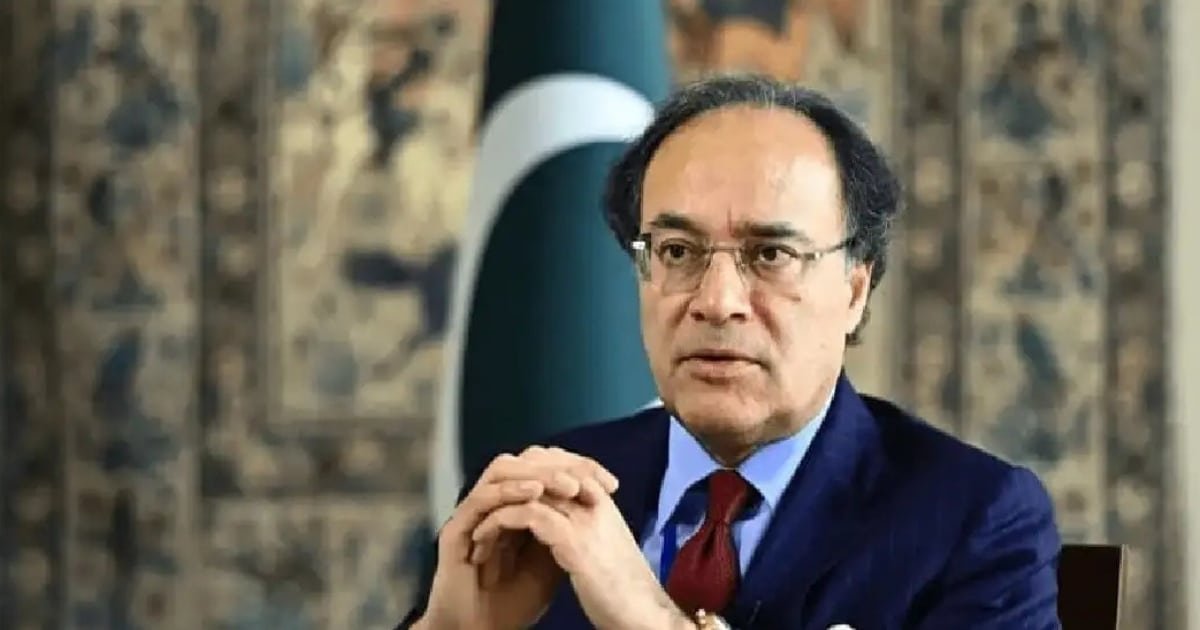




Addressing the Pakistan Policy Dialogue hosted by the Policy Research & Advisory Council (PRAC), Federal Minister for Finance and Revenue Muhammad Aurangzeb detailed a comprehensive roadmap for economic revitalization, addressing both the challenges of multinational exits and the government’s aggressive reform agenda.
Finance Minister Muhammad Aurangzeb on Wednesday acknowledged that some multinational companies have left Pakistan due to “high taxes and energy costs.”https://t.co/0qryracsMp
— Dawn.com (@dawn_com) January 14, 2026
Addressing Multinational Departures
The Finance Minister acknowledged the recent exit of several high-profile multinational corporations (MNCs)—including Procter & Gamble, Eli Lilly, Shell, Microsoft, Uber, and Yamaha. He admitted that “high taxes, energy costs, and financing costs” have been legitimate hurdles for these entities.
However, Minister Aurangzeb challenged remaining and prospective firms to evolve, stating that business models used for the last 50 years are no longer viable. Highlighting the success of Nestle and Unilever, he emphasized that “local sourcing” is the key to maintaining margins and transitioning toward an export-led strategy.
Economic Highlights and Foreign Investment
Despite the departures, the Minister shared positive indicators of investor confidence:
- New Entry: 20 new foreign investors have entered the Pakistani market in the last 18 months.
- Debt Management: The government saved approximately Rs850 billion in debt servicing over the past year.
- Capital Markets: Pakistan plans to issue “Panda Bonds” within the coming weeks to diversify its funding sources.
Structural Reforms and Privatization
In a decisive move to curb fiscal bleed, the Minister confirmed that 24 State-Owned Enterprises (SOEs) have been transferred to the Privatisation Commission. He noted that the closure of entities like the Utility Stores Corporation and PASSCO was necessitated not by staffing levels, but by the “corruption built into subsidies” that drained the national exchequer.
You May Like To Read: Global Powers Clash over Iranian Unrest as U.S. Demands Institutional Overthrow
The Path to Digitization and Trade Liberalization
The Finance Minister announced several landmark policy shifts aimed at creating Pakistan’s “East Asia moment”:
- Full Digitization: By June 2025, all government payments will transition exclusively to digital channels.
- Tariff Reform: A five-year phase-out plan for Regulatory Duty (RD), Customs Duty (CD), and Additional Customs Duty (ACDs) has been initiated to lower raw material costs for exporters.
- Crypto Regulation: The government is moving to bring billions of dollars in cryptocurrency trading volume into a formal regulatory environment.
Closing Statement
Minister Aurangzeb reiterated that the era of industrial “protectionism” is ending to make way for a more competitive, export-oriented economy. “If we are to move toward export orientation, we have to start from somewhere,” he maintained, signaling a firm commitment to professionalizing the state’s financial architecture.