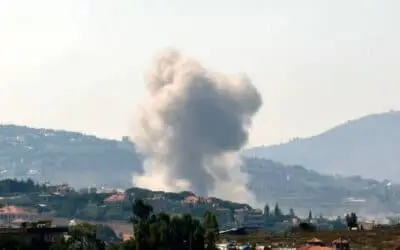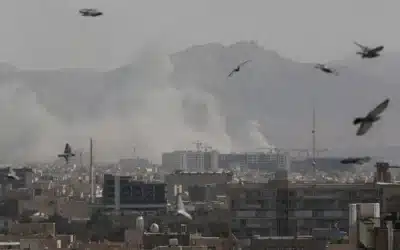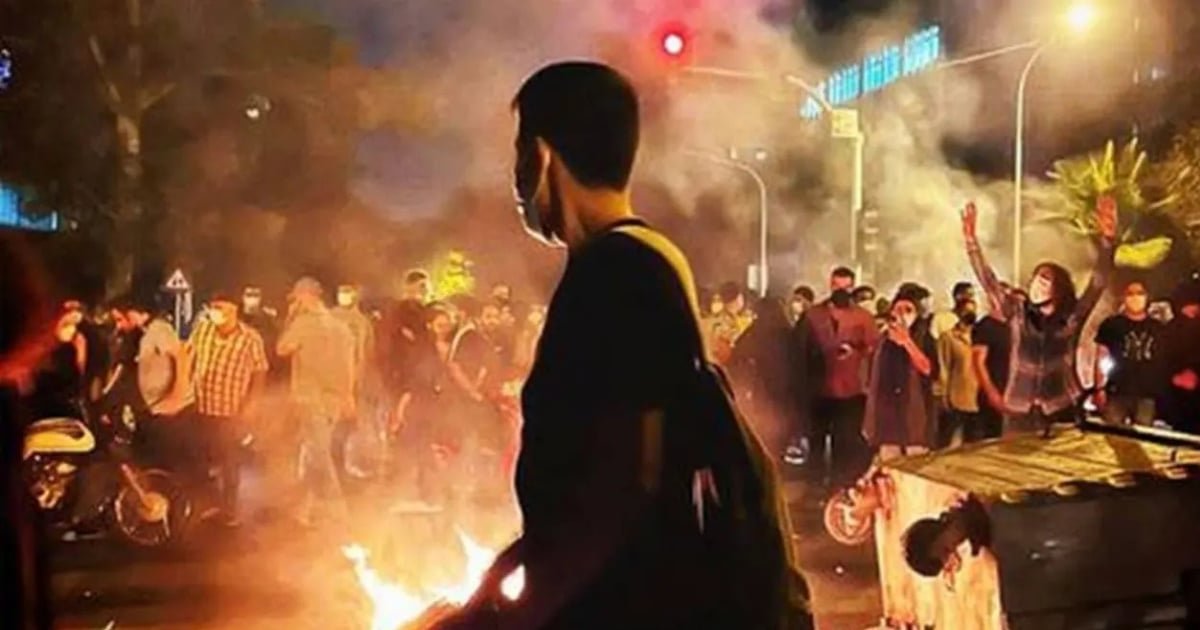



International rights monitors and local media report a significant escalation in violence across Iran as anti-government demonstrations, triggered by the rising cost of living, enter their second week. New deadly clashes between security forces and protesters over the weekend have brought the confirmed death toll to at least 12 people.
New deadly clashes between protesters and security forces erupted in Iran over the weekend, rights groups and local media said Sunday, as demonstrations first sparked by anger over the rising cost of living entered a second week.https://t.co/wg75UKSXc4 pic.twitter.com/L25d6oTbhL
— AFP News Agency (@AFP) January 4, 2026
Casualties and Geographic Spread
The unrest, which began on December 28 with a merchant strike in the Tehran bazaar, has now impacted 23 of Iran’s 31 provinces. According to data compiled by AFP and the Human Rights Activists News Agency (HRANA):
- Total Deaths: At least 12 individuals, including both protesters and security personnel.
- Recent Clashes: In Malekshahi county (Ilam province), Revolutionary Guards reportedly opened fire on demonstrators, resulting in the deaths of four members of the Kurdish minority.
- Arrests: HRANA reports at least 582 arrests over the last seven days.
- Scope: Protests have been documented in at least 40 cities, primarily concentrated in western regions with large Kurdish and Lor populations.
🇮🇷 Iran: Day 6 of nationwide anti-regime protests. Sparked by economic collapse, rial at record lows (1.4M to USD), 40%+ inflation, unrest has spread from Tehran bazaars to provinces like Lorestan & Hamadan. At least 6-7 killed in clashes as protesters chant “Death to dictator”. pic.twitter.com/293SsjVw5V
— Indo Affairs (@indoaffair) January 2, 2026
Political and Economic Context
The current movement represents the most serious challenge to the authority of Supreme Leader Ayatollah Ali Khamenei (86) since the 2022-2023 “Woman, Life, Freedom” protests. The demonstrations follow a period of intense regional friction, including a 12-day conflict with Israel in June that targeted Iran’s nuclear infrastructure and security elite. While the scale has not yet reached that of the 2009 or 2022 movements, the geographic spread into small and medium-sized cities indicates widespread economic frustration.
You May Like To Read: Trump Reveals Imagery of Maduro in U.S. Custody; Pentagon Declassifies “Operation Absolute Resolve” Tactics
International Reactions and Warnings
The international community has expressed growing alarm over the state response:
- United Nations: Special Rapporteur Mai Sato warned against a repeat of the violent crackdowns seen in previous years, noting a “growing confrontation” between the state and its citizens.
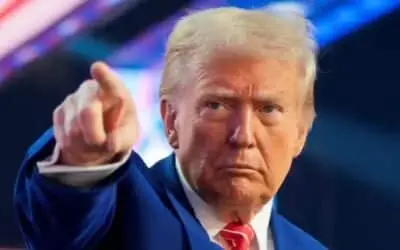
- United States: President Donald Trump stated the U.S. is “locked and loaded” to respond to the killing of protesters, remarks which Iranian Foreign Minister Abbas Araghchi dismissed as “reckless.”
- Israel: Prime Minister Benjamin Netanyahu expressed solidarity with the “struggle of the Iranian people.”
Current Situation on the Ground
In Tehran, while shops remain largely open, a heavy security presence is maintained at major intersections. Sporadic night-time demonstrations continue, with protesters using tactical roadblocks to disrupt security movements. While Iranian officials have publicly acknowledged economic grievances, they have simultaneously warned that “chaos and destabilization” will be met with force.
Check out our latest video: