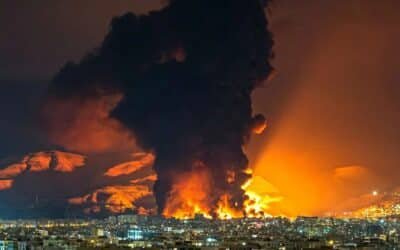





As the US-Israel-Iran conflict enters its second month, the war has crossed a critical strategic threshold. What began as a targeted air campaign, Operation Epic Fury, has evolved into a sprawling regional conflagration. Despite 30 days of intensive bombardment, Iran’s “mosaic” defense remains operationally coherent, while domestic instability in allied Gulf states like Bahrain threatens to erode the coalition’s rear-guard security.
The shift in targeting toward Iran’s broader “scientific and industrial base” suggests a new phase aimed at the long-term “de-development” of the Islamic Republic.
Target Shift: From Military to “De-Development”
Over the last 24 hours, the US-Israeli alliance has significantly expanded its target set inside Iran:
-
Infrastructure Hits: Strikes have been confirmed on residential blocks in Tehran, academic institutions, and a critical water filtration plant in Khuzestan.
-
Strategic Assets: Continued pressure remains on the Bushehr nuclear complex and aerospace facilities.
-
The Narrative: Tehran is framing these strikes not as tactical military necessity, but as a deliberate attempt to degrade Iran’s economic and scientific future for decades to come.
Iranian Resilience: The “Mosaic” Holds
Despite the technological superiority of the coalition, Iran has demonstrated a functioning and adaptive command structure:
-
The Reaper Downed: Iranian air defenses successfully shot down a US MQ-9 Reaper drone within the last 24 hours, proving their electronic warfare capabilities remain intact.
-
Counter-Strikes: Retaliatory missile and drone strikes targeted Israeli radar installations in Haifa and fuel-depots near Ben Gurion Airport, signaling that Iran can still bypass advanced interception layers.
Iranian Army Downs Another US MQ-9 Drone Over Strait of Hormuz
Iran’s air defense forces successfully shot down another US MQ-9 drone early Sunday in the eastern section of the Strait of Hormuz, bringing the total number of enemy drones intercepted by defense network to 138. pic.twitter.com/t2y961d8Kc
— Tasnim News Agency (@Tasnimnews_EN) March 29, 2026
The Multi-Front Proxy Synchronization
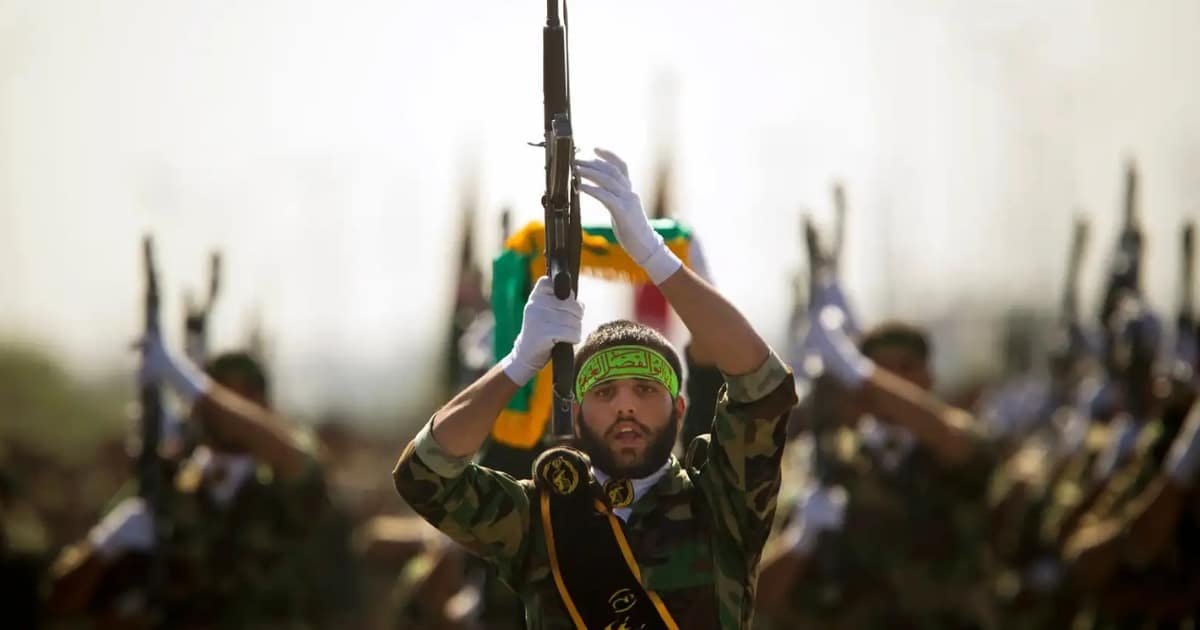
The conflict is no longer confined to Iranian soil, as proxies escalate their involvement across the “Axis of Resistance”:
-
Northern Front: Hezbollah continues to bog down Israeli ground forces along the Lebanese border, preventing any stabilization of the front.
-
The Red Sea & Beyond: Yemen’s Houthis have stepped up long-range strikes toward Israel, while Iraqi militias maintain pressure on US assets in Erbil.
-
Economic Sabotage: Drone attacks have begun affecting key economic nodes in the UAE, including major aluminum production infrastructure, while Iran claims successful strikes on US logistics in Kuwait and Oman.
Bahrain: The New Domestic Crisis
A volatile new dimension has emerged in Bahrain, where the death of a detainee associated with anti-war protests has sparked massive, cross-sectarian demonstrations.
-
Unified Dissent: The unrest highlights the domestic vulnerabilities of Gulf states aligned with Washington.
-
Coalition Complications: If sustained, the instability in Manama could compromise US naval basing rights and regional coordination just as Washington prepares for potential ground operations.
Rights groups in Bahrain say a 32-year-old man, arrested for opposing the war on Iran, was killed in police custody. Bahraini authorities dispute the account, but activists say the incident is part of a widening crackdown on opposition to the war. pic.twitter.com/NYNmENGZUT
— Al Jazeera English (@AJEnglish) March 28, 2026
The Diplomatic Deadlock
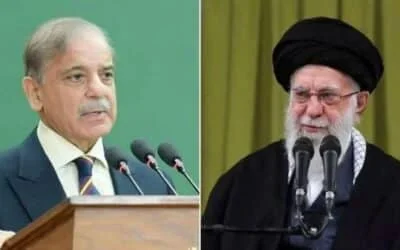
Despite the high-stakes Quadrilateral Summit in Islamabad, a credible political off-ramp remains elusive.
-
Mixed Signals: Washington continues to oscillate between signaling an “openness to talks” and preparing for a broader ground-centric campaign.
-
The Trust Deficit: Tehran has reiterated to international interlocutors—including mediators in Pakistan—that it possesses “zero trust” in US proposals, viewing the 15-point plan as a demand for total surrender.
You May Like To Read:Global Trade Under Siege: Chokepoints and the Making of the 2026 Recession
Check out our latest video: