




The International Monetary Fund (IMF) has shared the Memorandum of Economic and Financial Policies (MEFP) with Pakistan, a crucial step toward unlocking $8.4 billion in funding. This includes the fourth tranche of the $7 billion Extended Fund Facility and $1.4 billion from the Resilience and Sustainability Facility. The IMF has set a rigorous tax collection target of Rs 15.08 trillion for the 2026–27 fiscal year and is pushing for “faster than weekly” petroleum price adjustments to mirror global market volatility.
#IMF ‘shares’ MEFP with #Pakistan for $1.2 bln tranche unlock
Read More: https://t.co/expo6LnBfQ#ARYNews pic.twitter.com/DToblG7Q7q
— ARY NEWS (@ARYNEWSOFFICIAL) March 26, 2026
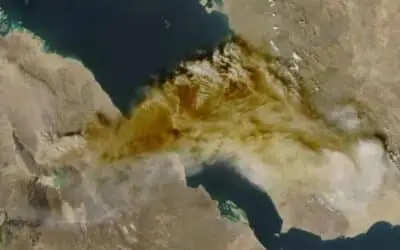
This financial pressure coincides with a dire warning from the Pakistan Institute of Development Economics (PIDE). The ongoing Middle East conflict has evolved into a global economic shock, with 81.6% of Pakistan’s energy imports traditionally transiting through the now-disrupted Strait of Hormuz. PIDE estimates that rising oil prices could add $4.5 billion to the national import bill, potentially pushing inflation back into double digits. While direct exports to Gulf states are projected to drop by $2 billion, Pakistan’s ports have seen a 1,400% surge in transshipment as global trade reroutes to avoid the conflict zone. To survive this structural vulnerability, experts urge diversifying energy routes through Saudi Arabia’s Yanbu port and leveraging CPEC 2.0 to stabilize the current account deficit.
You May Like To Read: Pakistan and China Strengthen Security Ties with New Protection Unit
Check out our latest video: