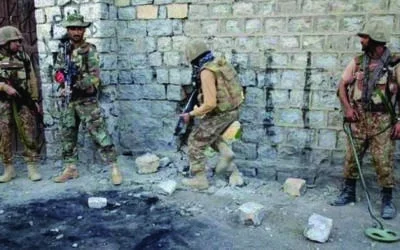




Under the new rule of Afghan Taliban in August 2021, Afghanistan has emerged as a haven to extremist groups such as Fitna Al-Khawarij (FAK). It has taken advantage of the porous boundary and the unwillingness of the Afghan Taliban to do anything about it, and has struck a series of fatal cross border assaults on the Pakistani security forces. Islamabad has expressed its reservation with Kabul in regard to the use of Afghan territory by FAK to carry out terror attacks on Pakistan. Military sources confirmed that more than 80 FAK fighters were eliminated during the border operations in April and July 2025, which emphasizes that the threat originated in Afghanistan sanctuaries remains a constant problem.

Operational freedom of the group in Afghanistan in the country report on terrorism 2023 produced by the U.S. State Department, states that the group destabilized the northwest of Pakistan. Consequently, the instability in Afghanistan, especially the unjudged actions of FAK has become the key factor affecting the bilateral dealings of Pakistan with U.S., China, Iran, and Central Asian republics—completely changing the aspect of regional relationships and security collaboration between nations.
Safe Havens in Afghanistan: An Unrelenting Threat
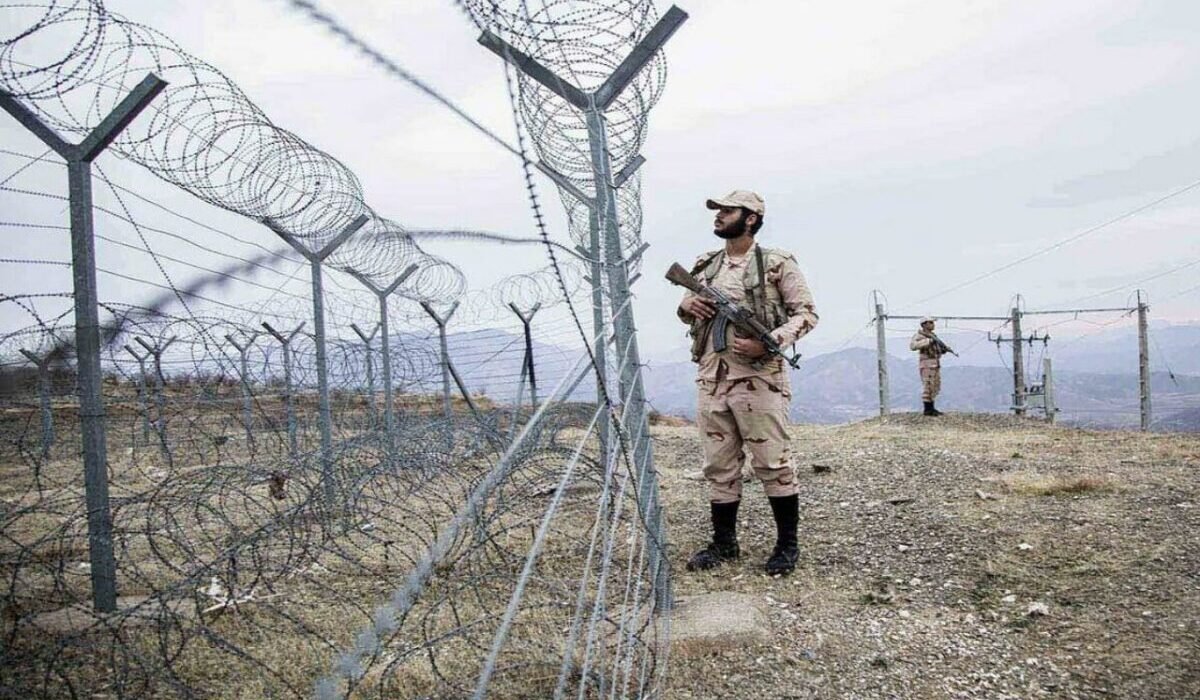
The existence of Fitna al-Khawarij (FAK) in Afghanistan poses a problem of strategy to Pakistan since it threatens the internal stability and offers problematic relations with Kabul. FAK has reorganized since the Taliban coup and set up bases of operation in territories in Afghanistan like Kunar, Nangarhar, and Paktika and uses them to launch cross border attacks in Pakistan in Khyber Pakhtunkhwa and Balochistan. In North Waziristan, FAK militants attacked the security forces, to infiltrate into Khyber Pakhtunkhwa through the Pakistan-Afghanistan border. These attempts were thwarted. The point here is that these infiltrative efforts are traceable back to safe havens across the border.
The Afghan Taliban leadership has still not shown decisiveness against FAK despite successive diplomatic endeavors and pledges. The Foreign Minister in a senate meeting of Pakistan said that groups such as FAK, which use the Afghan soil with impunity, must not be tolerated, doing so will have regional ramifications. FAK maintains a vigorous operational service in eastern Afghanistan, aided by the absence of steady counterterrorism actions by the Afghan government.
Strained Pak-Afghan Relations
The continued infiltrative efforts of the FAK, and inability of Afghanistan to curb their cross border activities has jeopardized the Pakistan-Afghanistan relations. Even after numerous rounds of bilateral talks with high-level engagements as well as regular intelligence-coordination level meetings the Taliban of Afghanistan do not seem keen on doing anything substantial against the FAK in their internal policy of non-combat against other fellow Islamists. This inactive approach has angered Pakistan that has been bearing adverse security and political aftermaths as a result of FAK’s terrorist activities.
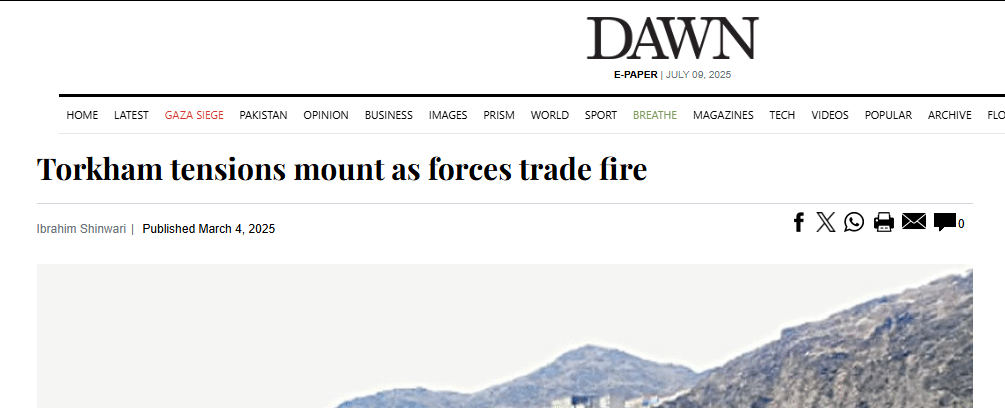
The eruption of tensions at the border crossings such as Torkham and Chaman has led to regular tussles and border sealing affecting trade and movement of the civilians. In March 2024, Pakistan temporarily closed the Torkham crossing after a deadly cross-border skirmish with FAK.
The leadership of Pakistan has already said strategic patience has worn out, and it is time to initiate mass deportation to drive undocumented Afghan nationals out of the country, due to infiltration of FAK in the guise of refugees. Although the steps were taken in national security interests, nevertheless, they exacerbated the mistrust between the two neighbors.
Pakistan–U.S. Engagement
The revival of FAK in Afghanistan has reoriented the Pakistan-U.S. bilateral counterterrorism approach but with a different priority. Washington is still worried about the bigger terrorism ecosystem in Afghanistan. The U.S. State Department mentioned in the 2023 Country Reports on Terrorism that; FAK was still attacking Pakistani security services, and had safe-havens in Afghanistan.
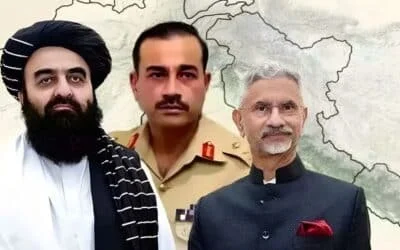
In the case of Pakistan, however, the danger is present and real. For the U. S., the security threats are posed by over-the-horizon capabilities, but Pakistani people suffer due to the cross-border insurgency by FAK. Islamabad has made many calls to the U.S to use its leverage over the Taliban and make it act against the sanctuaries of FAK. During a meeting held in 2024 between the COAS of Pakistan Field Marshall Asim Munir and U.S. Secretary of State Antony Blinken, the two parties were talking about the cooperation in the field of intelligence and the necessity to apply pressure onto Kabul synchronously.
Impacts of Afghan Instability
Unabated operations of FAK in Afghanistan have provoked greater worry in the region compelling Pakistan to redefine its relations not only with the U.S., but also with adjacent neighbors as well as other strategic partners.
China, a key economic partner of Pakistan, is increasingly concerned about the spread of extremism from Afghanistan into its Xinjiang region. This concern is particularly focused on the East Turkestan Islamic Movement (ETIM), which China views as a terrorist group threatening its national security and stability in Xinjiang.
Beijing fears that a volatile Afghanistan could provide a safe haven and training ground for ETIM militants, potentially leading to increased cross-border attacks and instability within Xinjiang, a region with a significant Uyghur Muslim population. This concern significantly influences China’s engagement with Afghanistan and its expectations from neighboring countries like Pakistan, urging them to prevent any spillover of extremism that could impact Chinese territory. In the 5th China-Afghanistan-Pakistan Trilateral Dialogue in 2023, China and Pakistan reaffirmed the need to ensure terrorist groups are not using Afghan soil.
Iran which has a long and porous border with both Afghanistan and Pakistan have also raised concerns on the issue of infiltration of extremists. The recent clashes along the border in Balochistan compelled both nations to take joint border security measures. The main concern of Tehran is that the instability can leak into its Sistan-Balochistan province.
Central Asian countries like Uzbekistan and Tajikistan are worried Afghanistan might become a base for transnational jihadism. To counter this, they’ve discreetly boosted security cooperation with Pakistan, including intelligence sharing and collaboration within groups like the Shanghai Cooperation Organization (SCO). FAK’s sympathy for global jihadist narratives means it is now a multilateral threat, not just a bilateral one
Meanwhile, Afghanistan instability is being leveraged by India, in its narrative war against Pakistan. India accuses Pakistan of earlier failed policies in Afghanistan, claiming FAK’s rise is a direct consequence. While India’s primary goal is to politically isolate Pakistan, the emergence of FAK has ironically undermined this. It has, in a way, validated Islamabad’s warnings about potential instability in Afghanistan after 2021.
The Way Ahead
Pakistan must adopt a comprehensive regional security strategy to counter threats from FAK and the destabilizing effects spilling over from Afghanistan. This strategy should involve:
- Enhanced Intelligence Sharing: Pakistan needs to improve intelligence sharing, especially for tracking cross-border militants and detecting drones.
- Stronger Border Management: Pakistan must upgrade its border infrastructure, including more fences, biometric surveillance, and the rapid deployment of forces to sensitive areas.
- Demanding Accountability from Afghan Taliban: Engagement with the Afghan Taliban needs to be firm and based on clear demands. Pakistan should insist on measurable commitments from the Taliban to denounce and act against FAK leaders hiding in Afghanistan.
- Increased Diplomatic Coordination: Pakistan needs to boost diplomatic coordination with Iran and the Central Asian Republics (CARs) within the Shanghai Cooperation Organization (SCO). The goal is to develop a united approach to preventing border incursions and combating extremism.
Ultimately, Afghanistan’s internal instability is no longer just a bilateral concern between Pakistan and Afghanistan; it has become a serious regional security issue that requires a collective response.