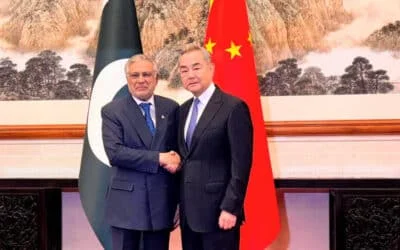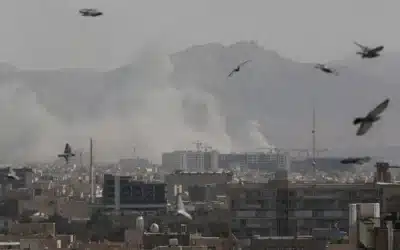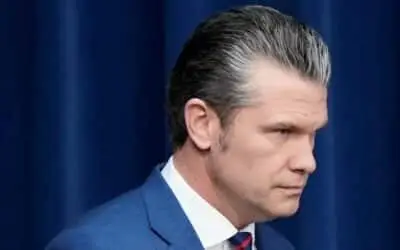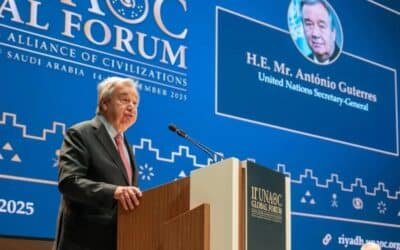


ISLAMABAD | WASHINGTON — As the catastrophic war between the US-Israel coalition and Iran enters its fourth week, the focus of the conflict is shifting from the battlefield to the diplomatic theater. International reports, led by the Financial Times and Axios, suggest that Pakistan is aggressively positioning itself as the primary mediator, leveraging a unique “triangular” relationship with Washington, Tehran, and Riyadh to broker a historic truce.
The diplomatic flurry reached a crescendo this week with reports of direct communication between Pakistan’s military leadership and the White House, alongside high-level back-channeling involving the Iranian presidency.
Pakistan is making a push to mediate talks to end the US-Israeli war against Iran, with its powerful army chief holding calls with Trump to find a resolution to the fighting, people familiar with the matter said https://t.co/xLr5r7OzNC
— Bloomberg (@business) March 24, 2026
A Direct Line to the White House
At the heart of the mediation effort is Field Marshal Syed Asim Munir, Pakistan’s Army Chief and Chief of Defence Forces (CDF).
-
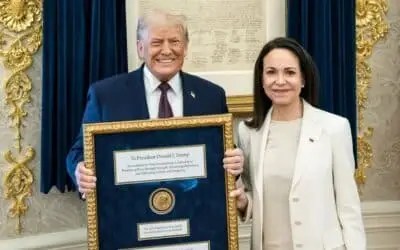
The Sunday Call: Sources briefed on the matter confirm that Field Marshal Munir held a direct phone conversation with President Donald Trump on Sunday. Trump has previously expressed personal regard for the Field Marshal, noting that Munir “knows Iran better than most.”
-
Established Rapport: This contact builds on two face-to-face meetings between Munir and Trump in 2024, providing a level of personal trust that few other regional leaders currently command with the American president.
-
The “Kushner-Witkoff” Channel: Senior Pakistani officials are reportedly facilitating communications between Tehran and Trump’s inner circle, specifically Special Envoy Steve Witkoff and Jared Kushner.
The “Islamabad Summit” Proposal
Pakistan has moved beyond abstract offers of help, reportedly putting forward Islamabad as the host for a high-stakes peace summit.
-
Vance and Ghalibaf: Diplomatic circles are buzzing with the possibility of a meeting in Pakistan later this week. Potential attendees include US Vice President JD Vance and Iranian Parliament Speaker Mohammad Bagher Ghalibaf.
-
Regional Obstacles: While a US delegation is expected in Pakistan within the next 48 hours, Anadolu Agency reports that Tehran remains hesitant due to deep-seated mistrust following the assassination of Ali Khamenei. However, Iranian Foreign Ministry spokesperson Esmaeil Baqaei confirmed receiving messages regarding a “US request for negotiations.”
The “Saudi Factor” and Regional Synergy
Analysts, including Washington-based scholar Vali Nasr, argue that Pakistan’s initiative is not a solo venture but carries the “tacit backing and prodding” of Saudi Arabia.
-
Mutual Defense Pact: Pakistan and Saudi Arabia recently cemented a mutual defense pact, stating that aggression against one is considered aggression against both.
-
The Riyadh Connection: PM Shehbaz Sharif and Field Marshal Munir’s recent visit to Crown Prince Mohammed bin Salman is seen as the prerequisite for this mediation role.
-
The Trilateral Conduit: Pakistan is working alongside Türkiye and Egypt to relay messages. While Türkiye and Pakistan share immediate borders and refugee concerns with Iran, Egypt provides a critical line of communication directly to the Israeli leadership.
Why Pakistan? The Intermediary Advantage
Pakistan occupies a rare geopolitical niche that makes it a viable off-ramp for the escalating violence:
-
Diplomatic Interests: Pakistan formally represents Iran’s diplomatic interests in the United States, a role that provides a legal and functional framework for message-passing.
-
Geographic Vulnerability: For Islamabad, de-escalation is a matter of national survival. Any spillover from a total collapse of the Iranian state would trigger an unmanageable refugee and security crisis on Pakistan’s western border.
-
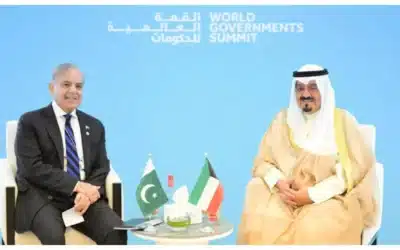
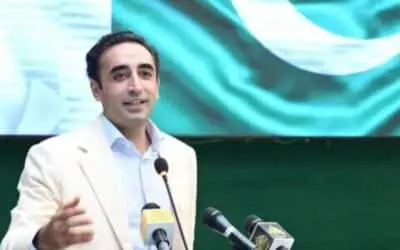
Civil-Military Unity: The synchronized efforts of PM Shehbaz Sharif (who spoke with President Pezeshkian on Monday) and Field Marshal Munir demonstrate a unified national strategy to “advance peace through dialogue.”
A Fragile Reprieve: Trump’s 5-Day Pause
The effectiveness of these back-channels was underscored on Monday when President Trump ordered a five-day pause on strikes against Iranian energy infrastructure, citing “very good and productive” talks.
-
Market Reaction: Global oil markets responded immediately, with Brent crude dropping to $104.
-
The Goal: The pause is intended to provide the “diplomatic space” needed for the proposed Islamabad summit to materialize.