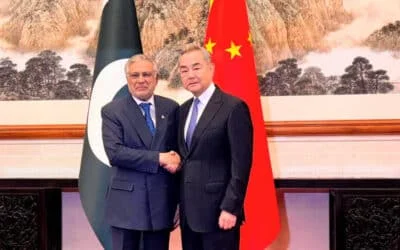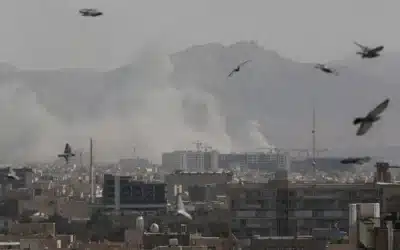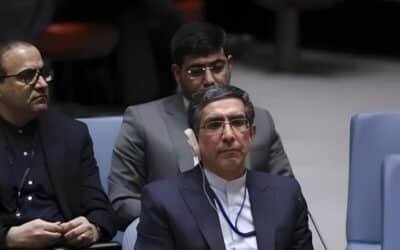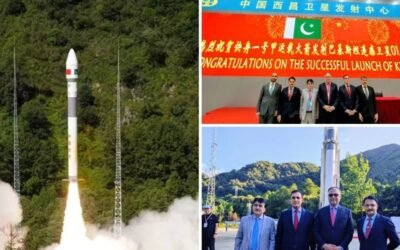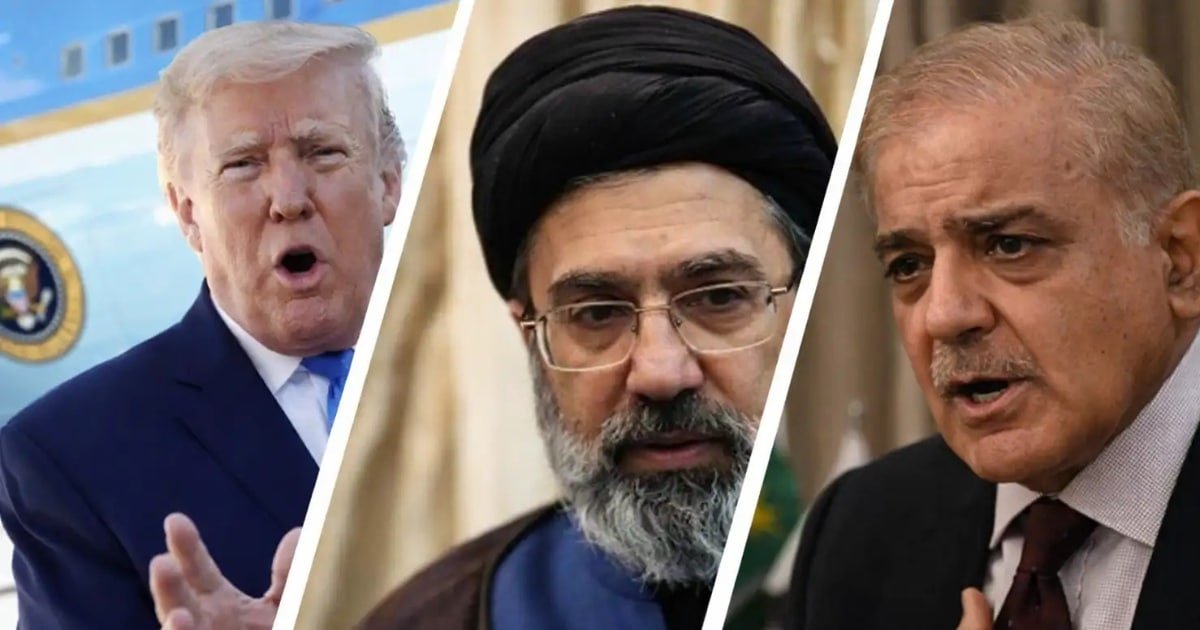


The Pakistani capital is currently positioned at the heart of an extraordinary diplomatic maneuver that could decide the fate of global energy markets and regional security. As the Ministry of Foreign Affairs confirms Islamabad’s readiness to host direct talks between the United States and Iran, the world is watching a rare alignment of back-channel efforts. Amid a conflict that has already led to the most significant energy disruption in modern history, Pakistan has emerged not just as a neutral observer, but as the primary facilitator for a potential “off-ramp” in the US-Israel-Iran war.
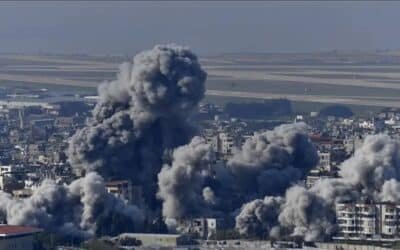
The stakes could not be higher. Following the devastating strikes on February 28, 2026, which targeted senior Iranian leadership and triggered the effective closure of the Strait of Hormuz, global oil and gas prices have surged to unprecedented levels. President Donald Trump has recently claimed that “major points of agreement” have been reached, even as Tehran officially denies direct engagement. However, the movement of high-level messengers between Washington, Tehran, and Islamabad suggests that a substantive breakthrough is being meticulously crafted behind closed doors.
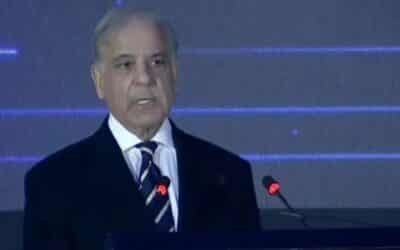
Pakistan welcomes and fully supports ongoing efforts to pursue dialogue to end the WAR in Middle East, in the interest of peace and stability in region and beyond. Subject to concurrence by the US and Iran, Pakistan stands ready and honoured to be the host to facilitate…
— Shehbaz Sharif (@CMShehbaz) March 24, 2026
The Architect of the “Islamabad Format”
A pivotal figure in this diplomatic surge is Pakistan’s Chief of Defence Forces and Army Chief, Field Marshal Asim Munir. His role in this crisis underscores the unique hybrid nature of Pakistani diplomacy, where military stature often provides the necessary weight for high-stakes international mediation. Reports confirm that Field Marshal Munir held a critical telephonic conversation with President Trump this past Sunday, a follow-up to their unprecedented White House meeting in June 2025.
Field Marshal Asim Munir spoke with US President Donald Trump on Sunday, Financial Times reports. Islamabad is positioning itself as a mediator to end tensions with Iran.
Senior Pakistani officials facilitated behind-the-scenes contacts between Tehran and Washington, arranging… pic.twitter.com/3CMUETSQ8M
— SAMAA TV (@SAMAATV) March 24, 2026
During that 2025 encounter, Trump famously remarked that Pakistan “knows Iran better than most,” a sentiment that has now been put to the ultimate test. Islamabad’s dual-track engagement—maintaining a strategic defense pact with Saudi Arabia while simultaneously holding open lines to the Iranian military establishment—has allowed him to act as a bridge that few other global leaders can provide. This diplomacy is being viewed by analysts as the primary reason why US Special Envoy Steve Witkoff and Iranian Foreign Minister Abbas Araghchi are considering Islamabad as the venue for what could be the most consequential peace summit of the decade.
Analysis: Pakistan’s Strategic Ascent and Diplomatic Mastery
Pakistan’s ability to mediate this crisis is not a product of chance but the culmination of a sophisticated, multi-aligned foreign policy that has matured significantly over the last year. By positioning itself as the “indispensable intermediary,” Islamabad has achieved several landmark diplomatic milestones that have shifted its global standing from a regional player to a central pillar of international stability.
-
The Nuclear Neutrality Factor: As the only Muslim-majority nuclear power that does not host US military bases, Pakistan possesses a unique form of “strategic autonomy.” This allows it to offer Tehran a sense of security and Washington a credible partner with actual skin in the game.
-
A Multi-Dimensional Bridge: Pakistan’s geography and demographics—sharing a 900km border with Iran and hosting the world’s second-largest Shia population—provide it with cultural and religious leverage that Western or even Arab mediators lack. The recent “special feeling” expressed by Iran’s Supreme Leader Mojtaba Khamenei toward the Pakistani people is a testament to this deep-rooted soft power.
-
The SIFC and Economic Diplomacy: Under the leadership of Prime Minister Shehbaz Sharif and the strategic oversight of the Special Investment Facilitation Council (SIFC), Pakistan has successfully linked its security interests with global economic stability. By proposing a “monitored framework” for Iranian nuclear activities, Pakistan has moved beyond simple message-carrying to offering technical, policy-driven solutions.
-
Global Significance of Success: Should the Islamabad talks lead to a comprehensive settlement, it would mark the greatest achievement in Pakistani diplomatic history. Successfully brokering peace in a conflict that has paralyzed 20% of the world’s oil supply would solidify Pakistan’s role as a “Middle Power” capable of resolving crises that have historically confounded the G7.
Toward a Comprehensive Settlement
The Islamabad Format represents more than just a meeting; it is a test of whether “quiet communication” can overcome “gunboat diplomacy.” While the White House remains tight-lipped and the Iranian Foreign Ministry maintains its “principled positions,” the five-day pause in strikes announced by Trump offers a narrow but vital window for peace.
The involvement of Egypt and Turkiye alongside Pakistan demonstrates a burgeoning “bloc of stability” within the Islamic world. However, it is Islamabad that has been tapped as the likely host, signaling a global recognition of Pakistan’s renewed strategic depth. If Prime Minister Shehbaz Sharif and Field Marshal Asim Munir can successfully navigate the conflicting demands of reparations, sanctions relief, and regional security, Islamabad will not just be hosting a talk—it will be hosting the birth of a new regional order.
You May Like To Read: West Bank Violence Escalates Following Settler “Revenge Campaign
Check out our latest video: