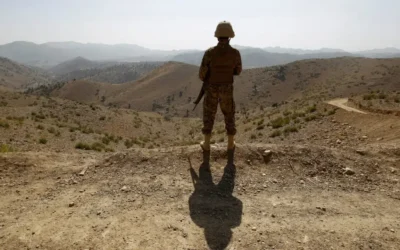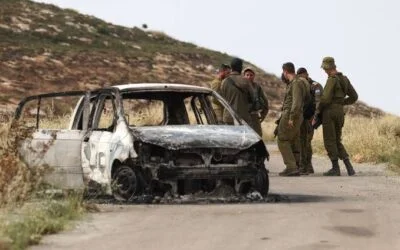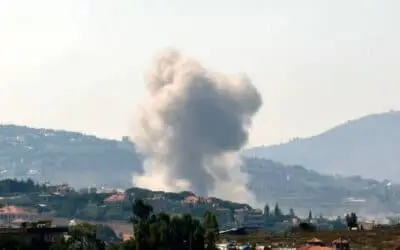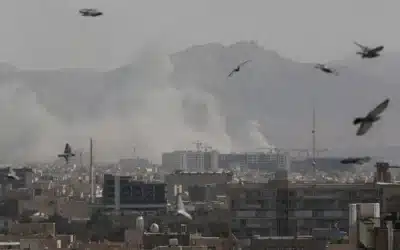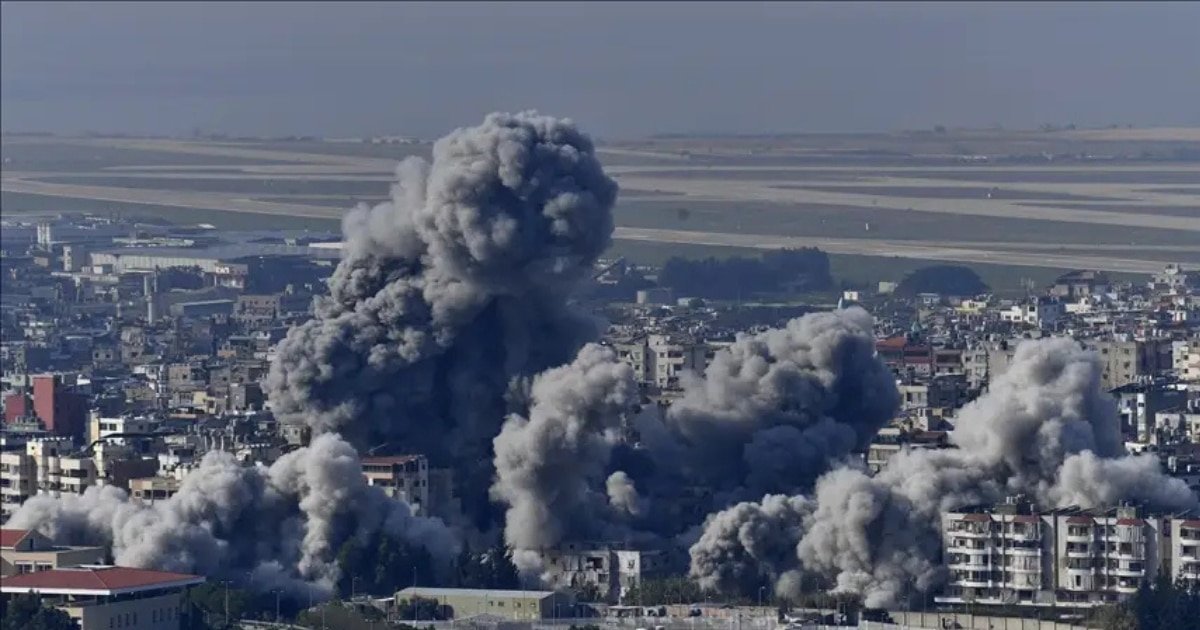
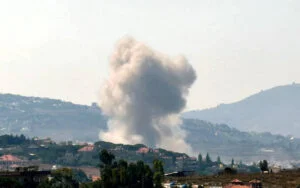



Israeli military aircraft launched a series of raids on Saturday targeting the Blat and Wadi Barghouti areas in Lebanon’s Iqlim al-Tuffah region. These strikes mark the latest in a string of violations of the November 2024 ceasefire agreement between Israel and the Lebanese armed group Hezbollah. While the Israeli military maintains it is targeting “Hezbollah infrastructure,” local reports indicate that the raids struck open forests and hills, with “quadcopter” drones also dropping explosive devices in the town of Markaba.
BREAKING: Israeli air strikes have targeted Blat and Wadi Barghouti in several attacks across southern Lebanon’s Iqlim al-Tuffah region, marking the latest violation of a ceasefire reached in November 2024 between Israel and Hezbollah https://t.co/SHd7jwszdg pic.twitter.com/9goQPXfUk2
— Al Jazeera English (@AJEnglish) February 28, 2026
The humanitarian toll of the post-ceasefire period continues to mount. According to United Nations data, more than 300 people have been killed since the truce was signed, including 127 civilians. Recent casualties include a 16-year-old Syrian teenager killed in the Bekaa Valley and at least 12 people killed in strikes hitting a Palestinian refugee camp near Sidon. These persistent attacks have hindered the return of displaced residents and stalled the reconstruction of border villages currently occupied by Israeli forces.
Diplomatic friction remains high as the Lebanese government works to fulfill its commitment to disarm Hezbollah south of the Litani River. While Beirut claims it is entering the final phases of this security transition, Hezbollah has rejected total disarmament. The group asserts that the agreement is geographically limited and maintains that it will not surrender its arsenal while Israeli forces continue to occupy Lebanese territory and conduct near-daily aerial assaults.
You May Like To Read: “Major Combat Operations” Underway as U.S. and Israel Launch Pre-emptive Strikes on Iran
The continued overflights and strikes threaten the fragile stability established in late 2024. With both sides locked in a cycle of “tit-for-tat” claims regarding infrastructure and sovereignty, the international community faces growing pressure to enforce the terms of the November agreement before the “quiet war” returns to a full-scale regional conflagration.
Check out our latest video: