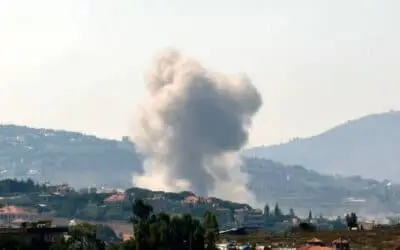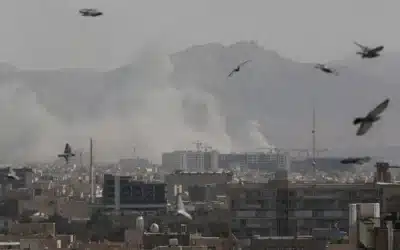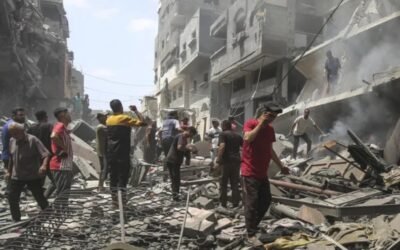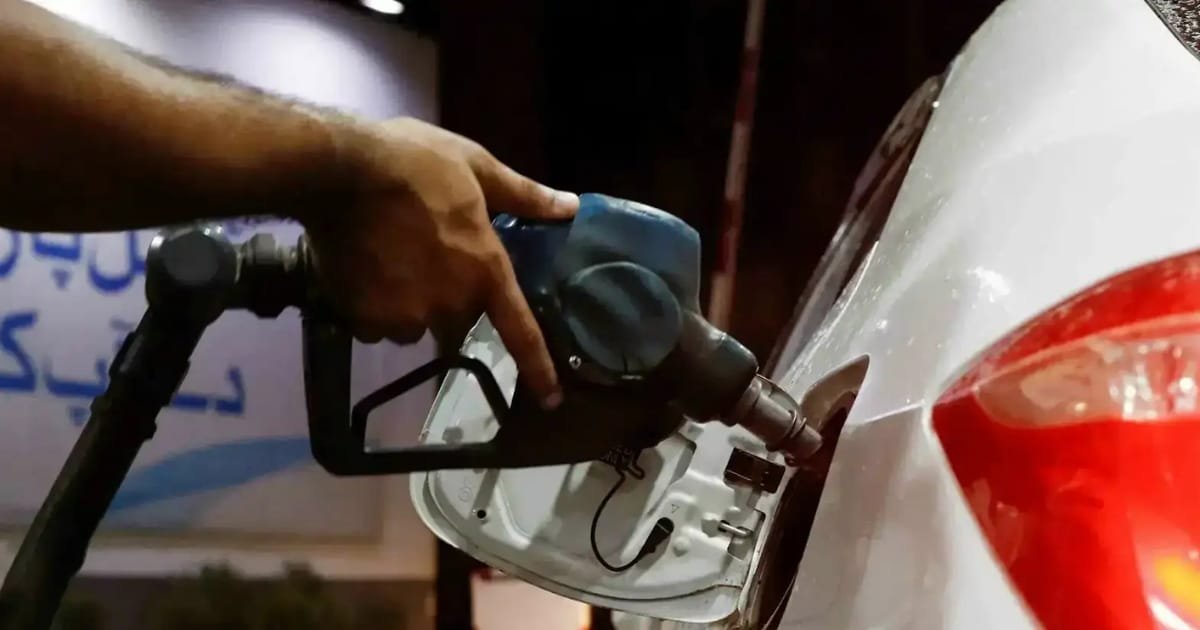


Petrol prices in Pakistan have shot up by a massive Rs137 to Rs458 per litre, while diesel jumped Rs184 to Rs520 per litre — the biggest hike in years. The government announced these steep increases on Thursday night as global oil prices go crazy due to the US-Israel war on Iran.
Petroleum Minister Ali Pervaiz Malik, speaking alongside Finance Minister Muhammad Aurangzeb in a late-night national broadcast, called it a “difficult but responsible” decision taken after consulting the president, prime minister, military leadership, and all provincial chief ministers.
Finance Minister, US Chargé d’Affaires Discuss Bilateral Economic Cooperation
Federal Minister for Finance and Revenue, Senator Muhammad Aurangzeb, held a meeting with the United States Chargé d’Affaires to Pakistan, Ms. Natalie Baker, who called on the Minister at the Finance… pic.twitter.com/fd7E8cFLgY
— Ministry of Finance, Government of Pakistan (@Financegovpk) April 2, 2026
To ease the pain for ordinary people, the government rolled out some targeted relief:
- Bikers will get Rs100 per litre subsidy on petrol, but capped at 20 litres per month for three months.
- Small farmers will receive Rs1,500 per acre as one-time support.
- Diesel users in inter-city transport and goods carriers will also get Rs100 per litre subsidy.
- Trucks carrying food items will get Rs70,000 monthly help, while bigger transport vehicles and public buses will receive Rs80,000 to Rs100,000 per month.
They’ve also increased the petroleum levy on petrol but cut it to zero on diesel to keep transport costs from going completely out of control. Kerosene is up by Rs34 to Rs458 per litre too.
As part of energy saving, markets will now close earlier to cut down 1,200MW of electricity demand.
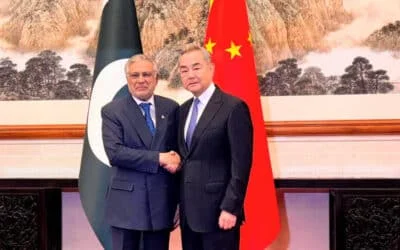
The ministers explained that blanket subsidies are no longer possible because oil prices have gone wild — crude is up 80-90% and diesel hit $250 per barrel. They want to protect the poor and keep the economy stable, especially under the IMF programme. Finance Minister Aurangzeb also met the US Chargé d’Affaires to request some flexibility from the IMF due to the regional crisis.
In short, life is about to get more expensive at the pump, but the government is trying to cushion the blow for bikers, farmers, and transporters.
You May Like To Read: Iran’s Major Missile Attack Escalates Tensions Across the Region
Check out our latest video: