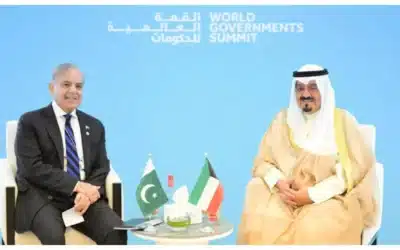



In a landmark joint statement issued today, seven nations—Saudi Arabia, Turkey, Egypt, Jordan, Indonesia, Pakistan, and Qatar—have officially confirmed their intent to join the “Board of Peace,” an international peace-building body chaired by United States President Donald Trump.
The coalition of Muslim-majority countries emphasized that their participation is anchored in the goal of consolidating a permanent ceasefire in Gaza, facilitating massive humanitarian reconstruction, and advancing a “just and lasting peace” for the region.
Which countries have agreed to join the Board of Peace?
Argentina
Armenia
Azerbaijan
Bahrain
Belarus
Egypt
Hungary
Indonesia
Jordan
Kazakhstan
Kosovo
Morocco
Pakistan
Qatar
Saudi
Arabia
Turkiye
United Arab Emirates
Uzbekistan
Vietnam🔴 LIVE updates: https://t.co/9c4LkE88ak pic.twitter.com/kfd9qXOitX
— Al Jazeera English (@AJEnglish) January 22, 2026
Expansion of Global Membership
The board, which already includes Israel and several other nations such as the UAE, Bahrain, Hungary, and Morocco, is rapidly expanding its diplomatic footprint. President Trump stated at the World Economic Forum in Switzerland that Russian President Vladimir Putin has also been invited and has expressed interest, with the Kremlin currently reviewing the invitation and considering a $1 billion contribution from frozen assets toward Middle East stability.
The Board’s Mandate and Governance
According to the proposed charter, the Board of Peace is established as an international organization under international law. Key structural highlights include:
- Leadership: President Donald Trump serves as Chairman with the authority to appoint the Executive Board.
- Founding Executive Board: Members include U.S. Secretary of State Marco Rubio, Middle East envoy Steve Witkoff, Jared Kushner, and former UK Prime Minister Tony Blair.
- Gaza Oversight: Former UN envoy Nickolay Mladenov has been designated to lead the second phase of operations in Gaza, focusing on demilitarization and reconstruction efforts.
- Permanent Seats: Nations contributing $1 billion or more are eligible for permanent seats on the board.
Diplomatic Objectives
While the charter seeks to streamline functions often associated with international bodies, the participating Muslim-majority states have clarified that their endorsement is specifically tied to the humanitarian crisis in Gaza. The group aims to ensure that the current fragile ceasefire—following the conflict triggered on October 7, 2023—transitions into a sustainable framework for peace.
You May Like To Read: Erdogan and Trump Discuss Syria Reintegration and Gaza Peace Board
Strategic Challenges
The announcement comes amidst complex negotiations. While the board has secured a wide range of international signatories from Albania to Vietnam, some European nations, including Slovenia, have declined participation citing concerns over the existing international order. Additionally, the Israeli government has expressed reservations regarding the coordination of the Executive Board’s composition.
Despite these challenges, the Board of Peace is moving forward with Phase One of its peace plan, which involves hostage exchanges, prisoner releases, and a surge in humanitarian aid to address the dire conditions in the Palestinian territories.