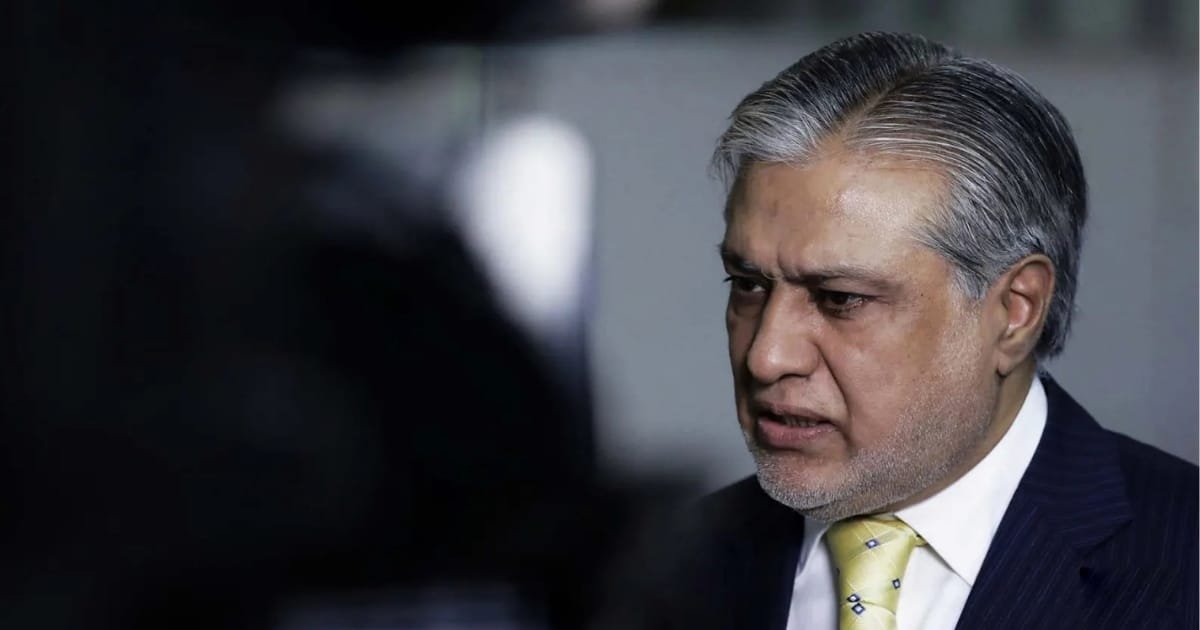




At the high-level “Pakistan Policy Dialogue” held on Wednesday, the Government of Pakistan officially signaled a policy shift, moving away from prolonged economic stabilization toward a growth-oriented agenda focused on output expansion and employment generation.
Deputy Prime Minister Ishaq Dar said on Wednesday that International Monetary Fund programmes were generally anti-growth, adding that the focus of Prime Minister Shehbaz Sharif’s government from now onwards would be on increasing national output.
For more:… pic.twitter.com/OOoiGurzng
— The Express Tribune (@etribune) January 15, 2026
Shifting the Economic Paradigm
Deputy Prime Minister Ishaq Dar, delivering the keynote address, noted that while International Monetary Fund (IMF) programs are traditionally “anti-growth,” the government has successfully achieved the necessary macroeconomic stability to now prioritize expansion.
“Growth below 2.6% is effectively negative growth for Pakistan, given our annual population increase,” the Deputy Prime Minister stated. He emphasized that Prime Minister Shehbaz Sharif will prioritize economic expansion for the remainder of his tenure, noting that employment generation is impossible without robust growth.
Fiscal Realities and Privatization
The dialogue highlighted critical fiscal shifts:
- Debt Servicing: The Deputy Prime Minister pointed out that the policy rate surge since 2017 had pushed annual debt servicing from under Rs2 trillion to approximately Rs10 trillion.
- Privatization Milestones: It was confirmed that the bidding for Pakistan International Airlines (PIA) reached Rs150 billion, with a 75% stake sold for Rs135 billion. The next phase of privatization will target power distribution companies (DISCOs).
- Export Targets: A dedicated committee is working on an ambitious plan to raise exports to $60 billion within three years and remittances to $110 billion over four years.
You May Like To Read: Pakistan’s Passport Ranking Improves; Minister Vows Progress
Sustainable Growth and Structural Reform
Finance Minister Muhammad Aurangzeb and Planning Minister Ahsan Iqbal underscored the need for sustainability. While Minister Iqbal warned that reaching 6% growth too quickly without structural reforms could trigger a balance-of-payments crisis, Finance Minister Aurangzeb emphasized that managing population growth is essential for sustained development.
Additional insights were provided by:
- Minister Musaddiq Malik (Climate Change): Called for structural reforms to address resource concentration and ensure broader economic inclusion.
- Muhammad Ali (Adviser on Privatization): Highlighted the need for greater women’s participation and a shift from trading to manufacturing.
Addressing Social Impact
The session also addressed the social costs of recent stabilization policies. Former Finance Secretary Younus Dagha highlighted the burden on salaried individuals and the rise in unemployment, arguing that future policies must focus on relief and investment to prevent further capital flight.
The Government reaffirmed its commitment to engaging with the IMF while rebalancing policy priorities to ensure that the benefits of stability now translate into tangible economic opportunities for the citizens of Pakistan.
Check out our latest video: