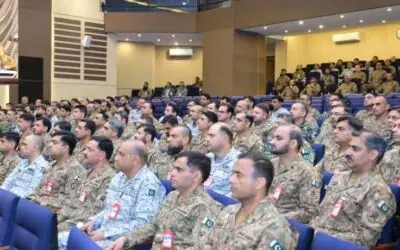


On Thursday, July 10, 2025, the 271st Corps Commanders’ Conference (CCC) was convened at the General Headquarters (GHQ) in Rawalpindi, an assembly chaired by Field Marshal Chief of Army Staff (COAS) Syed Asim Munir NI (M). This significant gathering focused on the pressing need for decisive and comprehensive actions to counter Indian-backed and sponsored terrorist proxies operating across the entire expanse of Pakistan.
Focus on Indian-Backed Proxies
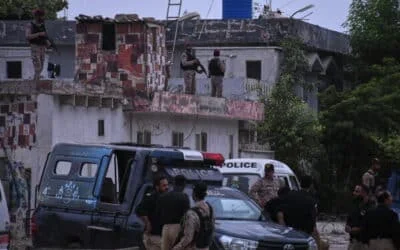
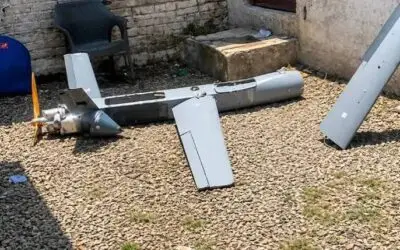
The Conference reiterated Pakistan’s strategic-security commitment, as the forum asserted that India, after facing considerable humiliation against Pakistan following the Pahalgam incident, has now resorted to using proxies to infiltrate and destabilise Pakistan. These proxies, identified specifically as Fitna Al Khawarij (FAK) and Fitna Al Hindustan (FAH), are reportedly being utilised to further India’s malevolent agenda within Pakistan’s borders. The clandestine designs of India and Indian proxies are to destabilise Pakistan, disintegrate the society, and disseminate an anti-state narrative.
فیلڈ مارشل سید عاصم منیر، نشان امتیاز (ملٹری) کی زیر صدارت کور کمانڈرز کانفرنس
فورم کی بھارتی سپانسرڈ پراکسیوں کے ہاتھوں حالیہ دہشت گردانہ حملوں میں شہید ہونے والوں کے ایصالِ ثواب کے لیے فاتحہ خوانی
فورم نے دہشت گرد پراکسیوں کے خلاف فورسز کی حالیہ کامیابیوں کا جائزہ لیا… pic.twitter.com/ZDHyISc1ZL
— PTV News (@PTVNewsOfficial) July 10, 2025
Condemnation of India’s “Bloc Politics”
Field Marshal Syed Asim Munir, addressing the conference, voiced strong condemnation of India’s attempts to involve third parties in the Pakistan-India bilateral conflict. This manoeuvre by India was viewed as a degenerate and disingenuous attempt at bloc politics, designed specifically to falsely project India as a reliable security provider on the international stage. The Inter-Services Public Relations, in their respective Press Release, stated:
Taking note of Indian Army’s baseless insinuations to offset its comprehensive defeat, COAS stated, “Invoking third parties in what is unmistakably a bilateral military confrontation reflects a disingenuous attempt at bloc politics aimed at falsely projecting India’s self-assigned role as a net security provider to accrue benefits in a region that is visibly growing disillusioned with Indian hegemonic ambitions and Hindutva driven extremism.”
The understanding of India’s tactics highlights Pakistan’s strategic awareness and its commitment to addressing external influences that destabilise its internal security.
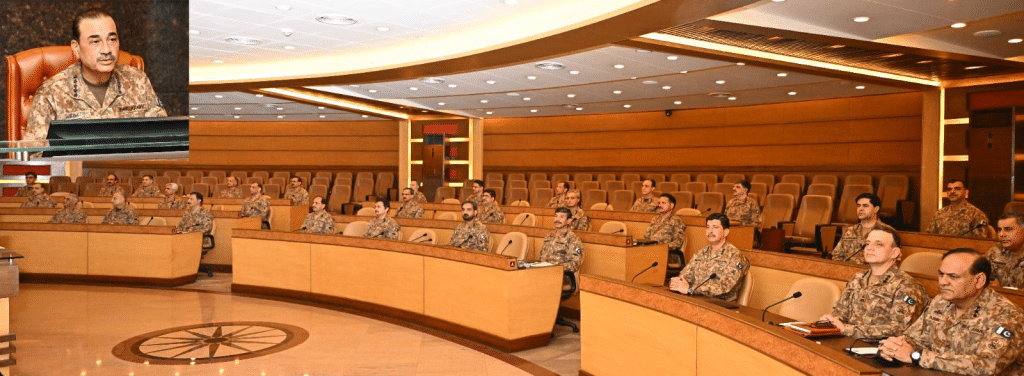
Source: Islamabad Post
Honouring the Martyrs
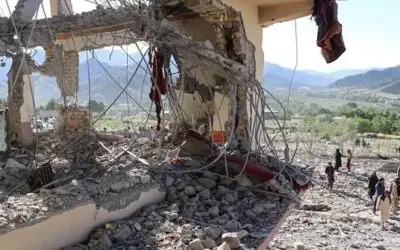
An integral part of the conference proceedings included a special prayer for the martyrs who had recently laid down their lives in the brutal terrorist attacks perpetrated by the Indian-sponsored proxies. This gesture not only honoured the sacrifices but also reinforced the nation’s resolve in combating terrorism.
Reviewing Counter-Terrorism Successes
The conference undertook a thorough review of Pakistan’s successes in its ongoing efforts to combat these nefarious groups, acknowledging the significant strides made in neutralising threats and restoring peace in the affected areas.
Diplomatic Engagements
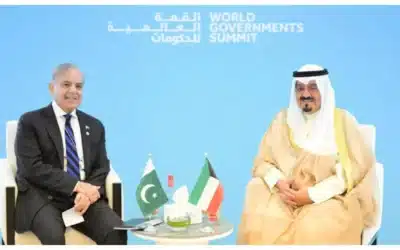
The conference also included a comprehensive overview of Pakistan’s recent diplomatic endeavours, which have been pivotal in strengthening international relations and security alliances. The recent visits alongside Prime Minister Shehbaz Sharif to major allies, including Iran, Turkiye, Azerbaijan, Saudi Arabia, and the United Arab Emirates, were instrumental in fostering stronger bilateral ties, enhancing strategic partnerships, and promoting regional stability.
Historic U.S. Visit
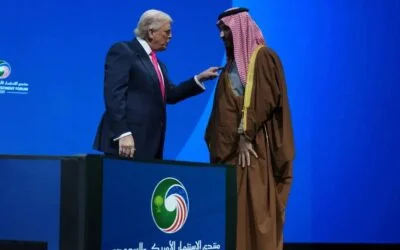
A particularly noteworthy highlight shared by COAS was his historic visit to the United States. During this trip, he held a significant meeting with US President Donald Trump. Wherein, President Trump personally credited him for being instrumental in “stopping the war between Pakistan and India,” a powerful statement that unequivocally highlighted a significant boost in the US-Pakistan bilateral relationship.
The acknowledgement by the U.S. President highlights Pakistan’s role as a responsible state actor committed to de-escalation and peace in the region. The implications of such a statement are far-reaching, signalling renewed confidence and cooperation between the two nations, and above all, the rejection of India’s shallow propaganda.
Broader Security Concerns: Middle East and Iran
Beyond regional security, the conference also addressed the intricate security situation in the Middle East and Iran. Demonstrating Pakistan’s awareness of broader geopolitical shifts and their potential impacts on regional stability.
Emphasising Self-Reliance and National Unity
The conference also reiterated the paramount importance of developing self-reliant military capabilities, emphasising the nation’s commitment to bolstering its defence infrastructure independently. Concurrently, the need for unwavering national unity was stressed and recognised as an indispensable element for confronting both internal and external challenges effectively.
Pakistan Army’s Operational Readiness and Tri-Service Synergy
In the concluding remarks, Field Marshal Syed Asim Munir conveyed profound confidence in the Pakistan Army’s operational readiness, asserting its preparedness to repel any security challenges. He extended commendations to both the Pakistan Navy and the Pakistan Air Force for their exemplary contributions, particularly during the conflict with India, in strengthening tri-service synergy.
The conference emphasised that the unified approach was vital for a robust national defence, ensuring coordinated and effective responses across all branches of the armed forces. The conference, therefore, served as a crucial platform for strategic planning, operational review, and reaffirmation of Pakistan’s commitment to peace, security, and national resilience in the face of evolving regional and global complexities.