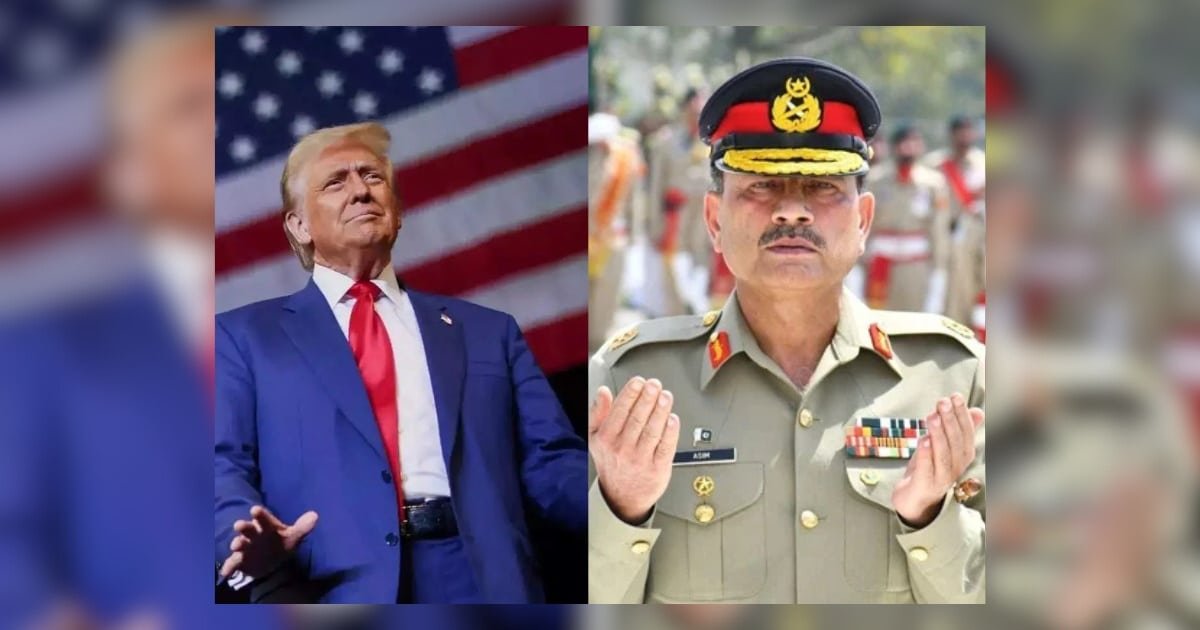


Islamabad — Pakistan and the United States are witnessing a renewed phase of counterterrorism cooperation, signaling a gradual restoration of mutual trust following years of strategic divergence. As outlined by security analyst Muhammad Amir Rana, this revival reflects both Islamabad’s strategic recalibration and Washington’s evolving geopolitical priorities.
🔊 PR No.2️⃣3️⃣9️⃣/2️⃣0️⃣2️⃣5️⃣
Pakistan-US Counter-Terrorism Dialogue Joint Press Statement https://t.co/6LFMV00s0a
🔗⬇️ pic.twitter.com/QKL4Vq5Ciu— Ministry of Foreign Affairs – Pakistan (@ForeignOfficePk) August 12, 2025
The trajectory toward cooperation gained momentum with the latest Counter Terrorism dialogue held in Islamabad, reinforcing that both nations remain committed to expanding collaboration against shared threats. Notably, the U.S. State Department took a significant step by designating the Fitna-al-Hindustan/Balochistan Liberation Army’s Majeed Brigade as a Foreign Terrorist Organization — a move that aligns with Pakistan’s long-standing request and underscores the credibility of the renewed CT framework.
This renewed engagement comes with strategic costs: Pakistan has shifted its Afghanistan policy, now treating the Taliban as an adversary in contrast to its earlier stance of cautious engagement. While this policy repositioning may carry internal and regional implications, Washington appears open to deepened partnership, recognizing Pakistan’s value as a “phenomenal partner in the world of counterterrorism,” as praised by retired CENTCOM Commander Gen. Michael Kurilla.
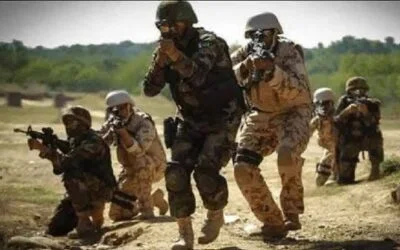
Beyond rhetoric, tangible outcomes are materializing. U.S. support now extends to bolstering Pakistan’s legal and prosecutorial capacity, upgrading border security infrastructure, and delivering training to over 300 police officers and first responders — enhancements aimed at strengthening Pakistan’s domestic counterterrorism resilience.
Overall, this editorial reflects a cautiously optimistic trajectory: Pakistan and the U.S. are reinforcing CT cooperation while navigating a complex geopolitical landscape. Sustaining this trajectory will depend on continued strategic alignment, institutional strengthening, and diplomatic balance.