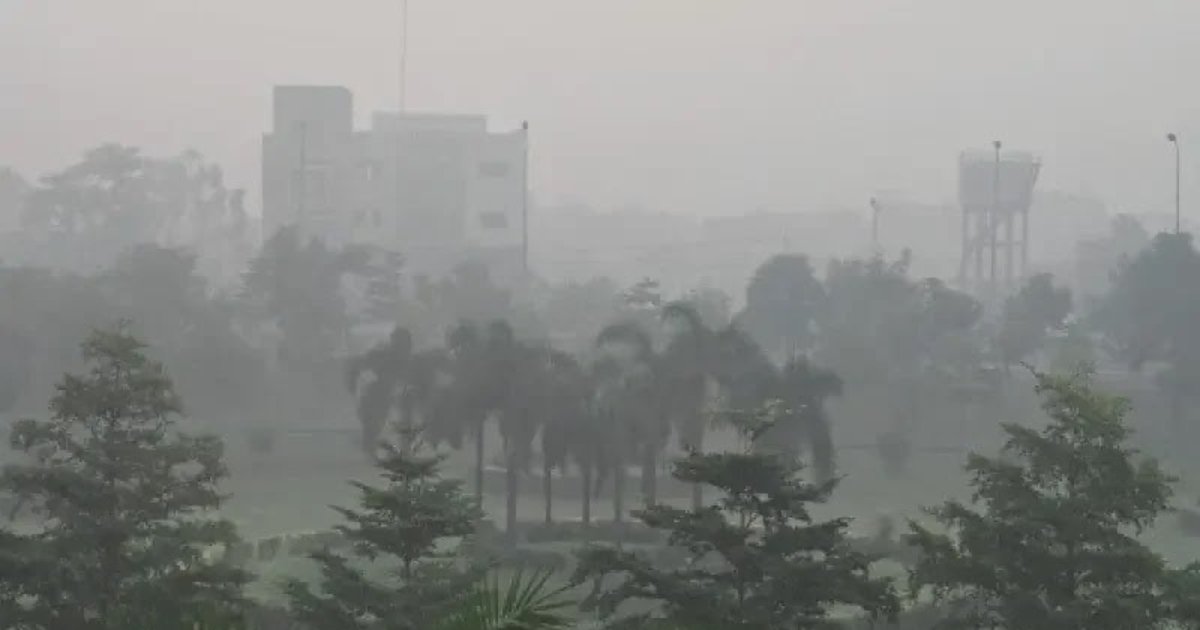





Lahore, once known as the City of Gardens, is now choking under a toxic grey shroud of smog each winter. In response to this annual crisis, the Punjab government is deploying one of the region’s most technologically advanced clean-air programs, placing Artificial Intelligence (AI) at the core of its new enforcement and forecasting strategy.
Punjab sets up 100 air quality stations, a 24/7 AI-based Smog War Room, and South Asia’s first Climate Observatory in Lahore.
With satellites, drones & 8,500 cameras, emissions are tracked in real time for rapid climate response.#ConnectedPakistan #ClimateTech #Punjab pic.twitter.com/g7PF9K2inQ— Connected Pakistan (@ConnectedPak) November 18, 2025
Punjab has established roughly 100 AI-powered air-quality monitoring stations across the province. These smart systems utilize machine-learning algorithms to predict pollution surges in real-time. This data feeds into a 24-hour “smog war room,” a central climate intelligence hub integrating satellite feeds, ground sensors, and over 8,500 cameras, drones, and thermal sensors tracking emission sources like factories and brick kilns. According to Environment Minister Marriyum Aurangzeb, each source is geo-tagged and algorithmically assessed for compliance.
You May Like To Read: Alarming Surge in Pediatric HIV Cases Reported Across Sindh
A specialized Environmental Protection Force (EPF) is digitally linked to the AI system, receiving automatic alerts when sensors detect a spike, allowing rapid dispatch to seal polluting sites. Furthermore, AI-guided anti-smog guns are being deployed in Lahore, programmed to activate automatically when particulate levels exceed safe limits. The government claims the AI network has already helped reduce crop burning by 65% in a year.
However, experts caution that technology is no “silver bullet.” They emphasize that lasting solutions require systemic reforms, including a mandatory shift to cleaner fuels, modernization of refineries, and a move away from outdated industrial practices, which remain the primary drivers of the deadly pollution crisis.