




Parallel to its intensive diplomatic and security maneuvers along both the eastern and western borders, Islamabad is moving aggressively to solidify its role as a central institutional player within the Muslim world. Demonstrating its capacity to host high-stakes international diplomacy amidst regional geopolitical friction, Pakistan is finalizing arrangements to host the 9th Organisation of Islamic Cooperation (OIC) Ministerial Conference on Women, scheduled to take place at the Jinnah Convention Centre in Islamabad on July 12-13, 2026.
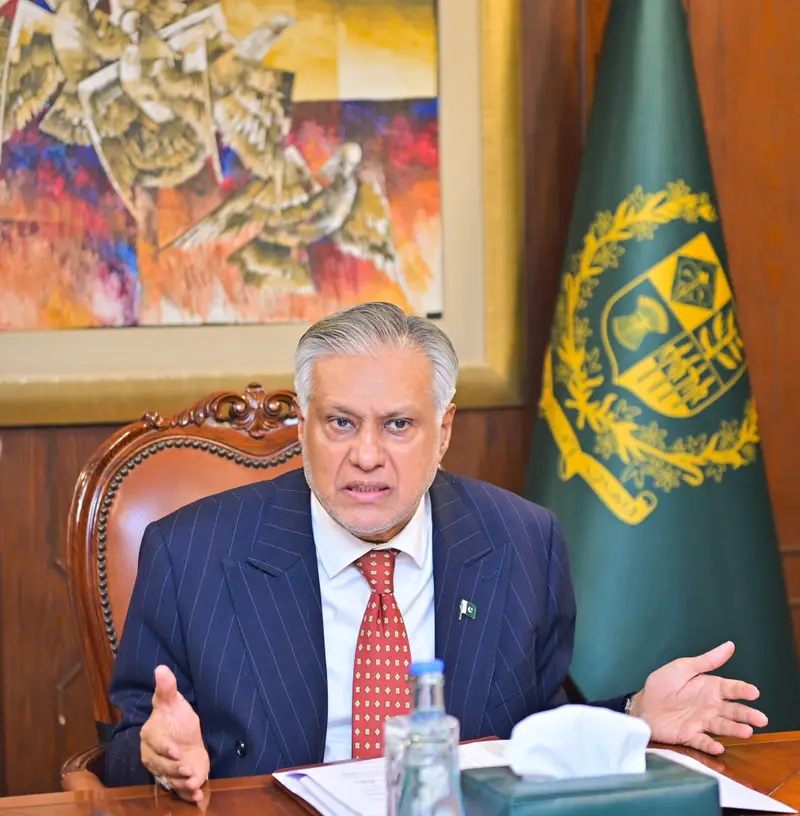
To ensure an unassailable framework for the summit, Deputy Prime Minister and Foreign Minister Mohammad Ishaq Dar chaired the sixth high-level review committee meeting on Wednesday. Bringing together the top tiers of the federal cabinet, law enforcement, and civil bureaucracy, the session finalized the strategic, logistical, and security architecture required to host ministerial delegations from all 57 member states of the OIC bloc. This summit marks a critical milestone in Pakistan’s broader foreign policy agenda, shifting focus toward socio-economic consensus-building, human rights lawfare, and institutional soft-power projection.
Deputy Prime Minister and Foreign Minister Senator Mohammad Ishaq Dar @MIshaqDar50 Dar50 chaired the 6th meeting of the High-Level Committee for the 9th OIC Ministerial Conference on Women, which will be hosted by Pakistan from 12–13 July 2026.
The meeting reviewed the final… pic.twitter.com/kOzlqQjw8Y
— Ministry of Foreign Affairs – Pakistan (@ForeignOfficePk) July 1, 2026
Technical and Logistical Architecture of the Summit
The execution of a multilateral summit of this magnitude requires a highly coordinated, multi-layered operations framework. The High-Level Committee’s final review focused on three primary areas:
1. Unified Inter-Ministerial Command
The coordination mechanism bridges the gap between foreign policy execution and domestic human rights administration. Under the chairmanship of FM Ishaq Dar, the meeting integrated key federal leaders, including Federal Minister for Law, Justice and Human Rights Azam Nazeer Tarar, Federal Minister for IT and Telecommunications Shaza Fatima, and Special Assistant to the Prime Minister Tariq Bajwa. Working alongside Foreign Secretary Amna Baloch and Secretary Human Rights Abdul Khaliq Shaikh, this collaborative structure ensures that Pakistan’s domestic legislative advancements in human rights are seamlessly aligned with its international diplomatic messaging.
2. High-Security Protocols and Technical Rehearsals
Operating under rigid timelines, the state’s security and logistical machinery has entered its final readiness phase. Given the broader regional security matrix, the committee reviewed comprehensive security grids and VVIP protocol management, including the deployment of secure transit corridors and specialized armored transport for foreign dignitaries. The procurement and operational blueprints mandate a full-scale, multi-agency dry run by July 10, 2026. This technical rehearsal will thoroughly test stage management, simultaneous multilingual interpretation systems, secure media communication strategies, and real-time contingency operations before the arrival of the foreign ministers.
3. Agenda Control and the Narrative Domain
The two-day ministerial moot is explicitly designed to advance a progressive, development-oriented agenda across the Islamic bloc. The core conference agenda focuses on three interlocking pillars: women’s empowerment, socio-economic inclusion, and sustainable development. By steering the 57-member platform toward these structural themes, Pakistan is actively countering external attempts by regional spoilers to mischaracterize its domestic environment. Instead, Islamabad is positioning itself as a progressive legal and social anchor capable of driving institutional reform across the OIC region.
Conclusion: The Strategic Value of Multilateral Diplomacy
The upcoming OIC Ministerial Conference represents a vital diplomatic victory for Pakistan’s foreign policy establishment. At a time when New Delhi is attempting to isolate Pakistan legally over the Indus Waters Treaty and Kabul continues to test its patience along the western border, Islamabad’s successful mobilization of a 57-nation platform serves as a powerful reminder of its enduring diplomatic reach.
By ensuring the seamless execution of this summit, Pakistan proves that its state machinery can simultaneously manage complex cross-border kinetic defense operations while providing a secure, sophisticated venue for global governance. Ultimately, the conference underscores a foundational reality of mid-2026: Pakistan remains an indispensable, net security and diplomatic anchor in the region, fully capable of protecting its sovereign interests while shaping the collective policy of the Islamic world.