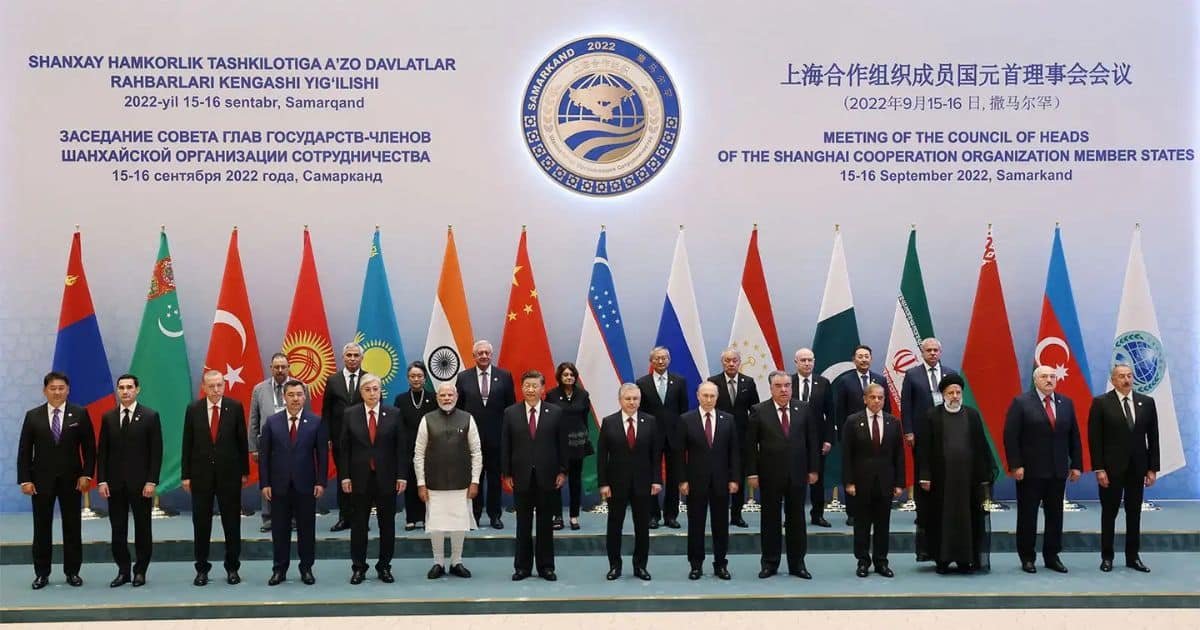


One of the largest regional organisations in the world has turned out to be the Shanghai Cooperation Organisation (SCO). It unites such mighty nations as China, Russia, India, and Pakistan, as well as a few Central Asia states. However, over the years, the SCO has expanded beyond being a security-oriented forum to an organization that discusses trade, finance, and global politics as well.
The 2025 summit in Tianjin demonstrated the value the SCO has gained in the current uncertain world. Leaders such as Xi Jinping, Vladimir Putin, and Narendra Modi took the opportunity to address the issue of creating a more equitable multipolar world. Meanwhile, cracks within the group also became apparent during the summit as past conflicts and national interests were brought to light.
Multipolar Vision, and Shared Interests
SCO leaders attempted to demonstrate at the Tianjin summit that they share common objectives. China and Russia led the pack and demanded an alternative world order that is not West-dominated. President Xi Jinping would oppose the Cold War mentality, he argued, and stressed collaboration, but President Vladimir Putin spoke of so-called real multilateralism and the need to rise to the occasion, as he had to fight the West. The two leaders offered the SCO as a platform of balance and equity in world politics.
Another field that members agreed on was economics. China announced that it will establish an SCO Development Bank to help finance infrastructure and development projects. Russia proposed the formation of mutual bonds and new money to decrease the reliance on the U.S. dollar and other financial institutions that are under the control of the West, such as the IMF or World Bank. These measures were regarded as necessary to make the group more independent and prevent outside pressure on the members of the group.
The summit was also based on powerful symbols to convey a message of unity. The photo of Xi, Putin, and Modi walking hand in hand was in the news all over the world. The SCO had become very confident, and a couple of weeks later, Beijing witnessed a massive military parade where foreign leaders were present. These movements were supposed to emphasize the fact that, in spite of differences, these organizations share a vision of stability, collaboration, and multipolar power.
Tremendous Divisions in the Bloc
The SCO, although demonstrating a level of unity, also demonstrated deep divisions at the summit. India and China’s conflict is one of the largest. The two nations are also bitter border rivals that seek to dominate Asia. Although they shook hands at Tianjin, there is no trust between them.
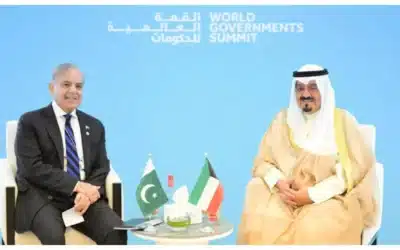
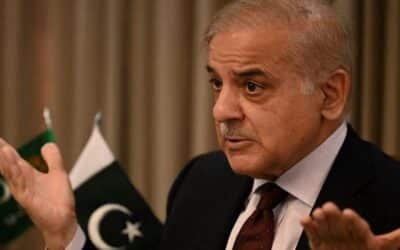
The other source of division is the war between India and Pakistan. Prime Minister Shehbaz Sharif brought up regional differences and the Indus Waters Treaty at the summit. Both India and Pakistan are on the SCO platform to express their concerns, yet their tensions tend to complicate cooperation between the two.
The war in Ukraine by Russia has also divided the bloc. As much as China offers political support to Moscow, other members of the SCO, such as India and the Central Asian states, would rather keep their heads down. They are careful not to offend the West, because they continue to depend on external trade and investment in the SCO. It demonstrates that although members share the ambition of diminishing Western dominance, not all members have the same approach or commitment.
These in-house cracks call into question the unity of the SCO. The group appears to be powerful in paper, but in reality, various interests and rivalries force the bloc to speak with a single voice.
Balancing among Major Powers
All major SCO members have their own strategy that reflects the strength and the vulnerability of the group. India is the best example of balancing. Prime Minister Modi met with both Xi Jinping and Vladimir Putin, a good sign. However, simultaneously, India is strengthening its relationship with the U.S. and its Quad partners. This indicates that India perceives value in the SCO but will not invest in an anti-Western agenda.
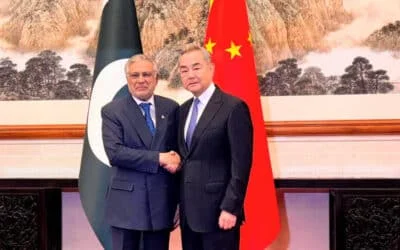
Pakistan took this summit to raise regional issues, particularly the matter of water with India, and the fact that infrastructure needs to be developed. To Islamabad, SCO is a voice that they can raise and seek support for their economic projects. But suspicion of India continues to complicate the role played by Pakistan.
Careful diplomacy is also practiced in Central Asian states such as Kazakhstan, Uzbekistan, and Kyrgyzstan. They embrace Chinese investments and Russian security relations but do not want to get sucked into the rivalry. To them, SCO is primarily a means of increasing trade and stability.
China and Russia are, meanwhile, the engines of the organization. They tend to show a common side, and even among themselves, there exist differences. China is oriented on long-term economic leadership, but Russia is oriented on security and on short-term political benefits. The SCO is formed through their partnership, which also has the risk of competition in the future.
You May Like To Read: