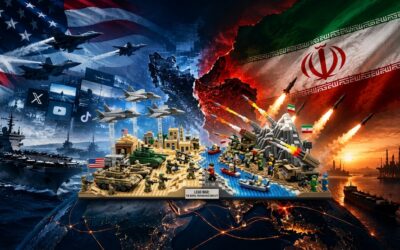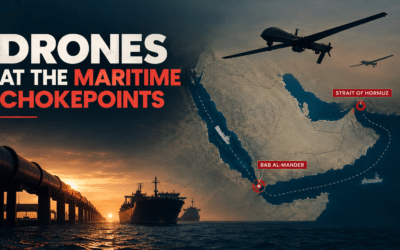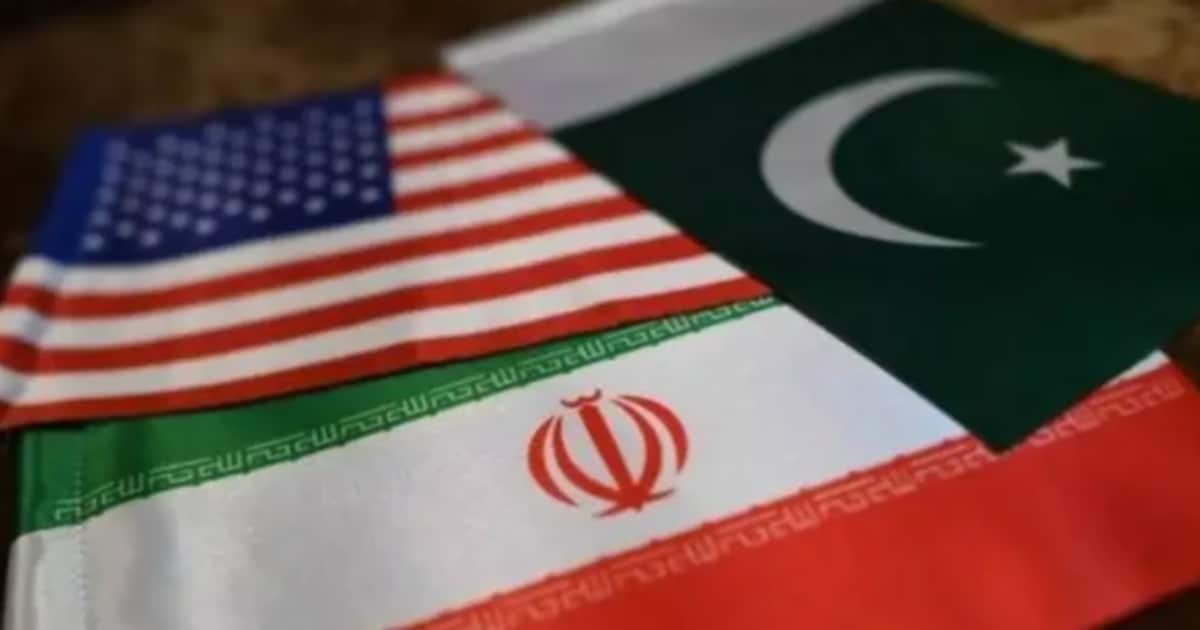





In a joint press conference held in Doha, Qatar’s Prime Minister Sheikh Mohammed bin Abdulrahman Al Thani and Türkiye’s Foreign Minister Hakan Fidan expressed strong support for Pakistan’s ongoing mediation efforts aimed at resolving the escalating conflict between the United States, Israel, and Iran. The leaders highlighted the devastating impact of the conflict, particularly the disruption of maritime traffic through the Strait of Hormuz, and called for an immediate end to hostilities through diplomatic channels.
Sheikh Mohammed emphasized the “dire circumstances” in the Middle East, noting the Strait of Hormuz has been “used as a weapon in this war,” impacting Gulf states economically by limiting “freedom of maritime movement”. He urged Iran to refrain from leveraging the strait to pressure its neighbors, and stated Qatar would continue consulting with Gulf states to restore regional peace through diplomacy with Iran.
At a press conference in Doha, Qatar’s Prime Minister Sheikh Mohammed bin Abdulrahman bin Jassim Al Thani says the Strait of Hormuz has been “used as a weapon in this war” and Iran should not use to it pressure Gulf countries. pic.twitter.com/m1Dlov7hMz
— Al Jazeera Breaking News (@AJENews) May 12, 2026
Echoing Qatar’s sentiments, Foreign Minister Fidan reiterated Türkiye’s unwavering support for Pakistan’s mediation, stressing the urgent need to end the war to mitigate its global repercussions. He also condemned Israel’s “expansion policies” in Lebanon and Gaza, decrying the impact on civilian lives.
The escalating tensions have led to significant disruptions in the energy sector. The United Arab Emirates’ main gas-processing complex, damaged in earlier Iranian attacks, is operating at only 60% capacity and is not expected to reach full production until 2027. ADNOC Gas reported a 15% decrease in net income due to “increased regional uncertainty and difficult market conditions” caused by the Strait of Hormuz blockade.
Meanwhile, Iranian parliamentary spokesman Ebrahim Rezaei warned that Iran could enrich uranium to 90% purity, considered weapons-grade, if attacked again. This statement follows earlier reports that U.S. intelligence assessments suggest Tehran’s nuclear program remains a key point of contention in ongoing talks, with the U.S. demanding Iran move its highly enriched uranium stockpile abroad.
There is no alternative but to accept the rights of the Iranian people as laid out in the 14-point proposal.
Any other approach will be completely inconclusive; nothing but one failure after another.
The longer they drag their feet, the more American taxpayers will pay for it.— محمدباقر قالیباف | MB Ghalibaf (@mb_ghalibaf) May 11, 2026
Amidst these developments, hopes for a comprehensive peace deal have been challenged. Donald Trump dismissed Iran’s proposal as “garbage,” stating that the ceasefire is “on life support.” Iran’s demands include an end to the war on all fronts, recognition of its sovereignty over the Strait of Hormuz, and compensation for war damage.
The conflict has also affected global oil markets, with Brent crude oil futures climbing above $104.50 a barrel due to the near-closure of the Strait of Hormuz. The disruption has forced oil producers to cut exports, leading to the lowest OPEC oil output in more than two decades.
The United States has imposed new sanctions on entities helping Iran ship oil to China and is facing challenges in building international support, with NATO allies reluctant to send ships to reopen the Strait of Hormuz without a full peace deal.
As diplomatic efforts continue, the international community remains focused on de-escalating tensions and finding a lasting solution to the conflict, with Qatar, Türkiye, and Pakistan playing pivotal roles in facilitating dialogue and seeking a peaceful resolution.
You May Like To Read: Pentagon Reveals Updated Cost of War with Iran: $29 Billion
Check out our latest video: