


On December 26, 2025, the Southern Transitional Council (STC) reported that Saudi Arabian fighter jets conducted “warning airstrikes” near their positions in Wadi Nahab, Hadramaut. This military escalation follows the UAE-backed STC’s recent seizure of the oil-rich provinces of Hadramaut and al-Mahra, which border Oman. While Saudi officials have not formally commented, the strikes represent Riyadh’s first kinetic response to the STC’s “unilateralism.”
Saudi Air Force conducted airstrikes against alleges UAE-backed separatists in southern Yemen who have accused their positions in Hadramout governorate.
Saudi Arabia has not confirmed the attack. This is serious escalation pic.twitter.com/tILMD8y6M7
— Red Marker – پیرِ ٹویٹر (@RedMarkar) December 26, 2025
The move comes just a day after the Saudi Ministry of Foreign Affairs issued a firm demand for the STC to withdraw and return to the negotiating table with the UN-recognized government, insisting that Yemen’s territorial integrity must be preserved to maintain a unified front against the Iranian-backed Houthis in the north.
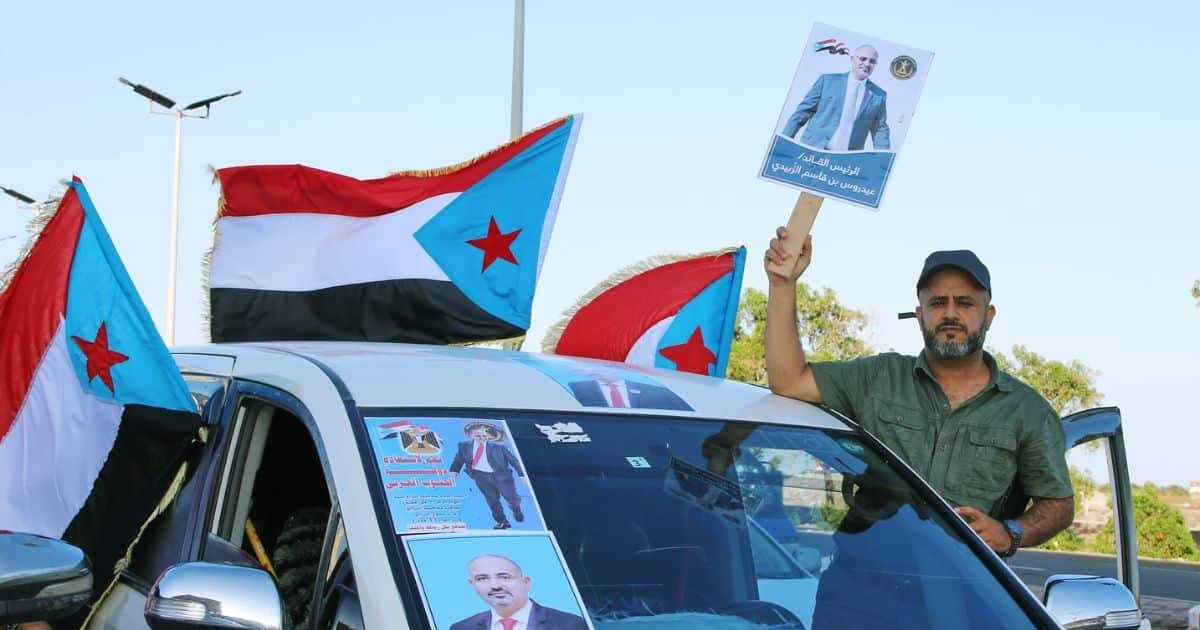
The capture of these governorates has sparked a diplomatic crisis within the Gulf coalition. While the Arab League and European nations have backed the Saudi call for unity, the UAE issued a brief statement commending Saudi Arabia without explicitly endorsing a withdrawal. STC leaders, bolstered by pro-independence demonstrations in Aden, argue that a sovereign South Yemen would be a more effective bulwark against Houthi expansion. However, analysts warn that without UAE military backing, the STC cannot sustain its positions, placing Abu Dhabi and Riyadh on a potential collision course that could reshape the geopolitical landscape of the Arabian Peninsula.
You May Like To Read: Pakistan and UAE Reaffirm Strategic Partnership During Historic Presidential Visit
Check out our latest video: