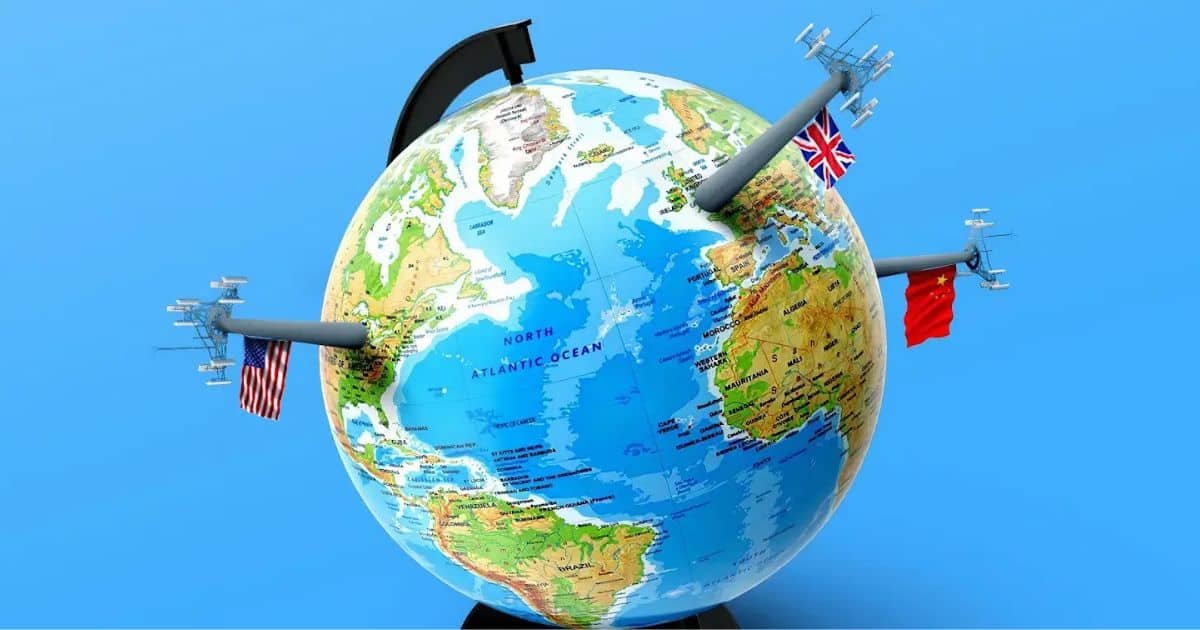


Geopolitical conflicts are powerfully reshaping the global energy landscape. These conflicts are creating a new energy security dilemma, forcing nations to reconsider long-held dependencies and forge new supply chains. The shifts are not merely tactical but are fundamentally altering diplomatic alliances and accelerating the transition to new energy sources. This complex process is redefining global power dynamics and will have lasting economic and political consequences for decades to come.
The Great Diversification: From Pipeline to Planet
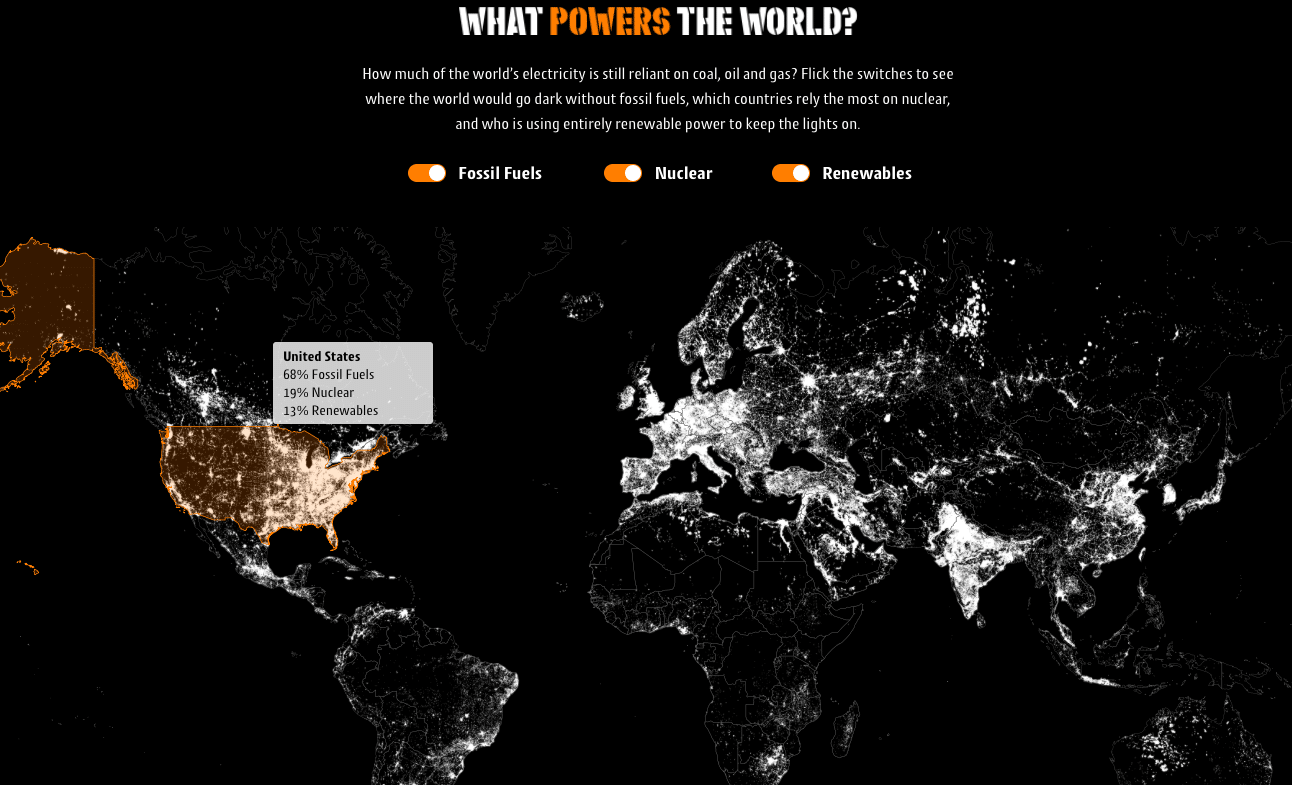
The era of stable, singular energy supply relationships has ended. The Russia-Ukraine war exposed Europe’s deep vulnerability, showing how a single conflict could weaponize a vital resource like natural gas. In response, countries are moving away from pipeline-based dependencies and embracing a truly global approach to energy. They are seeking to diversify their suppliers across multiple continents and various forms of energy. This has spurred a massive expansion in the global market for liquefied natural gas (LNG). The United States, Qatar, and Australia have become key players in this new market, exporting LNG to Europe and Asia. This diversification is about more than just finding new suppliers; it is a strategic effort to build resilience into national economies.
This push for security is also driving a renewed interest in domestic energy production. Countries are now prioritizing investments in their own energy resources. This includes a surprising return to nuclear power, with many nations delaying or reversing plans to decommission existing plants. The goal is to reduce reliance on volatile international markets and create a more self-sufficient energy system. This move towards self-sufficiency is a clear sign that energy policy is now viewed as an integral part of national security.
New Alliances, and Shifting Balance of Power
The remapping of energy supplies is forging new diplomatic alliances while also straining old ones. The traditional relationship between energy producers and consumers is being redefined. Russia, facing Western sanctions, is reorienting its energy exports toward Asian markets, particularly China and India. This pivot is strengthening the economic ties between these nations and creating a new energy axis that could challenge the long-standing dominance of Western economies. For many of these new partnerships, discounted prices on Russian energy are a powerful incentive, creating a dynamic that is both economic and strategic.
On the other side, Western nations are strengthening their diplomatic relationships with countries in the Middle East and Africa. These alliances are no longer just about oil and gas. They also involve cooperation on renewable energy projects, green technologies, and the supply chains for critical minerals. The race for control over minerals like lithium and cobalt, essential for batteries and other clean energy technologies, is a new front in geopolitical competition. Nations that control these resources, and the technology to process them, are gaining new leverage on the world stage.
The Long-Term Consequences of Energy Reshaping
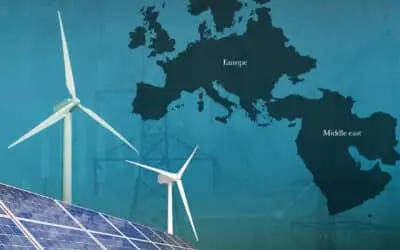
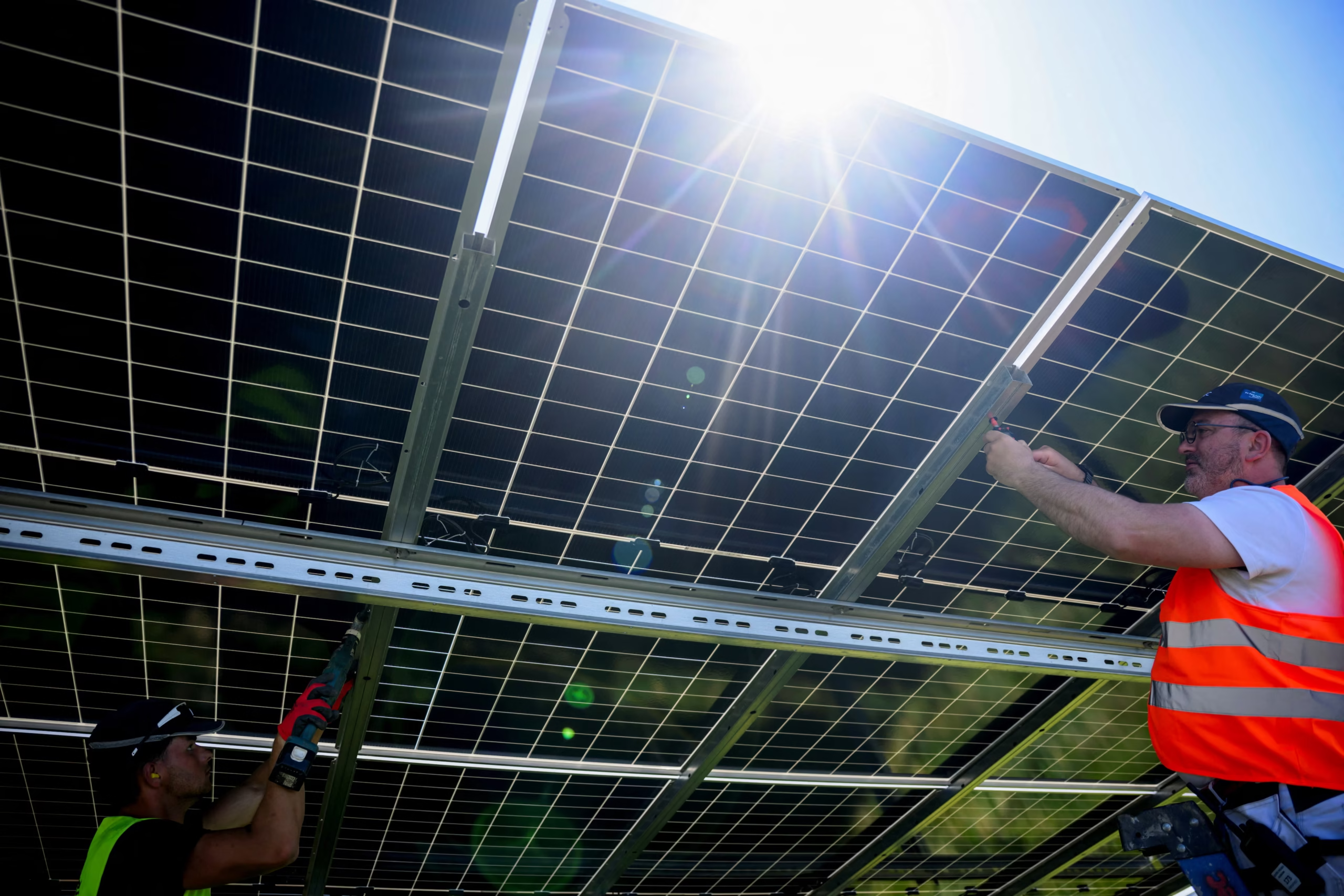
The reshaping of the global energy map will have deep and lasting consequences. The most significant is the acceleration of the global energy transition. While conflicts initially cause a scramble for fossil fuels, they also serve as a powerful wake-up call. The inherent risks of relying on politically volatile fossil fuels are now clearer than ever. This provides a strong incentive for nations to invest heavily in wind, solar, and other renewable sources. The economic and security benefits of domestic, renewable energy are now seen as a crucial premium for national stability.
Economically, the new energy map is creating a more volatile and unpredictable market. Price spikes and supply disruptions are becoming more frequent. This uncertainty makes long-term economic planning difficult for both governments and businesses. It also contributes to inflation and can slow economic growth. However, this volatility also presents an opportunity for companies and nations that can lead the transition to cleaner, more stable energy systems.
Politically, the new energy map will lead to a more multipolar world. The traditional geopolitical power of oil and gas producers may eventually decline. In its place, the influence of nations that lead in clean energy technology and critical minerals will grow. This shift will create new diplomatic challenges and opportunities for cooperation. Ultimately, the energy security dilemma is forcing nations to build a new energy future, one that prioritizes resilience and sustainability over a fragile and conflict-prone status quo.
You May Like To Read: David Lammy Named UK Deputy Prime Minister Following Angela Rayner’s Resignation