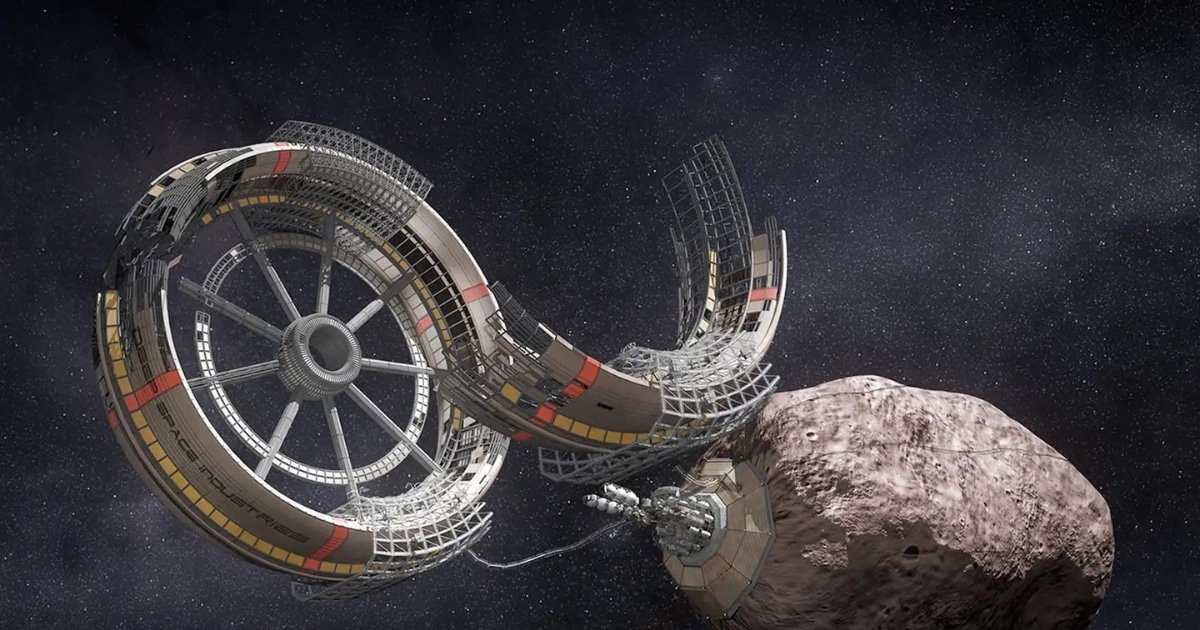





As the race for critical raw materials intensifies, space mining, once the stuff of science fiction is becoming a serious topic of discussion among policymakers, scientists, and private companies. The European Commission’s 2025 Foresight Report hinted that the bloc could one day mine the Moon or asteroids to secure resources vital for technology and clean energy. Yet, with technology, law, and ethics all lagging behind ambition, the question remains: just because we can, should we?
Space mining involves extracting metals, gases, and water from celestial bodies. The Moon’s frozen water deposits are seen as key to sustaining human life and fueling spacecraft, while asteroids may contain nickel, cobalt, and platinum-group elements, resources that could be worth billions on Earth. However, experts warn that the technological and financial hurdles remain immense, and any practical mission is still years away.
The ethical implications are equally complex. Scholars such as Pierfrancesco Biasetti of the University of Padua argue that while space mining could fuel human progress, it risks widening global inequality and repeating Earth’s exploitative patterns
Legally, the field is murky. The 1967 Outer Space Treaty bans national ownership of celestial bodies, though countries like the US, Luxembourg, and Japan have passed domestic laws permitting private extraction under certain conditions. Experts like Jill Stuart of the London School of Economics warn that these loopholes may spark disputes over “ownership” in space.
You May Like To Read: Iraq Records Over 55% Turnout in Parliamentary Elections
For now, the technology isn’t ready, but many see that as an opportunity. As Ian Crawford of the University of London notes, there’s still time to build an international framework to ensure space resources are used “fairly, sustainably, and for all humankind.”
Check out our latest video: