




World Trade Hits New Heights Despite Pressure
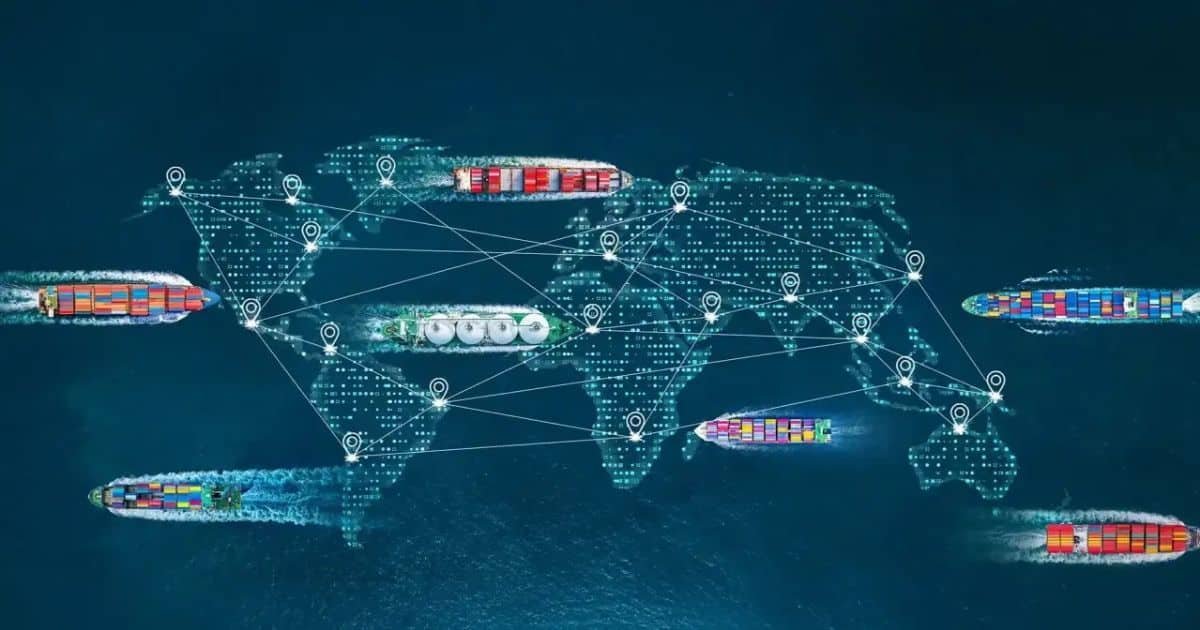
In 2025 global trade continued its long-term expansion, with UN Trade and Development reporting that the total value of global trade activity is on track to exceed $35 trillion for the first time this year. This growth reflects a resilient global economy that has managed to absorb multiple shocks, from tariff escalations to climate-linked supply chain disruptions, even as overall momentum moderates in the face of slowing growth in many major economies.
Global trade’s record surge was driven by a mix of rising volumes and shifting patterns. Manufacturing goods, particularly electronics, remained a key engine of growth, while services trade also expanded strongly. Yet beneath this headline figure, the landscape of trade is in significant flux, shaped by new corridors, rising South–South activity, and changing roles for traditional trade blocs.
You May Like to Read: Johannesburg’s G20: An Opening Where the Global South Demands More than Platitudes
Global trade is on course to exceed $35 trillion in 2025 for the first time.
The new data confirm that trade continued expanding through the second half of 2025, even as geopolitical tensions, higher costs and uneven global demand slowed momentum.
▶️ https://t.co/5sWAyiaUPg pic.twitter.com/CUKhp8um7M
— UN Trade and Development (@UNCTAD) December 10, 2025
South–South Corridors: The Rising Power of Developing Countries
One of the most striking trends in 2025 has been the continued strengthening of South–South trade, economic exchange between countries of the Global South. East Asia, Africa, and intra-regional trade among developing nations played a major role in supporting global trade volumes, even as traditional North–South trade faced pressure from geopolitical instability and tariff pressures.
Africa, in particular, saw robust growth in its export activity, with intraregional trade expanding significantly. This reflects efforts by African Union member states to deepen economic cooperation under frameworks like the African Continental Free Trade Area (AfCFTA), which aims to remove tariff barriers and integrate continent-wide value chains. Meanwhile, Asian economies, including India and ASEAN members, strengthened links with African and Latin American partners, particularly in energy, textiles, and technology sectors.
Economic analysts note that South–South trade offers an alternative to the traditional dependency on Western markets, giving emerging economies greater leverage and flexibility. This trend has been reinforced by strategic investments in renewable energy, critical minerals, and infrastructure projects that link markets across the Global South for long-term industrial collaboration.
For countries like Pakistan, these developments open possibilities for new trading partners and value chains beyond traditional Western markets. Enhanced links with African and Asian neighbours could help diversify exports and integrate the country’s industrial base into broader regional supply systems.
You May Like to Read: Pakistan’s Position in Evolving Global Trade Governance
Shifting Corridors: Redrawing the Route of Global Commerce
The physical and economic routes goods travel around the world are also changing. Geopolitical instability, rising transportation costs, and climate risks have all prompted businesses and governments to rethink trade corridors. Major logistics hubs traditionally centred on North Atlantic and Pacific routes are now seeing competition from corridors that traverse South Asia, Southeast Asia, and Africa.
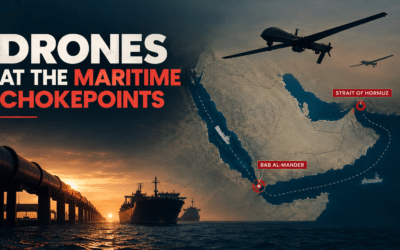
This shift towards diversified trade pathways reflects a broader effort by countries to reduce reliance on single chokepoints and volatile logjams. For example, rising tensions in the Red Sea and disruptions in key shipping lines have underscored a need for alternate routes that avoid geopolitical flashpoints. Many South Asian and Southeast Asian countries are investing heavily in port facilities, rail links, and inland transport networks to capture this emerging flow of goods.
While diversification increases resilience, it also raises costs and complexity for firms that must manage longer, more fragmented supply chains. Economic planners caution that without strong coordination, fragmented corridors could create bottlenecks and exacerbate inequities between countries with advanced logistics infrastructure and those without.
Tariff Shocks: A New Normal in Trade Policy
Tariffs have re-emerged as a defining feature of global trade policy in 2025, reshaping trade flows and forcing companies to adjust strategies. After a period of tariff restraint in the early 2020s, a resurgence in protectionist measures, especially by the United States, has rocked markets and pressured global supply chains.
In 2025, the United States imposed renewed tariff measures on a wide range of imports, including metals and manufacturing goods. Surveys of global supply chain leaders suggest that more than 80 per cent of firms reported tariff impacts on their operations, with significant rises in supplier costs and changes in sourcing decisions.
Tariffs have contributed to “frontloading” where companies expedite imports ahead of levy hikes, and to shifts in trade patterns. Some nations, such as Mexico, have benefited from tariff differentials, seeing substantial growth in export volumes as businesses seek tariff-friendly alternatives to more costly imports from China and other major producers.
At the same time, new free trade agreements continue to be negotiated. For instance, India concluded a comprehensive trade pact with New Zealand in late 2025, aimed at boosting bilateral commerce and lowering tariffs across a broad range of sectors.
For Pakistan, navigating this torrent of tariff changes means balancing market access with domestic industry protections. Trade negotiators in Islamabad are increasingly focusing on securing favourable terms with both traditional and new partners to protect exports and attract investment.
Climate and Supply Chains: A New Layer of Risk and Opportunity
Climate change has shifted from being a long-term concern to a present-day trade risk. Extreme weather events, rising sea levels, and regulations aimed at reducing carbon emissions are all forcing global supply chains to adapt. In South Asia, for example, UNCTAD highlighted that freight volatility and climate-linked disruptions are now a fact of life, with port closures, rerouting requirements, and decarbonisation policies driving both costs and innovation.
The climate dimension has also reshaped purchasing decisions and trade agreements. Carbon border adjustment mechanisms in major markets, such as the European Union, are pressuring exporters to adopt cleaner production methods or face higher levies on their goods. This has accelerated investment in green technologies and energy transition projects in parts of Asia, Africa, and Latin America. While climate regulation presents compliance challenges, it also creates opportunities for countries that can supply the raw materials and technologies needed for renewable energy systems. Pakistan, with its strategic location and growing renewable sector, has potential to integrate into emerging climate-linked supply chains, particularly around solar, wind, and green hydrogen projects, if policy frameworks and infrastructure allow.
You May Like to Read: From ‘Global South’ to ‘Global Majority’: Is the West Losing Its Linguistic Monopoly on Power?
The Future of Conventional Trade Blocs
Traditional trade blocs and alliances; such as NAFTA/USMCA, the EU’s customs union, and Asia-Pacific partnerships, face mounting pressure to adapt to the new realities of global commerce. Long-standing groupings built on tariff reductions and shared standards are now challenged by fragmentation, geopolitical rivalry, and the rise of bilateral and regional agreements that operate outside established multilateral frameworks. Efforts to forge new agreements continue. A proposed US-EU trade framework aimed at recalibrating tariffs and cooperation reflects ongoing attempts to stabilise longstanding trade relationships, even as it acknowledges the limitations of existing pacts. However, many analysts argue that the era of large, conventional trade blocs may give way to more fluid, flexible networks of agreements tailored to specific industries and resilience objectives. In this scenario, countries outside the traditional centres of global power, including those in South Asia, Africa, and Latin America, can play a more central role.
You May Like to Read: The Fragmentation of Global Trade: Is the Era of Hyper-Globalisation Over?
Conclusion: A Trade Landscape in Transition
As 2025 draws to a close, global trade stands at a crossroads. South–South trade corridors are stronger than ever, challenging old hierarchies and opening new pathways for economic cooperation. At the same time, tariff pressures and climate realities are imposing fresh constraints on supply chains, forcing businesses and governments to adapt in real time. For Pakistan and similar emerging economies, these shifts bring both risks and opportunities. The key to success will lie in strategic engagement with evolving trade networks, effective domestic policy that enhances competitiveness, and investment in resilient, sustainable infrastructure. In a world where trade growth continues despite adversity, staying agile, informed, and internationally connected is more important than ever.
Check out our latest video: