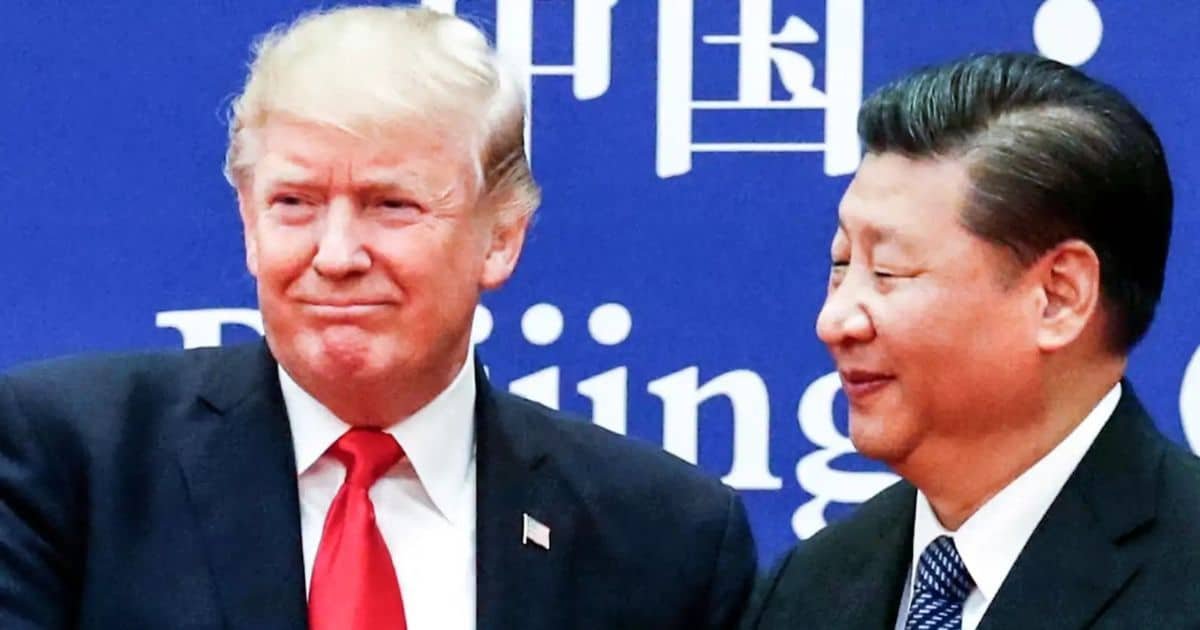



South Korea is at the center of the world stage this week, hosting both U.S. President Donald Trump and Chinese President Xi Jinping for the APEC Summit. This dual visit highlights the intense diplomatic pressure on South Korean President Lee Jae Myung, who must balance the nation’s crucial security alliance with the United States against its deep economic reliance on China, its biggest trading partner.
#MCExplains 🎥 | Trade tensions between the U.S. and China appear to be easing as Presidents Donald Trump and Xi Jinping prepare for a crucial meeting in South Korea. Speaking at the ASEAN Summit in Malaysia, Trump signaled optimism about a possible trade deal, calling it a… pic.twitter.com/0iqiE6tXQc
— Moneycontrol (@moneycontrolcom) October 27, 2025
This tension is visible on the streets of Seoul, where separate, competing public protests were held over the weekend. Rallies near the U.S. embassy chanted “No Trump,” reflecting frustration over ongoing trade demands, while others demonstrated against the Chinese Communist Party (CCP) influence.
President Lee is maneuvering through a geopolitical minefield, even hosting the critical Trump-Xi trade talks scheduled for Thursday. Observers note that with South Korea’s own trade deal with the US still unfinalized, Lee’s priority is a smooth, brief summit that avoids alienating either global power. The outcome of the US-China Trade War negotiations, hosted on Korean soil, will significantly impact Seoul’s future prosperity and regional stability.
You May Like To Read: Pakistan and Jordan Boost Defense Ties After COAS Munir Meeting with King Abdullah II
Check out our latest video: