

WASHINGTON, D.C. – September 6, 2025 – The United States has reportedly deployed F-35 Joint Strike Fighters to Puerto Rico as it considers military options against drug cartels operating within Venezuela. This development, which has been widely reported by news organizations, marks a significant escalation in the ongoing tensions between Washington and Caracas.
Sources have indicated that ten of the advanced stealth fighter jets were sent to an airfield in Puerto Rico as part of an ongoing operation targeting Latin American drug cartels. These organizations have been designated as “narco-terrorist” entities by the US government. This deployment supplements an existing US naval build-up in the southern Caribbean, which includes warships, a fast-attack submarine, and thousands of Marines.
Venezuela Condemns US Actions, Calls for Dialogue
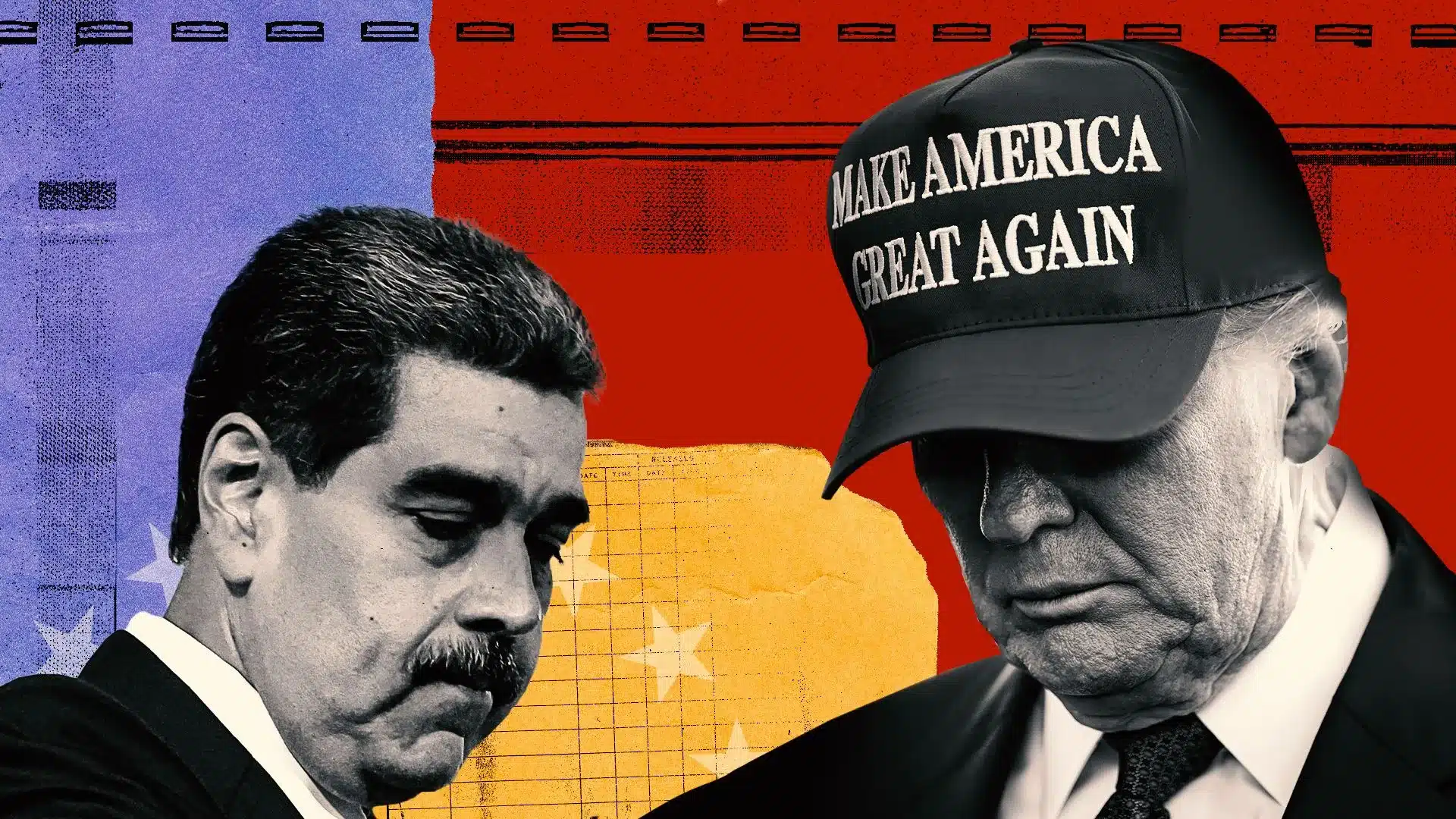
In response to the escalating situation, Venezuelan President Nicolás Maduro called on the US to “abandon its plan of violent regime change in Venezuela and in all of Latin America.” He emphasized the need for the US to “respect sovereignty, the right to peace, to independence” and reiterated that Venezuela has always been open to dialogue.
President Maduro, who has mobilized Venezuela’s military and claimed to have over eight million reservists and militia members, warned that “if Venezuela were attacked, it would immediately enter a period of armed struggle.”
US Officials Justify Actions Amidst Military Build-up
The US Department of Defense has accused Venezuela of “highly provocative” actions after two F-16 fighter planes reportedly flew near the guided-missile destroyer USS Jason Dunham. In response to a potential repeat of such an event, President Donald Trump has warned that if Venezuelan jets endanger US vessels, “they’ll be shot down.”
On Tuesday, US forces blew up a speedboat in the Caribbean that President Trump claimed belonged to Tren de Aragua, a Venezuelan criminal organization. The strike, which reportedly killed 11 people, has been questioned by legal experts regarding its legality and was labeled an “extrajudicial killing” by Caracas. US Secretary of State Marco Rubio defended the military approach, stating, “If you’re on a boat full of cocaine or fentanyl headed to the United States, you’re an immediate threat to the United States.”
The US government has charged President Maduro and other high-ranking Venezuelan officials with a range of offenses, including narco-terrorism, corruption, and drug trafficking. The US has also doubled a reward for information leading to Maduro’s arrest to $50 million.
The current US military build-up is portrayed as a critical effort to stem the flow of drugs into the United States and to disrupt what the administration calls “narco-terrorist” groups. The deployment of advanced F-35 jets is seen as a clear signal of the US’s resolve to use military force in the region if deemed necessary.