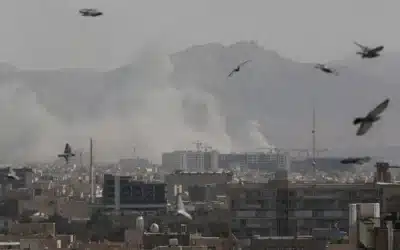
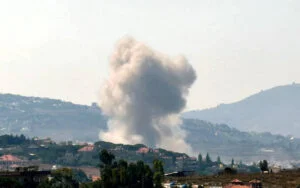



Global maritime trade has ground to a functional standstill at the Strait of Hormuz following a series of kinetic attacks on international shipping and a de facto blockade by Iran’s Islamic Revolutionary Guard Corps (IRGC). As of Monday, March 2, 2026, the vital waterway—responsible for 20% of the world’s oil and gas supply—is considered “effectively closed” by analysts and insurers, sending Brent crude surging by 10% to over $82 per barrel.
Tanker owners, oil majors and trading houses suspended oil, fuel and LNG shipments through the Strait of Hormuz after Tehran said it had closed navigation, raising fears of a major supply shock https://t.co/4UbLpzYyi1 pic.twitter.com/XxYYeFxH21
— Reuters (@Reuters) March 1, 2026
Tankers Under Fire: The Attack on the ‘Skylight’
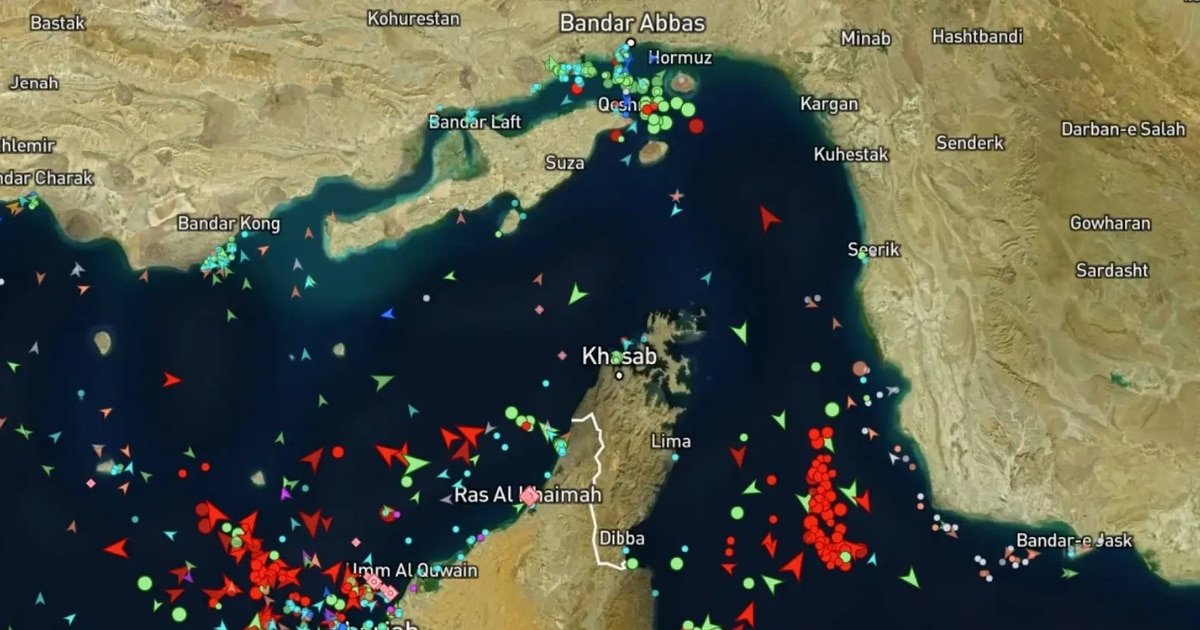
Oman’s Maritime Security Centre (MSC) confirmed that the Palau-flagged oil tanker Skylight was targeted five nautical miles north of Khasab Port. The vessel, which is reportedly under U.S. sanctions, was carrying 20 crew members (15 Indian and 5 Iranian nationals). All were successfully evacuated, though at least four sustained injuries requiring medical treatment.
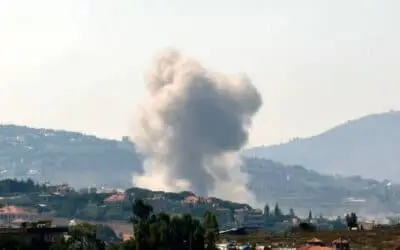
The UK Maritime Trade Operations (UKMTO) and private security firm Vanguard Tech reported multiple other “security incidents” involving vessels flagged to Gibraltar, the Marshall Islands, and Liberia. At least two ships were hit by “unknown projectiles,” causing onboard fires, while a third explosion occurred in close proximity to another transit.
IRGC Blockade and Insurance Void
The escalation follows an IRGC radio decree declaring the Strait closed to international navigation in retaliation for the martyrdom of Supreme Leader Ayatollah Ali Khamenei. While no physical naval blockade has been fully established, the threat has achieved a functional shutdown:
-
Mass Suspensions: Shipping giant Maersk has suspended all transits through the Strait, rerouting vessels around the Cape of Good Hope.
-
Insurance Halt: Marine insurers have ceased coverage for the region, leaving operators exposed to “massive risk premiums” or outright refusal.
-
Vessel U-Turns: Ship-tracking monitors show the KHK Empress (Omani crude) and the Desh Abhimaan (Indian flag) executed mid-transit U-turns to exit the danger zone.
-
Congestion: At least 150 tankers have dropped anchor in the Gulf of Oman, refusing to enter the narrow passage.
Economic Fallout: Inflation and Interest Rate Alarms
Economists warn that a prolonged closure could block up to 20 million barrels per day, potentially pushing Brent crude to the $100 threshold last seen in 2022. While OPEC+ countries met virtually on Sunday to authorize a modest output increase of 206,000 barrels per day starting in April, experts doubt this will cushion the shock if the Strait remains inaccessible.
Subitha Subramaniam, Chief Economist at Sarasin & Partners, warned that sustained high energy prices will “cascade” into food and industrial sectors, potentially forcing the Bank of England to halt planned interest rate cuts to combat a new wave of inflation.
Oil surged the most in four years as traders gauged the impact of the effective closure of the Strait of Hormuz triggered by US-Israeli strikes against Iran.
Ruth Carson explains the implications of the war for oil and global markets https://t.co/q0saNveGX5 pic.twitter.com/JPPtxGpGSs
— Bloomberg (@business) March 2, 2026
Oman’s Neutrality Compromised
In a significant expansion of the conflict, Omani authorities reported a drone attack on the Port of Duqm. This strike is particularly notable as Oman has long served as the primary diplomatic mediator between Tehran and Washington. The targeting of Omani infrastructure suggests that neutral zones are increasingly being drawn into the “Operation Epic Fury” crossfire.
You May Like To Read: Supreme Leader Ayatollah Ali Khamenei Martyred in Joint U.S.-Israeli Aerial Aggression
Check out our latest video: