




Pakistan’s power regulator, NEPRA, issued a landmark decision to impose fixed monthly charges on domestic electricity consumers, including those in the “protected” category. This move, which aims to generate an estimated Rs132 billion annually, marks a significant shift in the country’s tariff structure. While low-consumption “Lifeline” users (under 100 units) remain exempt, other small-scale consumers will now face monthly fixed fees ranging from Rs200 to Rs675.
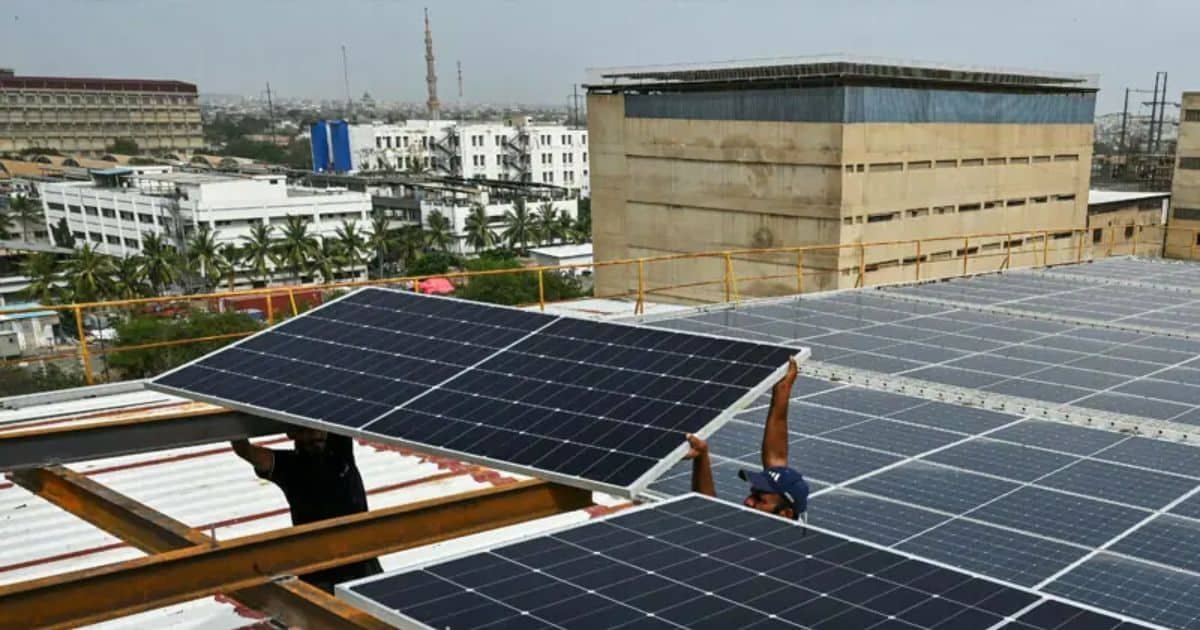
The structural overhaul coincides with the notification of the Prosumer Regulations 2026, which officially ends the decade-old “net metering” system. Under the new “net billing” framework, solar users will no longer enjoy a one-for-one unit exchange. Instead, they will sell surplus electricity to the grid at the National Average Energy Purchase Price (approx. Rs8–11 per unit) while purchasing power from the grid at standard consumer rates (often exceeding Rs40–50 per unit).
NEPRA has deceived solar consumers! Net metering abolished, net billing enforced!
Now the government will buy your excess electricity at Rs 11 per unit, but sell from the grid at Rs 40+ per unit (Rs 50+ in some slabs)!
FBR also imposes 18% sales tax, deducted from your reduced… pic.twitter.com/AJEE2gDn7l— Dr. Danish (official) (@DrDanish5) February 10, 2026
The government argues these changes are necessary to stop “cross-subsidization” and recover the Rs2.56 trillion annual fixed capacity costs. However, the decision has sparked a political firestorm. While Prime Minister Shehbaz Sharif has reportedly ordered a review to protect existing solar users, experts warn the new rules could extend the payback period for solar investments and drive more citizens toward off-grid solutions.
You May Like To Read: