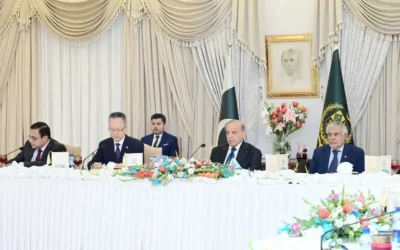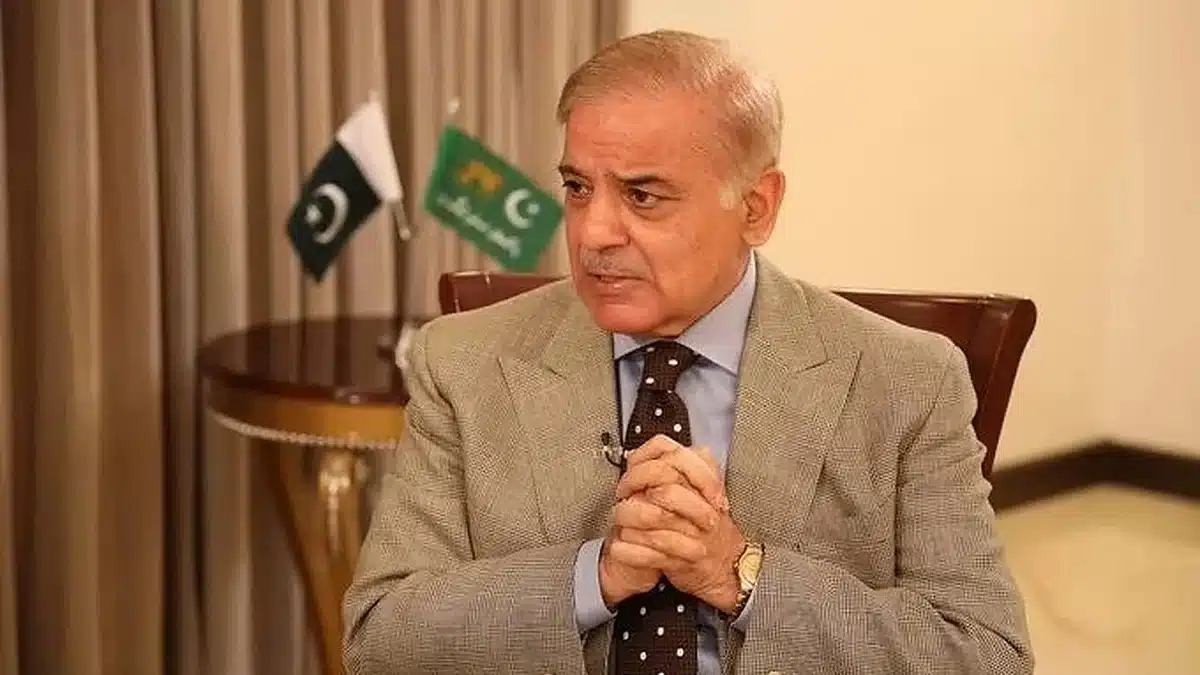

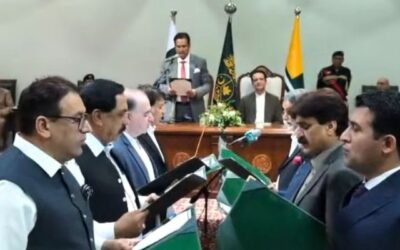


Prime Minister Shehbaz Sharif has declared Pakistan’s ambition to transform into an economic powerhouse, drawing parallels with the nation’s achievement of becoming a nuclear power. Speaking at a federal cabinet meeting in Islamabad, the Prime Minister highlighted the significance of May 28th, the day Pakistan conducted its nuclear tests in 1998, solidifying its position as a nuclear-capable nation.
The prime minister said that just as Pakistan had become a nuclear power, “we have to turn it into an economic power with the same commitment and hard work”.https://t.co/QEC6FsGIkz
— Dawn.com (@dawn_com) May 14, 2026
“On May 28th, Pakistan gained a power that will remain a defensive asset for the country,” stated Prime Minister Sharif. “It is our national narrative that this asset is for defense, not offense. And this is the reason that the world knows Pakistan as a responsible nuclear power.”
The Prime Minister paid tribute to the individuals who contributed to Pakistan’s nuclear program, acknowledging the roles of late Prime Minister Zulfikar Ali Bhutto and former Prime Minister Nawaz Sharif. “[The initiative’s] founder was Zulfikar Ali Bhutto and my leader, Nawaz Sharif, saw it to completion,” he said.
Drawing inspiration from this accomplishment, Prime Minister Sharif emphasized the need for similar dedication to achieve economic prosperity. “Just as Pakistan has become a nuclear power, we have to turn it into an economic power with the same commitment and hard work,” he urged. He acknowledged the efforts of his cabinet over the past two years and recognized the long and challenging journey ahead.
Prime Minister Sharif also addressed the ongoing Middle East conflict, which he said has caused economic difficulties for several countries, including Pakistan. He commended his cabinet for their resilience in facing these challenges. He also recalled Marka-i-Haq, a conflict with India last May, where Pakistan emerged victorious due to national unity and the bravery of its armed forces. The Prime Minister further lauded the sacrifices made in the fight against terrorism, recognizing individuals like Muhammad Liaqat, a railway employee who prevented a suicide attack.
Critical Analysis
Prime Minister Sharif’s statement reflects a long-held aspiration to translate Pakistan’s strategic assets into tangible economic benefits. The comparison to the nuclear program serves as a powerful symbol of national determination and the ability to overcome seemingly insurmountable challenges.
However, the path to becoming an “economic power” is fraught with complexities. Pakistan faces significant hurdles, including:
- Economic Instability: Pakistan’s economy has been plagued by persistent issues such as high inflation, a large fiscal deficit, and a heavy debt burden.
- Geopolitical Risks: Regional instability, including the conflict in the Middle East and tensions with neighboring countries, can negatively impact economic growth and investment.
- Structural Issues: Deep-rooted structural issues such as corruption, weak governance, and an underdeveloped infrastructure hinder economic progress.
While Prime Minister Sharif’s vision is laudable, its realization will require a comprehensive and sustained effort to address these challenges. This includes implementing sound economic policies, attracting foreign investment, promoting innovation, and improving governance. The success of this endeavor will depend on the government’s ability to foster a stable and conducive environment for economic growth and to mobilize the resources and expertise necessary to achieve its ambitious goals. It also remains to be seen how the government will address the ongoing energy crisis and its impact on industry and exports. The reference to the Middle East conflict also underscores Pakistan’s vulnerability to external shocks and the need for greater economic resilience.