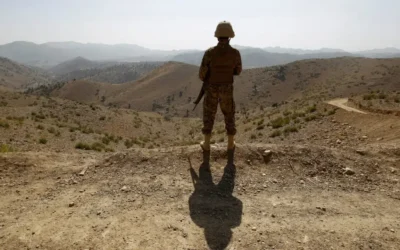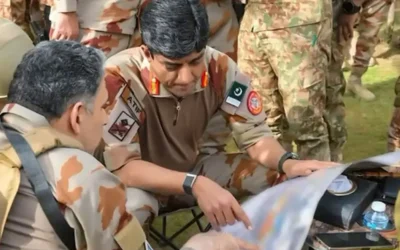




The strategy behind high-profile attacks are designed to undermine the state’s authority and legitimacy. This concept suggests that terrorist acts are not merely about inflicting physical harm, but are carefully orchestrated to send a powerful political message. By targeting symbols of state power, such as military checkpoints or political rallies, perpetrators aim to create a sense of state weakness, generate extensive media coverage, and demoralize the public.
The Evolution of Terrorism: From Casualties to Communication
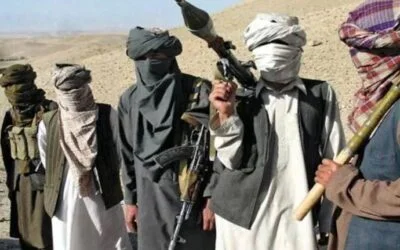
Historically, terrorism was often a tool used to inflict mass casualties and instill fear in a population. While these elements are still present, a significant shift has occurred. Modern terrorist organizations have become increasingly sophisticated in their understanding of media and public perception.
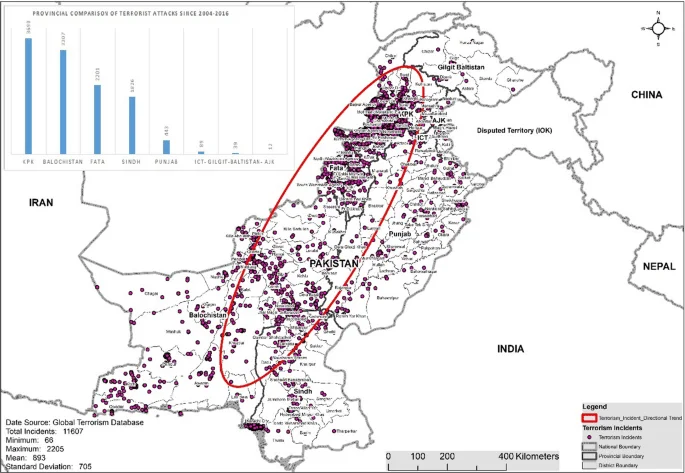
Source: Springer
They recognize that a well-placed attack on a symbolic target can have a disproportionately large psychological impact compared to its physical toll. This shift represents a move from a purely destructive strategy to one focused on communication and psychological warfare.
Terrorists today use attacks to tell a story. This story is often one of state failure and their strength. They aim to show that the government is unable to protect its citizens and its most crucial institutions. The very act of a successful attack on a military convoy, for instance, sends a clear message: “If the state cannot protect its own armed forces, how can it protect you?” This narrative is a cornerstone of the propaganda of the deed.
Undermining State Authority and Legitimacy
The primary objective of the propaganda of the deed is to erode the state’s authority and legitimacy in the eyes of its citizens and the international community. Authority is the state’s power to enforce its will, and legitimacy is the public’s belief in the state’s right to govern. High-profile attacks are specifically designed to attack both.
You May Like To Read: Fitna-al-Hindustan and the Female Bombers
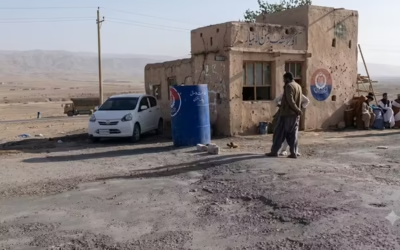
By successfully targeting a military checkpoint, for example, terrorists demonstrate the state’s inability to maintain control over its own territory. The attack becomes a public spectacle of the state’s vulnerability. This erodes the public’s confidence in the government’s ability to ensure their security, which is a fundamental duty of any state. The more the state appears helpless, the more its authority is questioned.
Furthermore, these attacks challenge the state’s monopoly on violence. A core principle of a modern state is that it is the only entity with the legitimate right to use force. When a non-state actor can openly and repeatedly challenge this monopoly, it directly undermines the state’s legitimacy.
The public may begin to see the government as just one of many actors in a conflict, rather than the ultimate authority. This can lead to a decline in public trust, increased support for opposition groups, and a general destabilization of the political order.
The Role of Media and Public Demoralization
The effectiveness of the propaganda of the deed is heavily reliant on media coverage. Terrorists don’t just want to commit an attack; they want it to be seen and discussed globally. Modern media, with its 24/7 news cycle and social media platforms, provides the perfect vehicle for this. A high-profile attack on a political rally is guaranteed to dominate headlines for days, if not weeks.
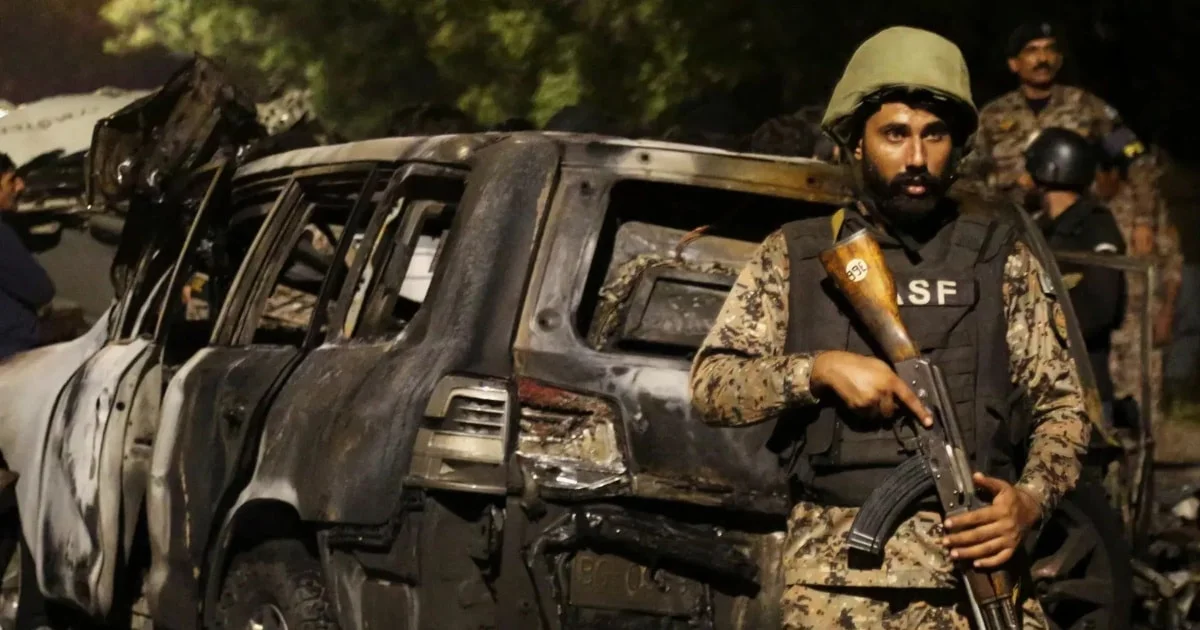
Source: Tribune
Terrorist organizations often use the media as an unwitting accomplice. By staging an attack that is visually dramatic and politically significant, they ensure it will receive widespread attention. The media coverage then amplifies the intended message that the state is weak, and we are strong. This media amplification is a critical component of the strategy, as it ensures the message reaches a broad audience, far beyond the immediate location of the attack.
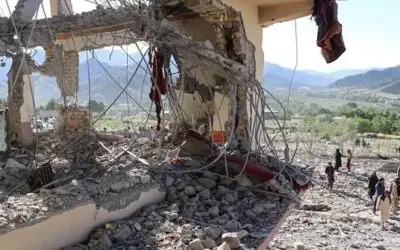
The constant repetition of these attacks in the media, and the accompanying images of chaos and destruction serve to demoralize the public. When people see that their security forces are being targeted and that their leaders are vulnerable, a sense of fear and helplessness can set in. This public demoralization is a key goal.
A frightened and demoralized populace is more likely to question their government’s effectiveness and may even lose the will to resist the terrorist narrative. This psychological impact is often more damaging in the long run than the physical damage caused by the attack itself.
You May Like To Read: Terrorist Recruitment: Social Media Influencers and Gamified Radicalization
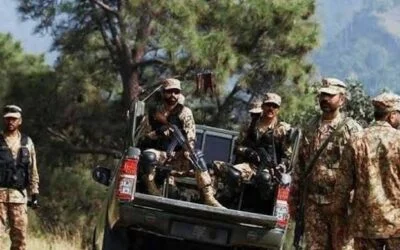
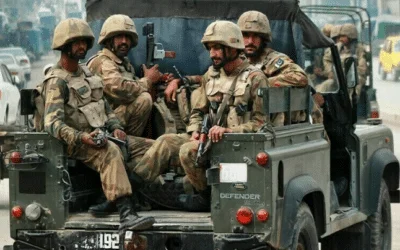
The recent attacks on military convoys and political events are perfect examples of this deliberate, calculated strategy. These are not random acts of violence. They are meticulously planned to achieve specific political and psychological outcomes. By targeting military personnel, terrorists show their operational capabilities and challenge the state’s military might. By attacking political events, they show their ability to disrupt the democratic process and target the political elite.
For instance, in Balochistan, an attack on a political rally on the eve of an election is not just about killing people. It is a direct assault on the democratic system itself. It is designed to create a climate of fear, discourage public participation, and show that the state cannot guarantee the safety of even its most fundamental institutions. Such an attack sends a message that the terrorists can dictate the terms of public life and that the state is powerless to stop them.
In conclusion, the propaganda of the deed represents a sophisticated and dangerous evolution in terrorist strategy. By focusing on symbolic targets and leveraging media coverage, terrorists aim to do more than just kill; they aim to destroy the public’s faith in their government. This approach, which prioritizes psychological warfare over physical destruction, poses a significant and ongoing threat to state authority and legitimacy worldwide.