



The metaphor for water as the new oil has evolved from a simple observation into a stark geopolitical reality. As a finite and essential resource, freshwater is increasingly becoming a source of tension and conflict, particularly in regions where major river systems across national borders.
In a world grappling with the accelerating impacts of climate change, these transboundary river disputes are no longer just matters of resource management; they are potential flashpoints for regional conflict, demanding a new era of hydro-diplomacy.
The Geopolitical Significance
The geopolitical significance stems from a fundamental paradox, water is a shared resource, yet its management is often viewed through a lens of national interest.
Upper riparian nations hold a natural advantage, as their control over a river’s flow directly impacts the lower riparian countries water supply. This power dynamic creates an inherent asymmetry, making these river basins ripe for disputes.
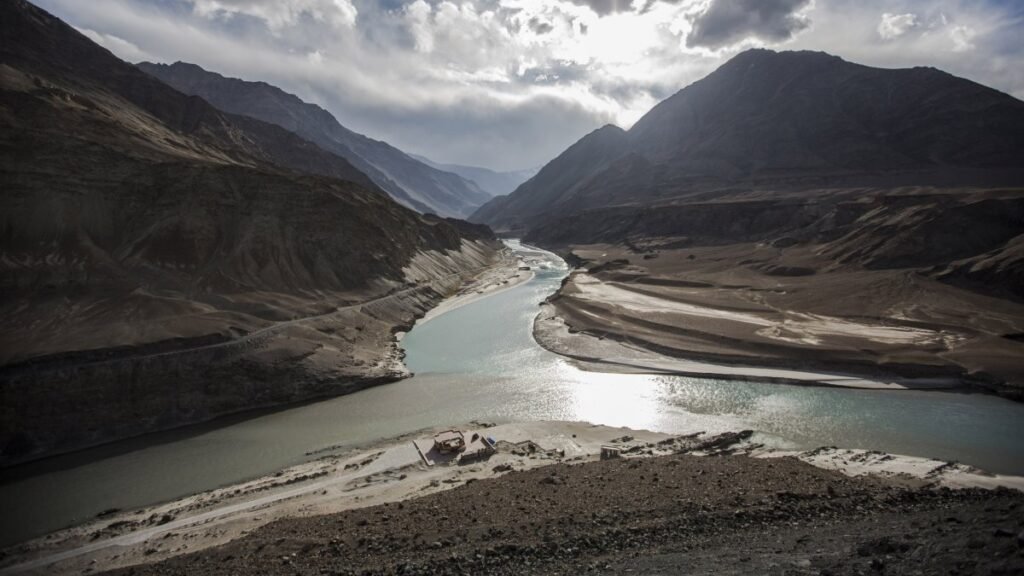
This is particularly evident in South Asia, a region home to some of the world’s most populous countries and major river systems. The Indus River Basin, shared by Pakistan, India, Afghanistan, and China, is a prime example.
The Indus Waters Treaty (IWT) of 1960, a landmark agreement brokered by the World Bank, has long been a pillar of stability between India and Pakistan, two nuclear-armed rivals. The treaty allocates the three eastern rivers Ravi, Beas, and Sutlej to India and the three western rivers Indus, Jhelum, and Chenab to Pakistan.
However, this treaty, while a testament to successful hydro-diplomacy, is now being strained by new pressures.
The Indus Waters Treaty in a Climate-Stressed World
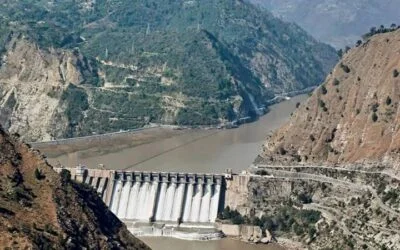
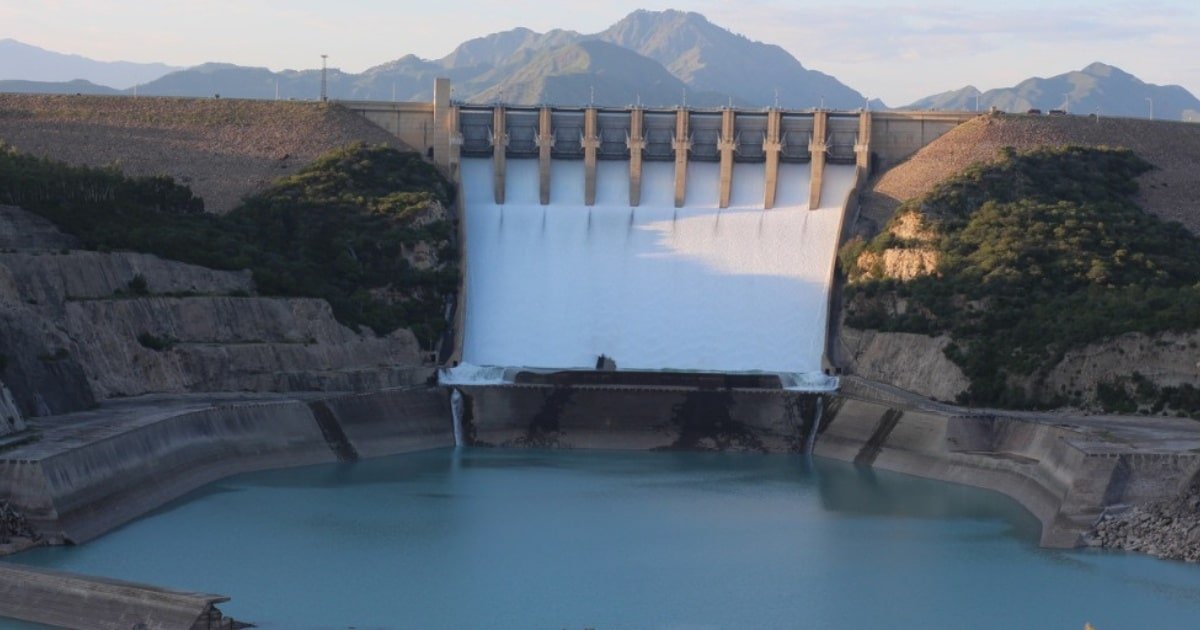
India, as the upstream nation, has been building various projects on the western rivers, such as the Kishanganga and Ratle hydroelectric projects. While the IWT allows for “run-of-the-river” projects, Pakistan has raised concerns that these could be used to manipulate water flows, especially during times of tension.
This has led to frequent disputes and arbitration efforts, highlighting the fragility of the treaty’s mechanisms in a changing environment.
Furthermore, the glaciers and snowpack in the Himalayas, which are the primary sources of the Indus River, are melting at an alarming rate due to climate change. This leads to increased flows initially, followed by a long-term decline in water availability. This uncertainty is a major threat to both India’s and Pakistan’s water security, and it introduces a new variable into their already tense relationship.
However, Afghanistan, historically a minor player in the Indus Basin’s geopolitics, is now asserting its right to utilize its share of water from the Kabul River, a major tributary of the Indus.
You May Like To Read: Trump Announces Tariff Deal, Boosting Pakistan’s Trade Prospects
The construction of projects like the Kamal Khan Dam on the Helmand River and others on the Kabul River has raised concerns in Pakistan about a potential reduction in its water supply. This adds a new layer of complexity to the region’s hydro-geopolitics, creating a potential three-way dynamic of competition and cooperation.
Dimensions of the Crisis
Water security is no longer just about ensuring adequate supply for domestic use and agriculture. It is intrinsically linked to a nation’s energy production, industrial output, and food security. In this context, environmental geopolitics takes center stage.
Climate change is a key driver of this, as it is altering precipitation patterns, increasing the frequency of extreme weather events, and affecting river flows. For a country like Pakistan, which is heavily dependent on the Indus for its agriculture and economy, any reduction in water supply due to climate change or upstream development is a matter of national security.
Regional Conflict and International Law
The potential for transboundary water disputes to escalate into regional conflicts is a significant concern. While international law provides some frameworks for the equitable use of Transboundary Rivers, such as the UN Watercourses Convention, these are often non-binding and difficult to enforce.
The IWT is a bilateral success story, but its limitations in the face of climate change and new geopolitical realities are becoming apparent. The absence of a strong, multilateral legal framework for water-sharing in the region means that disputes often become political issues, linked to broader national rivalries.
Conclusion
The escalating geopolitical stakes of transboundary river disputes in a climate-stressed world underscore the urgent need for a new paradigm of cooperation. The Indus Basin, with its complex web of historical rivalries, a landmark treaty, and the multiplying threat of climate change, serves as a critical case study.
The metaphor of “water as the new oil” is not just about the value of the resource; it is about its potential to ignite conflict. The path forward lies in transforming this potential from a liability into an opportunity for collaboration, where hydro-diplomacy becomes the cornerstone of regional stability and sustainable development. Failure to do so risks turning the life-giving rivers of the region into a source of division and strife.