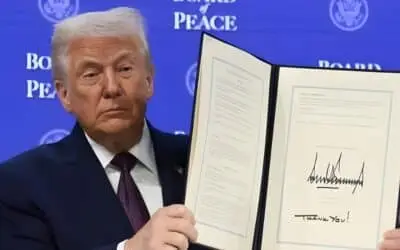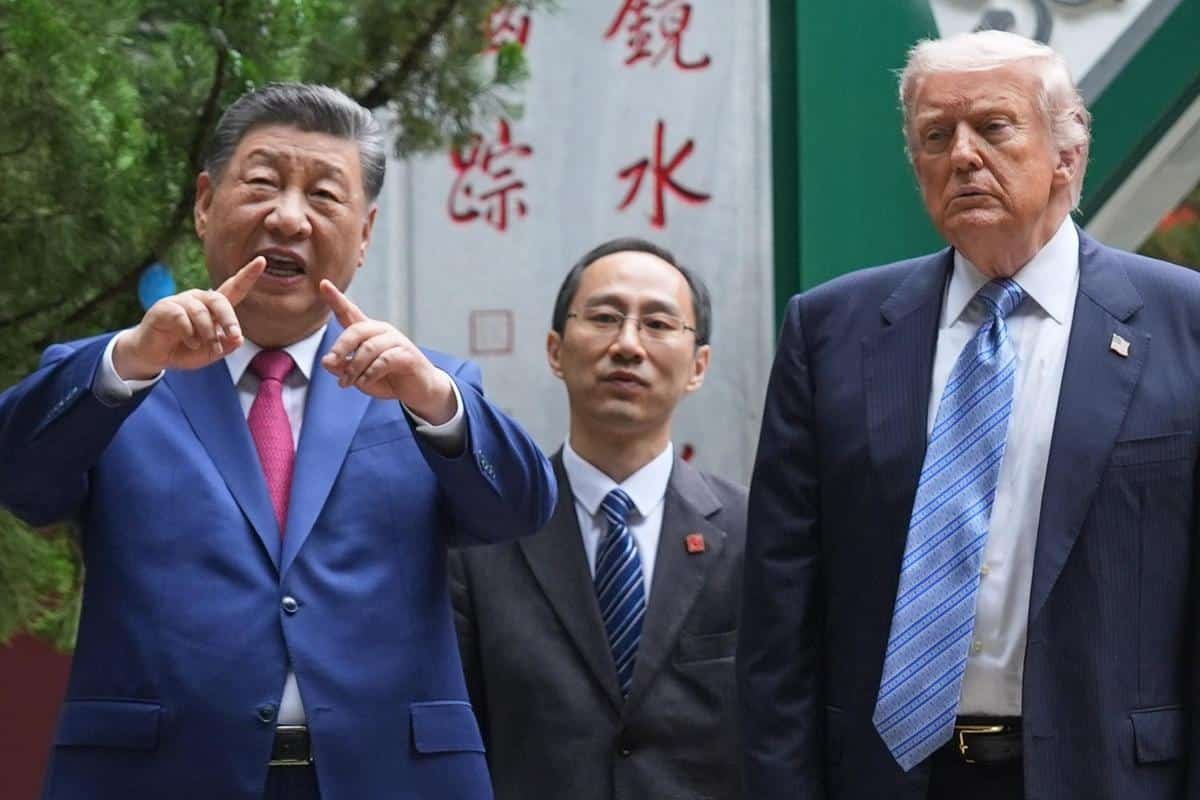





United States President Donald Trump concluded his state visit to China on Friday, touting “fantastic trade deals” with Chinese President Xi Jinping. The visit, aimed at strengthening economic ties and addressing geopolitical differences, saw Trump engaging in extensive talks with Xi, whom he described as a “great leader” and “friend.”
— Rapid Response 47 (@RapidResponse47) May 14, 2026
Trump’s visit sought to secure agreements in key sectors like agriculture, aviation, and artificial intelligence, while also addressing sensitive issues such as the Middle East and Taiwan. While Trump emphasized the positive outcomes, including solving “a lot of different problems,” details of the specific trade deals remained vague.
Xi Jinping acknowledged the visit as a “milestone,” emphasizing the establishment of a “new bilateral relationship” characterized by “constructive strategic stability.” He also promised to gift Trump seeds for the White House Rose Garden, a symbolic gesture of goodwill.
Key Takeaways from the Visit
- Trade: Trump claimed “fantastic trade deals” were secured, but specifics were not immediately disclosed. He mentioned a potential purchase of “200 big” Boeing jets by China, along with interest in US oil and soybeans. Market reaction to the Boeing announcement was lukewarm, suggesting expectations for a more substantial deal.
- Iran: Trump stated that Xi assured him China would not provide military aid to Tehran and expressed a willingness to help keep the Strait of Hormuz open. The Chinese Foreign Ministry called for a “comprehensive and lasting ceasefire” in the Middle East and the reopening of shipping lanes.
- Taiwan: Xi Jinping reportedly warned Trump that missteps on Taiwan could lead to “conflict.” US officials reaffirmed that US policy on Taiwan remains unchanged.
- Artificial Intelligence: Discussions included setting up “guardrails” for the use of artificial intelligence, though US export controls on advanced AI technology to China remain a point of contention.
- Geopolitical Context: Xi referenced the “Thucydides Trap,” suggesting the potential for conflict between a rising power (China) and an established power (the US). Trump responded by claiming the US is not a nation in decline under his leadership, contrasting it with the previous administration.
Critical Analysis
While the visit was framed as a success by both sides, several aspects warrant closer scrutiny:
- Vagueness of Trade Deals: The lack of specific details regarding the claimed “fantastic trade deals” raises questions about their actual scope and impact. The market’s subdued reaction to the Boeing announcement suggests potential overstatement or unmet expectations.
- Taiwan Tension: The reported warning from Xi regarding Taiwan underscores the continued sensitivity of this issue and the potential for escalation. Despite US assurances of policy continuity, the underlying tensions remain.
- AI Competition: The discussion of AI “guardrails” highlights the growing importance of this technology in the US-China relationship and the potential for both cooperation and competition. The continued export controls on advanced AI chips suggest a cautious approach by the US.
- Geopolitical Rivalry: Despite the attempts at fostering goodwill, the “Thucydides Trap” reference underscores the underlying geopolitical rivalry between the two nations. Trump’s response, focusing on his own leadership and the supposed decline of the previous administration, reflects a tendency to personalize international relations.
- Limited Tangible Outcomes: Beyond the symbolic gestures and vague promises, the visit yielded few concrete, measurable outcomes. This raises questions about the true effectiveness of the summit in addressing the complex and multifaceted challenges facing the US-China relationship. While the visit aimed to improve relations and secure economic advantages, the long-term implications remain uncertain. The success of the “fantastic trade deals” will depend on their implementation and impact.