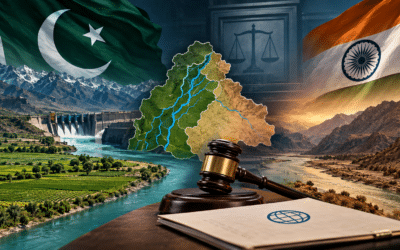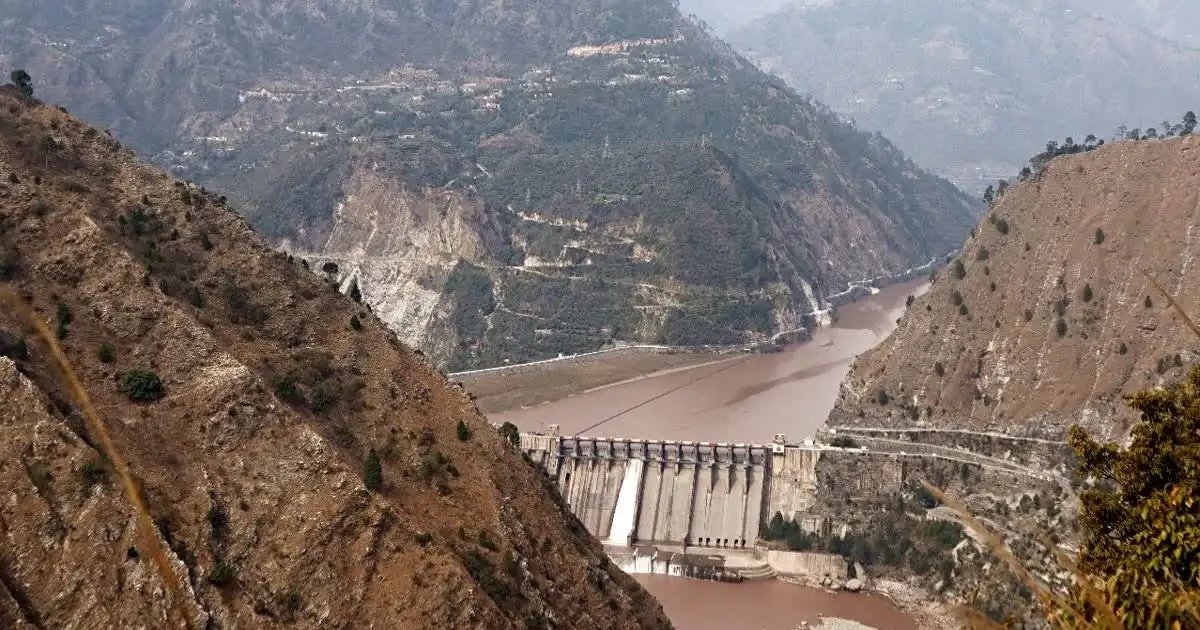





India has officially granted final approval for the construction of the Dulhasti Stage II hydropower project on the Chenab River in Jammu and Kashmir. The move has ignited significant geopolitical tension, with experts and regional stakeholders describing the project as a direct violation of the long-standing Indus Waters Treaty (IWT).
In flagrant violation of the #IndusWatersTreaty (IWT), India has just given approval to the Dulhasti Stage-II hydropower project on Chenab River in the Indian Illegally Occupied Jammu and Kashmir (IIOJ&K). As per the IWT, which cannot be unilaterally revoked, as recent UN… pic.twitter.com/PK1wDw8g2g
— SenatorSherryRehman (@sherryrehman) December 29, 2025
Project Specifications and Timeline
The project, which is set to be developed by India’s state-owned NHPC Limited, is expected to generate 260 megawatts (MW) of electricity. Estimated at a cost of 327.745 billion Indian rupees, construction is slated to begin in early 2026.
Notably, Stage II will utilize the existing infrastructure of the 390-MW Dulhasti Stage I project, which was completed in 2007. This includes the shared use of the current dam, reservoir, and power intake systems under a run-of-the-river scheme.
You May Like To Read: Pakistan Joins OIC, and Rejects Israel’s Recognition of Somaliland
Legal and Strategic Implications
The Chenab River is one of the three “Western Rivers” allocated to Pakistan under the 1960 Indus Waters Treaty. Strategic analysts warn that the project poses several risks:
- Treaty Violations: Critics argue that the approval contradicts the spirit of the IWT, particularly following New Delhi’s recent announcement regarding the unilateral suspension of the treaty.
- Strategic Vulnerability: From a defensive perspective, control over the flow of the Chenab provides India with significant upstream leverage, which experts suggest could be used to impact Pakistan’s water security during critical periods.
- Regional Instability: The project is situated in a highly sensitive and disputed territory, further complicating diplomatic relations between the two nuclear-armed neighbors.
International Context
The approval comes at a time of heightened regional sensitivity. While India maintains that the run-of-the-river project is within its rights for “non-consumptive” use, Pakistan has historically raised objections to such structures, citing concerns over storage capacity and flow manipulation.
As of today, Islamabad has yet to issue a formal diplomatic protest, though water experts in Pakistan are urging the government to take the matter to the Permanent Indus Commission or the World Bank for arbitration.
Check out our latest video: