


There are now an estimated 1.4 million to 1.5 million registered Afghan refugees and an estimated up to 3 million, including unregistered people, in Pakistan since August 2021, when the Taliban took over in Afghanistan. This has been a strain on the Pakistani infrastructure and the Pakistani governance, particularly in the border-hosting states, Khyber Pakhtunkhwa and Balochistan. With increased pressure of humanitarian needs, Fitna-al-Khawarij (FAK) have exploited them and penetrated refugee camps to carry out cross-border attacks as well as radicalisation missions.
This article examines the disguise of the FAK as refugees, the formation of sleeper cells, and the use of low-income communities, a major challenge to the security of the country and the humanitarian system.
Fitna-al-Khawarij (FAK) Operational Footprints among Refugees:
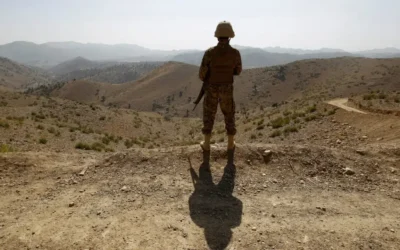
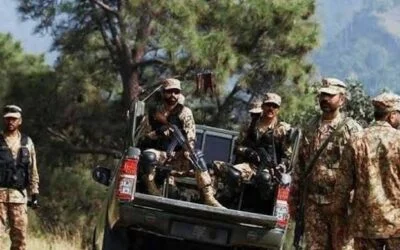
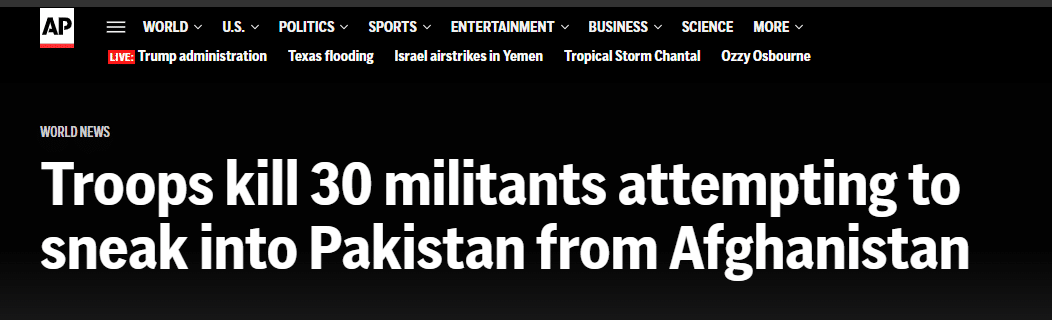
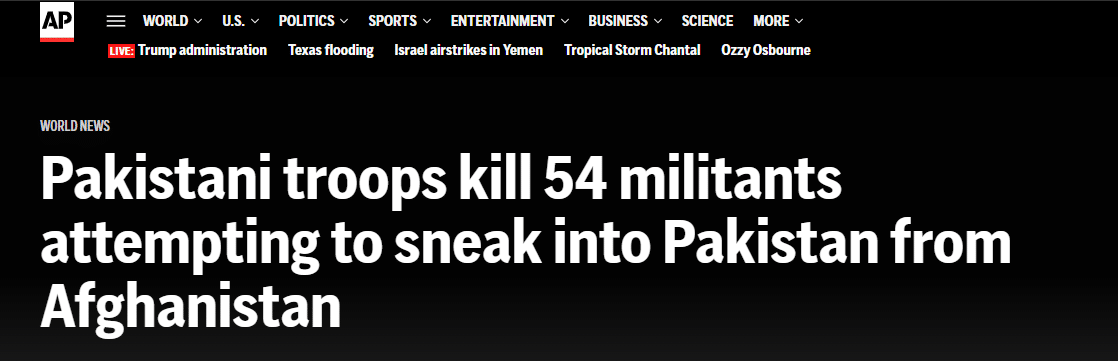
FAK militants have taken advantage of the porous border of Pakistan on the West and entered the country through places like North Waziristan by smuggling themselves in the guise of Afghan refugees, successfully evading detection. The Pakistani army defeated 30 such infiltrators in July 2025; there was also a similar attack during April, when 54 militants were killed in that region. As per military sources, these combatants were armed and ready to be utilised within Pakistan. This has put a strain on Pakistan-Afghan diplomacy, and time and again, Islamabad has asked Kabul to ensure Afghanistan cannot be used as a staging ground by militants.
Insert screenshots of these headlines
Once there, the FAK operatives go underground in the refugee camps, many of them unofficially monitored. These camps, which are usually ad hoc and harbour a shortage of manpower, give the militants a source of anonymity and exposure to vulnerable populations. Some camps are now known to have turned into secret bases, where rebels can regroup, hold weapons, and lay out plans in advance, according to the UN monitors and the Pakistani intelligence.
If a government is weak or cannot control aid or provide good security, it creates a perfect place for secret militant groups to form sleeper cells and recruit the already vulnerable population. This disguised integration makes counter terrorism activities hard because security personnel can hardly tell the difference between real refugees and rebels in the same neighbourhoods.
The FAK recruiters have a methodical approach toward ideologically indoctrinating young refugees. Unregulated religious schools and madrassas are mostly conducted in the refugee camps. These camps and the ideological institutions therein—madrassahs and schools—are not controlled. Thus, the militants inject extremist narratives discreetly.
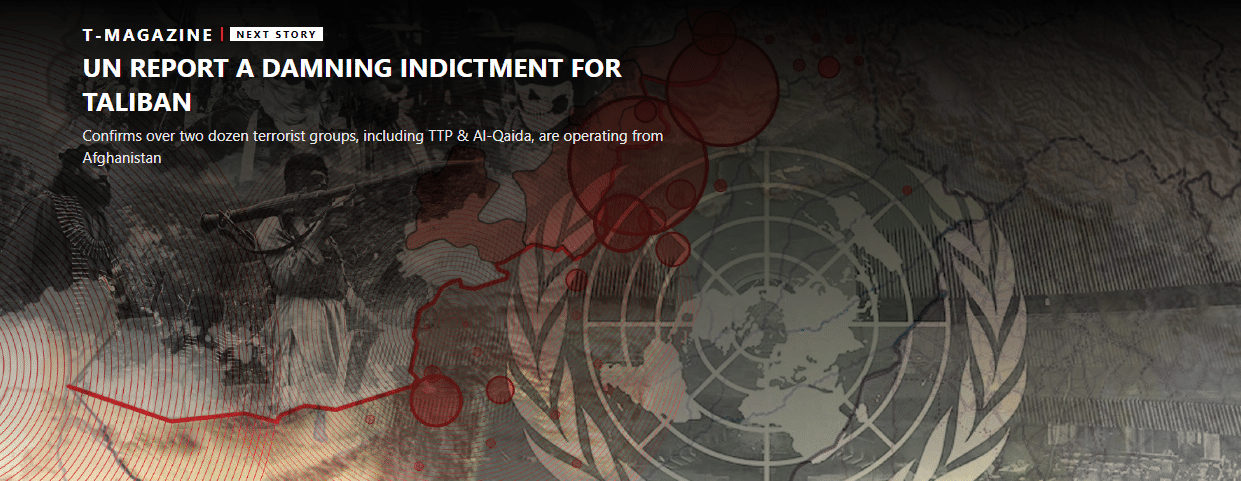
In 2025, a UN panel statement affirmed that FAK training camps have thrived in the provinces of Kunar, Nangarhar, Khost, and Paktika, in addition to the work of radicalising within Afghanistan. It has been reported that the number of Afghan nationals in FAK has been consistently increasing, signifying how successful the militants have been in infiltrating refugee pools to recruit them. This ideological pipeline increases the threat of future terrorist attacks on the refugee communities.
The situation is economically precarious for the many refugees who are undocumented and have no formal rights to employment. Others succumb to the hands of FAK due to a lack of help, poor educational opportunities, or legal means of earning a living. Terrorists take advantage of this weakness and promise them financial support, shelter, or belongingness in exchange for cooperation or active cooperation.
Poor economic situation among refugee populations in Pakistan has had a direct relationship with the recruitment of militants. Families below the poverty line are mostly forced or manipulated into offering logistic support to them in terms of safe houses and on watch duty, which makes civilians involuntary accomplices to the terrorist activities.
More than indoctrination, several recruited refugees are commissioned with specific illegal tasks such as the transport of weapons and organising attacks, as well as intelligence against security patrols. In the refugee-related cases, Pakistani counterterror reports have linked the attackers of several attacks—such as bombings and ambushes of law enforcement agencies in Khyber Pakhtunkhwa and Balochistan—to the refugee-associated individuals. This invisible working layer in the refugee settlement is a great challenge to the counterterror agencies, who have the arduous task of distinguishing between innocent refugees and militant operatives.
Security Implications on State
The results have been catastrophic. In 2024, the level of violence was at the highest level in years as more than 2,500 people were killed due to terrorist attacks, a large number of which were blamed on the FAK associates in Afghanistan. Regular bombings, shootings, and IED attacks, like a real side attack in Bajaur in July and a massive deployment in Kashmir in May, are common around refugee camps.
Civilian-militant blurring exacerbating mistrust of refugees. Intelligence authorities caution that the blending of civilians with militants worsens the suspicion towards the refugees and puts the enforcers into ineffectiveness. Intra-regional politics have been on the rise, and poor relations between Islamabad and Kabul have complicated cross-border security efforts.
Policy Recommendations & Way Forward
To curb such exploitation by FAK using refugees, Pakistan will have to strengthen biometric registration and intensive screening of the borders and camps for infiltration by militants. The presence of security zones should be strengthened around refugee camps with the assistance of vetting non-governmental agencies and external actors. Legal work permits, education, and on-the-job training are socioeconomic means through which the vulnerability to radicalisation can be diminished. Information sharing with the Afghan authority and UN Monitoring is crucial in interfering with cross-border sanctuaries. The crisis requires a balanced strategy that would protect national security and humanitarian commitments.