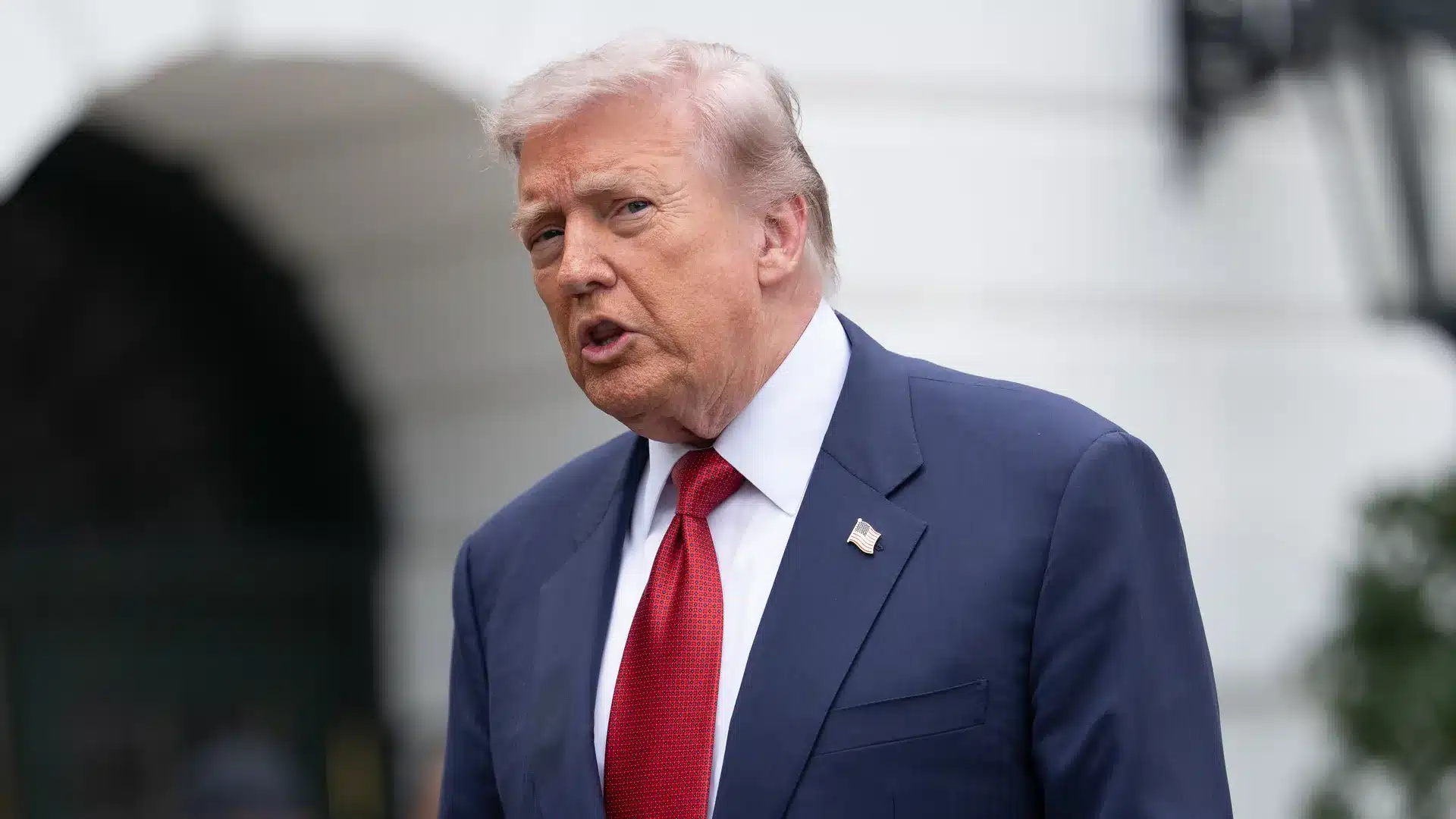



In a surprising turn of events, President Donald Trump announced he has decided to hold off on a planned military attack against Iran, reportedly at the request of Gulf state leaders. The announcement comes amidst ongoing tensions and fragile ceasefire following weeks of conflict.
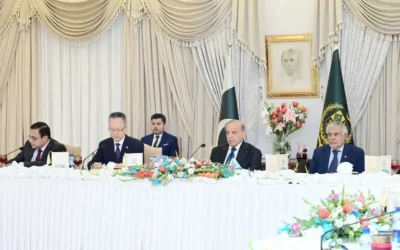
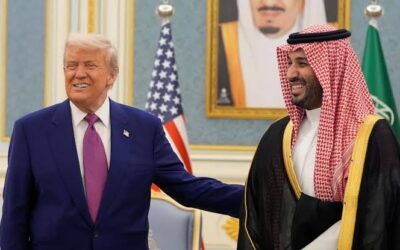
Trump revealed on his Truth Social platform that “serious negotiations” are now underway with Iran, suggesting Gulf states are optimistic about reaching a deal. He credited Saudi Arabia, Qatar, and the UAE with persuading him to halt the planned attack, initially slated for Tuesday. However, Trump emphasized that the US remains prepared for a “full, large-scale assault of Iran” should negotiations fail.
— Rapid Response 47 (@RapidResponse47) May 18, 2026
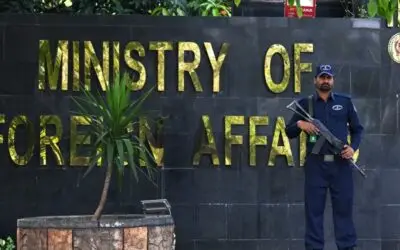
Earlier in the day, Iran confirmed it had responded to a new US proposal aimed at de-escalating the conflict. Foreign Ministry spokesman Esmaeil Baqaei stated that Iranian concerns had been conveyed to the American side, with ongoing exchanges facilitated by Pakistan.
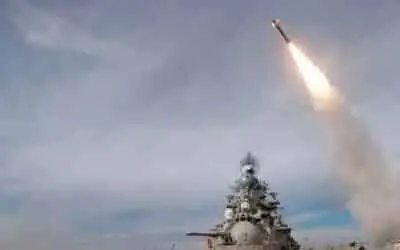
This development follows a period of heightened military activity in the region, including the deployment of significant US naval assets, such as the USS Abraham Lincoln and USS George H.W. Bush aircraft carriers, in support of Operation Epic Fury. Reports also indicate that Ben Gurion Airport in Israel is operating as a mixed military-civilian base, accommodating numerous US refueling and military aircraft.
Key Points of Contention and Potential Compromises
Iran has reiterated its demands for the release of frozen assets and the lifting of long-standing sanctions, conditions previously defended by Baqaei as non-negotiable. The US has seemingly softened its stance by agreeing to release a portion of Iran’s frozen funds held in foreign banks.
Furthermore, reports suggest Washington is showing increased flexibility regarding Iran’s peaceful nuclear activities, potentially allowing them to continue under the supervision of the International Atomic Energy Agency (IAEA). There are also claims that the US has accepted waiving oil sanctions on Iran during negotiations.
In a noteworthy development, Iran has established the Persian Gulf Strait Authority (PGSA) to oversee traffic through the Strait of Hormuz. While the exact functions of the PGSA remain unclear, it signals Iran’s intent to assert greater control over this critical waterway.
Critical Analysis
While Trump’s decision to hold off the attack offers a glimmer of hope for de-escalation, the situation remains precarious. Several factors warrant careful consideration:
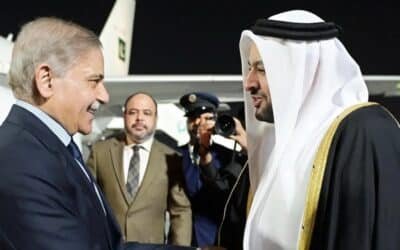
- The Gulf States’ Role: The intervention of Saudi Arabia, Qatar, and the UAE highlights their significant influence in mediating the conflict and their desire to avoid further escalation.
- Negotiating Leverage: The US decision to potentially release frozen assets and ease sanctions suggests a willingness to compromise, but it remains to be seen whether these concessions will be enough to satisfy Iran’s demands.
- Strait of Hormuz Control: The creation of the PGSA raises concerns about freedom of navigation and potential disruptions to global oil supplies. This could be a major sticking point in future negotiations.
- Iranian Demands: Iran’s insistence on war reparations and the complete lifting of sanctions could prove difficult for the US to accept.
The coming days and weeks will be crucial in determining whether the “serious negotiations” touted by President Trump can lead to a lasting resolution or if the region will once again teeter on the brink of war.