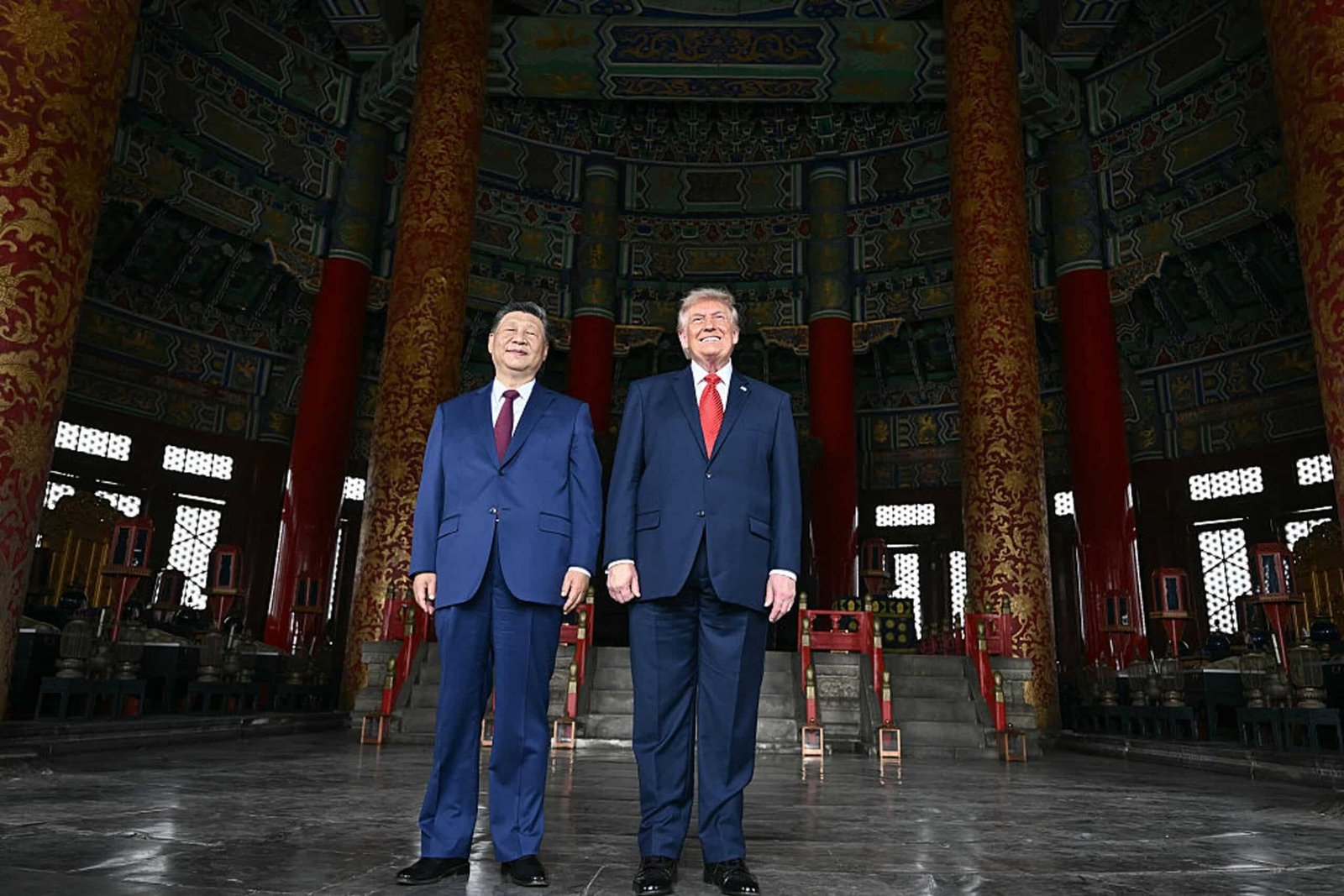

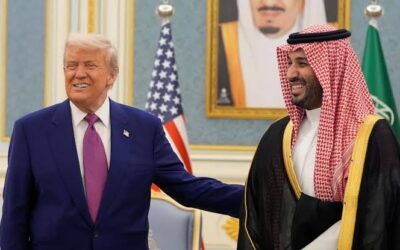



President Donald Trump’s recent visit to Beijing concluded without the anticipated breakthroughs, highlighting a widening strategic chasm between the United States and China. Despite outward displays of cordiality, the summit underscored the increasing difficulty in translating high-level dialogue into meaningful cooperation on critical issues such as Iran, Taiwan, and technology.
WATCH IN FULL: President Donald J. Trump’s interview with @BretBaier in Beijing pic.twitter.com/tCTPvZZayG
— Rapid Response 47 (@RapidResponse47) May 16, 2026
Transactional Ties Take Center Stage
Analysts had cautioned against expecting a significant reset in US-China relations, suggesting a shift toward a more transactional dynamic focused on leverage rather than compromise. The summit’s outcome appeared to validate this assessment.
Iran: A Point of Contention
Iran emerged as a key point of divergence. The US had hoped China, with its significant economic influence over Tehran, would encourage de-escalation. However, Chinese responses remained cautious, with official statements offering only general calls for restraint and regional stability, lacking concrete commitments to pressure Iran or alter its economic engagement.
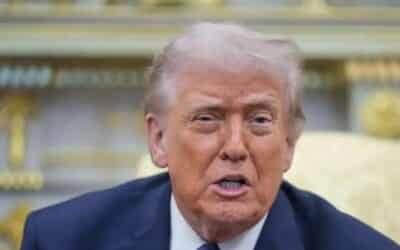
Trump’s post-Beijing remarks, suggesting China would “automatically” pressure Iran, seemed to rely more on assumption than negotiated agreement. His consideration of easing sanctions on Chinese companies purchasing Iranian oil further complicated the picture.
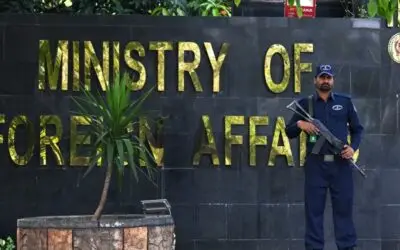
China’s Foreign Ministry reiterated its long-standing position on the need for a ceasefire in Iran and the importance of keeping the Strait of Hormuz open, signaling continuity rather than policy change.
Taiwan: A Core National Interest
Taiwan remained the most sensitive issue. President Xi Jinping warned that mishandling the Taiwan question could jeopardize bilateral relations, reaffirming China’s view of Taiwan as a core national interest. Despite the US reiterating its unchanged policy toward Taiwan, Trump’s ambiguous stance on a proposed arms package introduced further uncertainty.
Trade and Technology: No Breakthroughs
The summit failed to advance cooperation in trade or technology, despite optimistic rhetoric. No formal agreements were announced, and longstanding disputes involving tariffs, supply chains, and technology restrictions remained unresolved.
Framing the Relationship: Compatibility vs. Confrontation
President Xi framed the relationship in historical terms, suggesting China’s “great rejuvenation” and “making America great again” could proceed in parallel. However, this framing did little to bridge the gap between the two countries’ strategic priorities.
Critical Analysis: Diplomacy as Expectation Management
The summit revealed a growing disconnect between diplomatic style and strategic substance. While high-level engagement remains valuable for signaling stability and preventing escalation, the scope for compromise appears limited. Both sides remain committed to core interests that are fundamentally incompatible, particularly regarding Taiwan and regional influence.
The broader implication is that summit meetings now serve primarily to manage expectations, reduce tensions, and maintain communication in an increasingly competitive environment, rather than producing significant agreements.