

New Delhi’s Return to Kabul
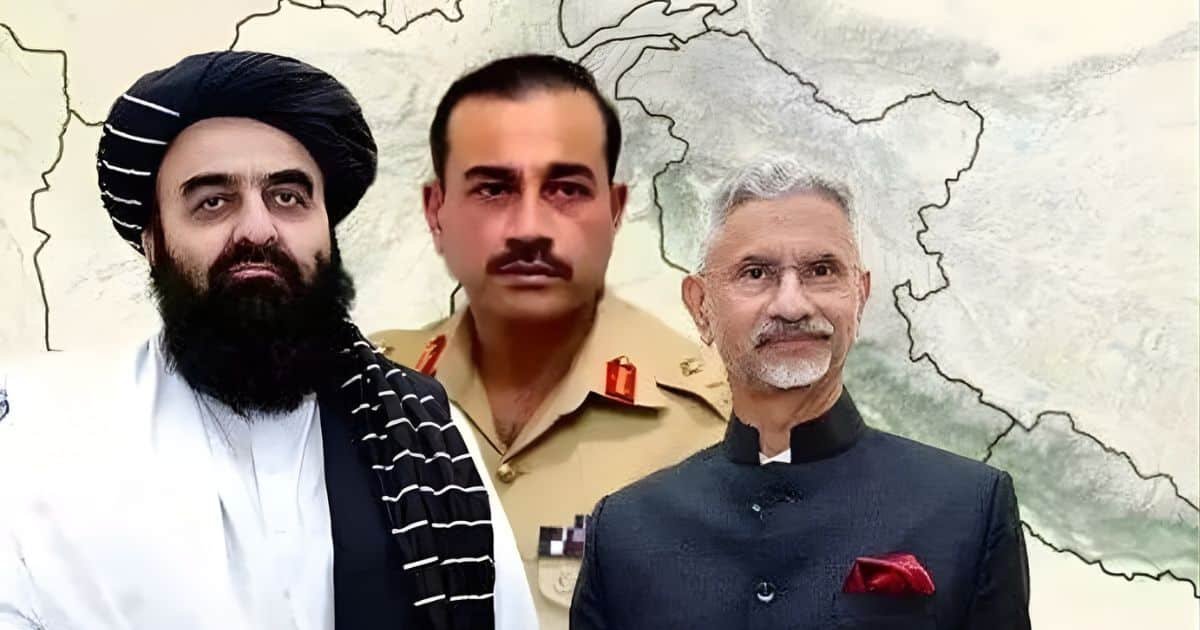
India’s decision to upgrade its mission in Kabul and reopen a full embassy, together with high-level visits by Taliban leaders to New Delhi, marks a clear recalibration in New Delhi’s Afghanistan policy. For Pakistan, these moves are more than diplomatic formality, they come at a time of growing violence along the Durand Line and rising anxiety about how regional alignments will reshape border security, trade corridors and Pakistan’s diplomatic space. Recent reporting shows India is upgrading its Kabul presence and hosting Taliban ministers, while both countries publicly stress economic engagement.
You May Like to Read: Taliban-Pakistan Border Clashes Escalate, Dozens Reported Dead Amid Rising Tensions
India’s Strategic Motives
India’s renewed engagement with Afghanistan is driven less by goodwill and more by strategic calculation. Analysts note that New Delhi is attempting to safeguard its past investments, including the Afghan parliament building and Salma Dam, mainly to maintain influence rather than to serve Afghan development. More importantly, India’s push to revive the Zaranj–Delaram highway and link it with Iran’s Chabahar Port is viewed in Pakistan as a deliberate effort to bypass Pakistani transit routes and undermine its role as the key gateway to Central Asia. Security experts in Pakistan also highlight that India’s growing presence in Kabul aims to reduce Islamabad’s strategic depth and possibly gather intelligence near Pakistan’s western frontier. This perceived encirclement reinforces Pakistan’s concerns over regional stability and cross-border security.
You May Like to Read: India and United Kingdom Sign £350 Million Missile Deal to Strengthen Defense Partnership
Pakistan’s Security Concerns
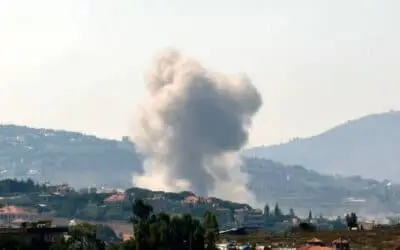
For Pakistan, the timing is sensitive. Islamabad faces a twofold challenge: managing an immediate security threat along the Durand Line and coping with the strategic consequences of greater India-Afghanistan proximity. Violence on the frontier has surged in recent weeks, with deadly cross-border exchanges and closures of major crossings. Recent intense clashes, mutual accusations, and the temporary shutdown of key border points, developments that complicate both military operations and normal trade and travel. Casualty figures differ between sources and claims; what is clear is the sharp deterioration in daily life and commerce in border districts.
You May Like to Read: Pakistan Vows Continued Action to Secure Borders Amid Surge in Terrorist Violence
The Durand Line Dilemma
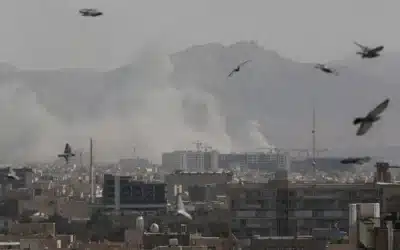
The security implications are immediate. Pakistan’s authorities worry that a closer India–Afghanistan relationship will erode Islamabad’s leverage inside Afghanistan and could enable India to gather intelligence or support groups that Islamabad considers hostile. Even absent overt Indian interference, the simple fact of Indian development and diplomatic activity in Kabul changes local power balances in border provinces where militant groups operate and where loyalties are fluid. That matters on the ground: cross-border militancy, sheltering of proxy groups, and episodes of tit-for-tat strikes can rapidly escalate into wider confrontation. Recent reports of airstrikes and targeted operations in Afghan cities, and subsequent retaliatory attacks, have already raised the risk of spillover.
You May Like to Read: The Durand Line Under Duress: Terror’s Silent Grip on Border Communities
Trade Routes and Economic Stakes
Economically, renewed India–Afghanistan ties also threaten to reshape trade routes. Pakistan has long been concerned that alternative corridors through Iran and Central Asia, which India supports, will sideline Pakistan as a transit state. The Zaranj–Delaram link to Chabahar, if maintained and developed, offers New Delhi a way to reach Central Asian markets without relying on Pakistani soil. That reality places pressure on Islamabad to protect and modernize its own corridors, and to offer a stable, competitive route, something hard to do while security along the western border remains fragile.
Diplomatic Tightrope for Pakistan
Diplomatically, Pakistan’s room for manoeuvre narrows as regional actors recalibrate. India’s reopening of a full embassy and receiving Taliban officials signals to many states that engaging Kabul is a practical priority, even if full recognition remains rare. Pakistan, which has its own complex and often fraught ties with Taliban-ruled Kabul and with anti-state groups such as the Tehreek-i-Taliban Pakistan (TTP), must balance cooperation with Afghan authorities on counter-terrorism while pushing back against any perceived sanctuaries for militants. The recent spike in border incidents has already prompted calls from regional mediators and Gulf states for restraint and diplomacy, underlining how quickly local clashes invite broader regional concern.
You May Like to Read: The Double Standard of International Law: Why Preemptive Strikes Remain Illegal Yet Justified by Superpowers
Policy Options for Pakistan
What should Islamabad do? First, Pakistan needs calibrated, professional diplomacy, urgent channels with Kabul, but also parallel engagement with New Delhi to ensure transparency about India’s projects and intentions. Second, Islamabad must press for clear mechanisms to prevent militants from exploiting border gaps: joint border management, credible intelligence sharing, and confidence-building measures can reduce accidental escalation. Third, Pakistan should work with regional platforms, Iran, Gulf mediators, and multilateral donors, to align economic incentives that make stability along the Durand Line more valuable than confrontation. Recent international concern and offers to mediate underline that third parties have leverage if Islamabad chooses to use it.
Conclusion: Managing Competition, Preventing Crisis
In the end, India’s renewed proximity to Afghanistan is a fact that shifts balance in South Asia but does not inevitably spell disaster for Pakistan. What will matter is how Islamabad manages security, preserves legitimate national interests, and uses diplomacy to convert competition into predictable, rule-bound interaction rather than reciprocal destabilization. The immediate need is simple: stop the bleeding on the border, reopen lines of communication, and steer the strategic rivalry into institutional channels, before localized clashes harden into a wider regional crisis.