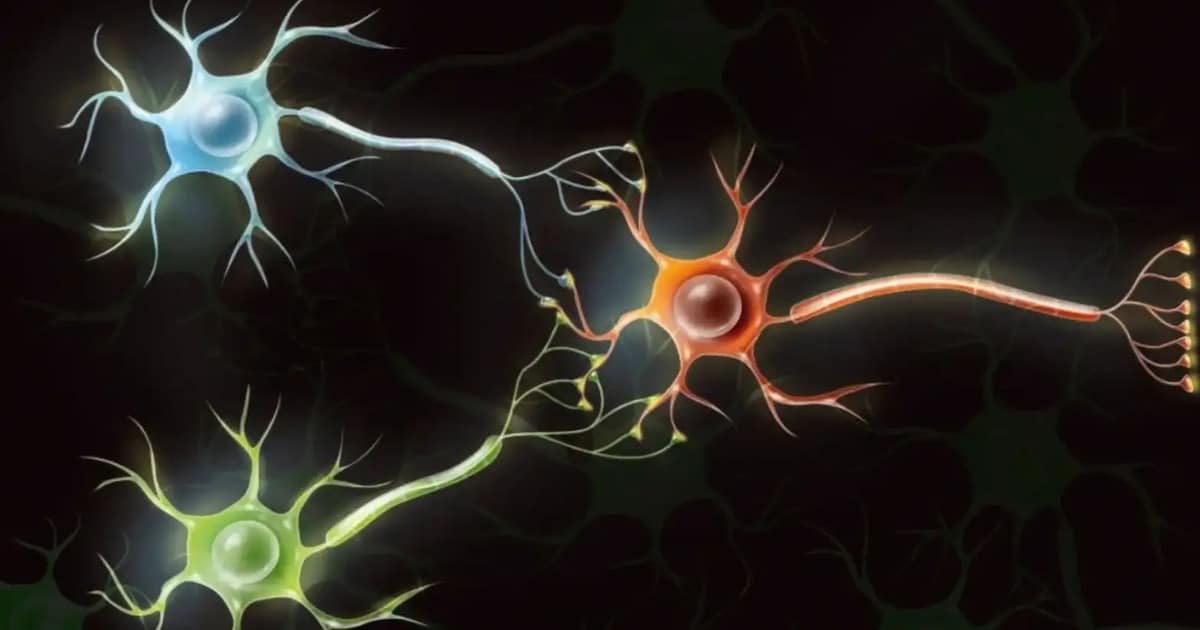





Scientists are rapidly moving toward realizing biocomputers, computational hardware constructed from living human brain cells, offering a massive leap in power efficiency over traditional silicon chips.
The process involves growing neurons from stem cells into tiny, three-dimensional clusters called organoids, which are then connected to electrodes to perform computational tasks using dramatically less energy; the human brain operates on under 20 watts while matching the speed of supercomputers that require a million times more power.
Biocomputing Breakthrough
Scientists have started building “biocomputers” using tiny clusters of lab grown human brain cells.
These mini brains, called organoids, can learn and process information in ways silicon chips can’t. In early tests, they even handled simple speech… pic.twitter.com/iWBxAoZaZu
— SciTech Era (@SciTechera) December 5, 2025
Currently, this novel technology is only capable of simple activities, such as the 2022 feat by Cortical Labs where cultured neurons were successfully taught to play the classic game Pong, or the recent system used by a University of Bristol team to recognize Braille letters.
The field, which began nearly 50 years ago, has intensified since the 2013 breakthrough of brain organoids, leading to high-profile commercial ventures like FinalSpark, which offers remote organoid access for AI research, and academic ambitions, such as UC San Diego’s proposal to use organoids to predict the Amazon oil spill by 2028.
You May Like To Read: Indonesian President Subianto to Visit Pakistan to Deepen Ties
However, the rapid commercialization has sparked urgent ethical challenges and calls for updated governance, as current frameworks treat organoids only as biomedical tools, while experts debate terminology like “organoid intelligence” and assure that current systems are not close to being conscious.