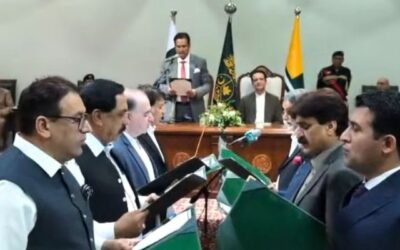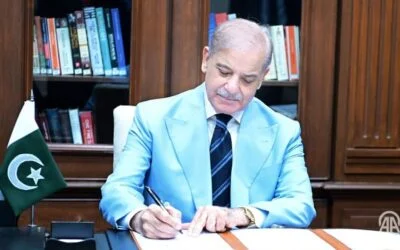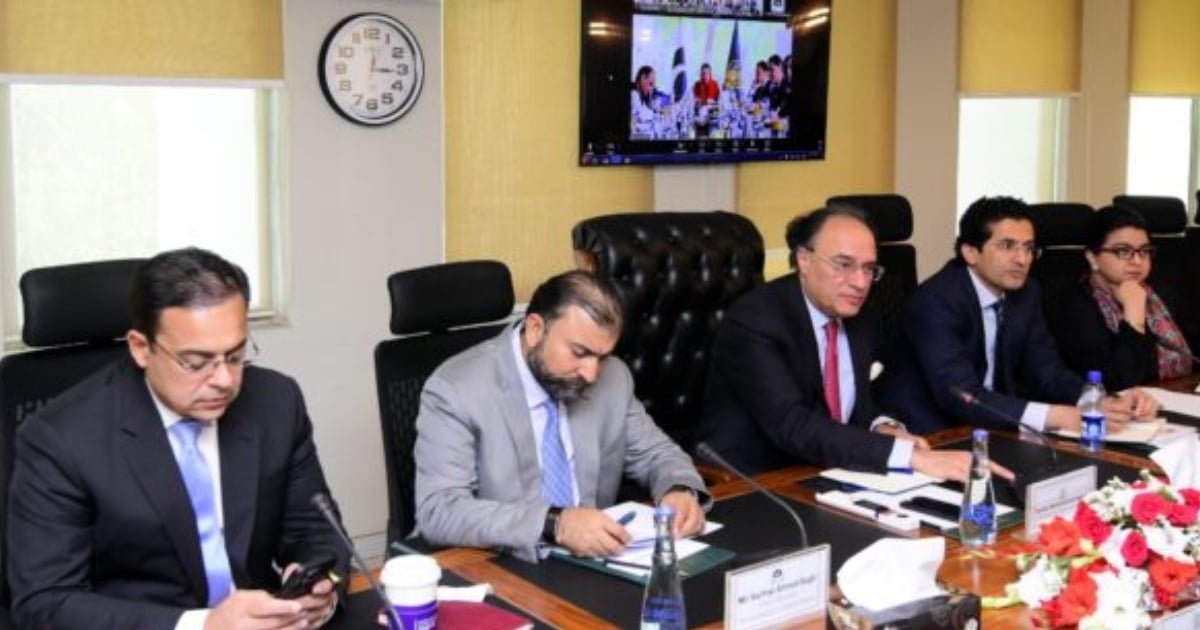





In a coordinated effort to mitigate the impact of the US-Israel-Iran war on the domestic economy, the federal and provincial governments have agreed on a landmark working framework for a targeted petroleum subsidy mechanism. The agreement was reached during a high-level meeting on Tuesday at the Finance Division, chaired by Finance Minister Muhammad Aurangzeb and attended by the chief ministers of all four provinces.
The move marks a strategic shift from generalized subsidies toward a data-driven, technology-led support system aimed at protecting the country’s most vulnerable segments while maintaining fiscal discipline.
Federal, Provincial Leadership Deliberate on Petroleum Pricing and Targeted Subsidies
A high-level meeting involving the Federal Government and the top political leadership of the provinces on petroleum prices and targeted subsidy modalities was held today at the Finance… pic.twitter.com/g9GX3dtUC9
— Ministry of Finance, Government of Pakistan (@Financegovpk) March 31, 2026
As global crude oil prices hit two-year highs due to Middle East supply chain disruptions, the government is moving away from broad-based subsidies that often benefit the affluent.
-
Mechanism Design: The new framework will leverage existing databases (such as BISP/PMP), digital platforms, and cash transfer systems to ensure relief reaches deserving beneficiaries directly.
-
Provincial Role: While a national approach has been established, provincial governments will have the flexibility to execute the subsidies based on their specific administrative capacities and socioeconomic data.
-
Transparency: The Finance Ministry emphasized that the system would prioritize accountability and effective governance to minimize market distortions.
To fund these relief measures, the government has shifted the economic burden onto the wealthiest consumers:
-
The High-Octane Surge: Last week, the government approved a Rs200 per litre increase in the fuel levy for high-octane blending component (HOBC), used primarily in luxury vehicles.
-
Current Pricing: This has raised the total levy to Rs300 per litre, bringing the price of high-octane fuel to approximately Rs600 per litre.
-
Fiscal Savings: This measure is expected to generate Rs9 billion per month, which Prime Minister Shehbaz Sharif has directed be utilized specifically for public relief programs.
The subsidy framework arrives exactly 25 days after the massive March 7 price hike, where petrol and diesel surged by Rs55 per litre (20%).
-
Global Context: Finance Minister Aurangzeb noted that the government had absorbed the burden of rising international costs on two occasions—allocating Rs125 billion through development budget cuts—before being forced to pass on the minimum effect to consumers.
-
Austerity Measures: In tandem with the subsidy plans, the government has implemented strict austerity protocols, including:
-
An additional weekly holiday.
-
Curbs on protocol vehicles and a reduction in free petrol for ministers.
-
Proposals for subsidized fuel specifically for students and small-scale farmers.
-
The meeting was attended by Chief Minister Maryam Nawaz Sharif (Punjab), Syed Murad Ali Shah (Sindh), Mir Sarfraz Ahmed Bugti (Balochistan), and Finance Minister Muzzammil Aslam (KP).
-
Next Steps: Provinces will now refine their individual proposals to reach a “consensus-based and practical solution” for the rollout.
-
Weekly Reviews: The government has moved to a weekly review of petroleum prices to stay responsive to the volatile situation in the Strait of Hormuz and the broader Gulf conflict.
You May Like To Read: King Charles to Proceed with “Humiliation” US State Visit Amid Iran War
Check out our latest video: