




United Nations economic and military sanctions are scheduled to be reimposed on Iran at 00:00 GMT on Sunday, following the collapse of diplomatic efforts to resolve breaches of the 2015 nuclear accord. This marks the culmination of a “snapback” mechanism triggered after European nations accused Tehran of failing to meet its nuclear commitments.
The sweeping measures, originally lifted under the Joint Comprehensive Plan of Action (JCPOA), are expected to significantly increase strain on Iran’s economy and its international relations.
All UN sanctions on Iran are set to be reimposed on Saturday after a Russian-Chinese bid to delay them failed at the UN Security Council.
The UK, France and Germany pushed to reinstate the sanctions as Tehran warns the West will bear responsibility for any fallout. pic.twitter.com/msOl3XGnbs
— Al Jazeera English (@AJEnglish) September 27, 2025
Triggering the Snapback
The process was initiated last month when the UK, France, and Germany (E3) formally wrote to the UN Security Council, citing Iran’s progressive breaches of the nuclear deal following the US withdrawal in 2016. This action commenced a 30-day period for a diplomatic resolution to avert the renewal of sanctions.
A last-ditch effort led by China and Russia to pass a resolution delaying the re-imposition by six months was defeated, receiving only four votes in the 15-member Security Council, clearing the path for the full return of UN penalties.
Iran Condemns Sanctions as ‘Unjust’
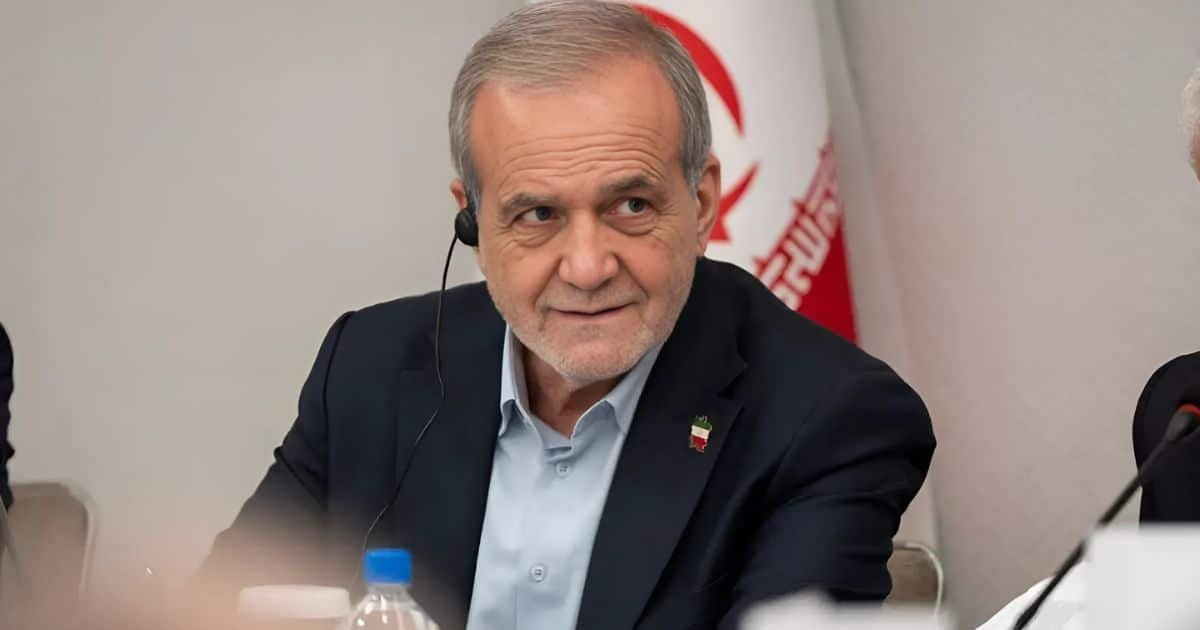
Iranian President Masoud Pezeshkian condemned the incoming international sanctions this week at the UN, labeling the move as “unfair, unjust, and illegal.” While insisting his country would never seek to build a nuclear weapon, the President accused foreign powers of seeking a “superficial pretext to set the region ablaze.”
In a key development for future talks, President Pezeshkian stated that Tehran would require reassurances that its nuclear facilities would not be attacked by Israel in order to normalize its nuclear enrichment program. He reiterated Iran’s commitment to the Non-Proliferation Treaty (NPT) despite previous threats to quit.
The President also pointed to previous negotiations with the US, accusing American officials of not taking the talks seriously before Israeli and US forces struck several Iranian nuclear and military sites in June.
You May Like To Read: Pakistan’s Climate Diplomacy Front: A Foreign Policy Redefined
Scope of Reimposed Sanctions
The returning UN sanctions package is comprehensive and far-reaching, targeting critical sectors of the Iranian economy and military development:
- Arms Embargo: A complete ban on the sale or transfer of certain military hardware to and from Iran.
- Uranium Enrichment Ban: Prohibition on activity connected to the enrichment of uranium beyond agreed limits.
- Ballistic Missile Restrictions: A ban on activities related to ballistic missiles capable of delivering nuclear weapons.
- Asset Freeze and Travel Ban: Imposition of a freeze on assets and a travel ban on specified Iranian figures and entities.
- Cargo Inspection Authorization: Authorization for member countries to inspect cargo carried by Iran Air and Iran Shipping Lines.
You May Like To Read: President Trump Convenes High-Level Policy Meeting on Gaza Crisis
Diplomatic Fallout and Nuclear Watchdog Cooperation
The return of sanctions follows unsuccessful efforts by European foreign ministers, who had urged Iran to resume negotiations with the US, cooperate fully with the International Atomic Energy Agency (IAEA), and account for its highly enriched uranium stockpile.
Speaking at the UN, Iranian Foreign Minister Abbas Aragchi delivered a stinging critique of Western diplomacy, stating: “The United States has betrayed diplomacy, but it is the E3 (Britain, Germany and France) which have buried it,” adding that negotiation with the United States is “a pure dead end.”
In a critical counterpoint, the IAEA confirmed that inspections of Iranian nuclear sites have resumed this week following a hiatus. However, Iran has warned that the snapback of sanctions will jeopardize the continuation of this cooperation. Western powers and the IAEA maintain that they remain unconvinced that Iran’s nuclear program is purely for peaceful civilian purposes.
Further underscoring Iran’s defiance of Western pressure, the state-run IRNA news agency reported Friday that Russia signed a $25 billion deal with Iran to build four nuclear power reactors in southern Iran.
The UN sanctions will take effect at the deadline, followed by the re-imposition of separate EU sanctions next week, adding significant new pressure to an already fraught regional and diplomatic situation.
You May Like To Read: Israeli Military Conducts Powerful Strikes on Houthi Targets in Yemen