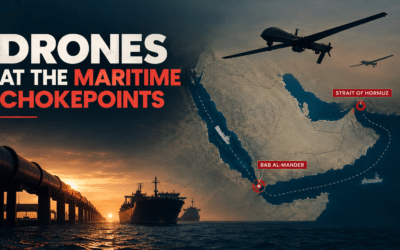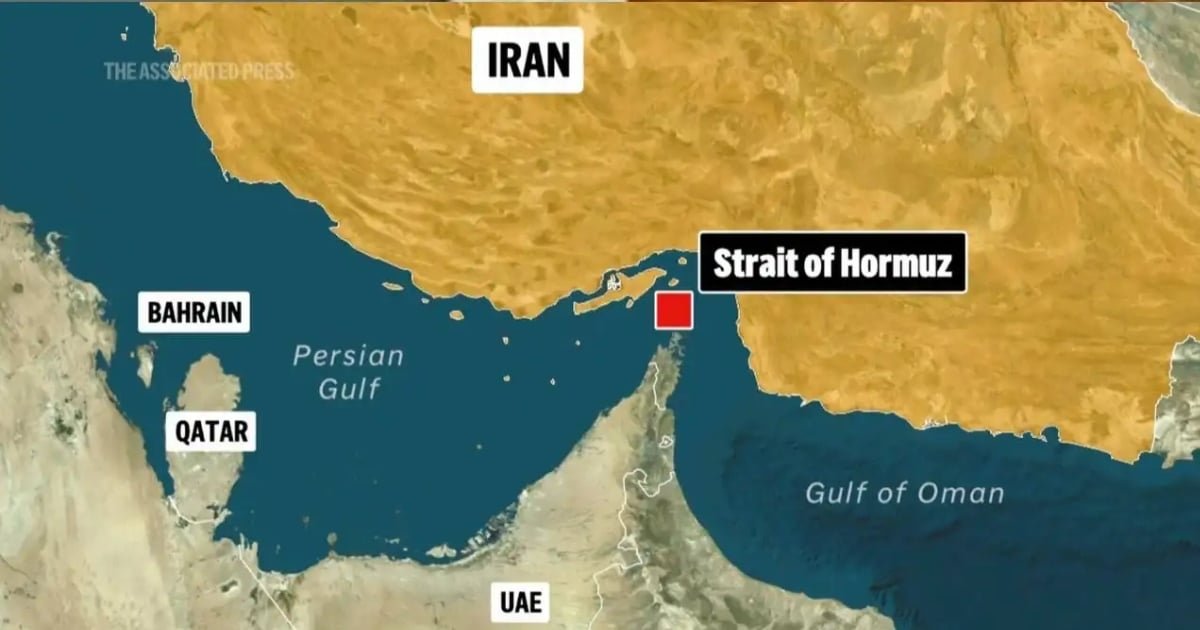





A diplomatic divide has emerged at the UN Security Council regarding the ongoing blockade of the Strait of Hormuz. On Monday, March 23, 2026, Bahrain, supported by the United States and other Gulf Arab states, circulated a draft resolution that would authorize the use of “all necessary means” to protect commercial shipping. This Chapter Seven resolution specifically identifies Iran’s actions as a threat to international peace and security, demanding an immediate end to attacks on merchant vessels. If passed, it would provide a legal framework for a multinational naval coalition to use force within the strait, including in the territorial waters of coastal states, to ensure freedom of navigation.
Bahrain put forward a draft United Nations Security Council resolution that would authorize countries to use ‘all necessary means’ to protect commercial shipping in and around the Strait of Hormuz, according to a text seen by Reuters https://t.co/BfXS4vkD3B
— Reuters (@Reuters) March 23, 2026
In sharp contrast, France has tabled a rival “conciliatory” text that avoids naming Iran and operates outside of Chapter Seven. The French proposal focuses on de-escalation, urging all parties to return to diplomacy while encouraging “strictly defensive” coordination, such as merchant vessel escorts, only with the consent of regional actors. This diplomatic friction occurs as the U.S. prepares to deploy 2,500 Marines and the USS Boxer amphibious assault group to the region. While the Bahraini text faces a likely veto from Russia and China, the competing resolutions underscore the global desperation to reopen a waterway that carries 20% of the world’s oil.
You May Like To Read: China Dispatches 60,000 Tons of Rice to Cuba Amid Food Crisis
Check out our latest video: