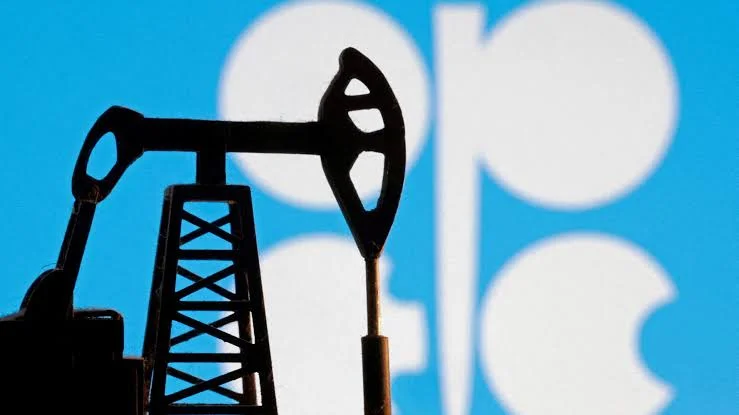





In a high-stakes response to the most severe energy supply crisis in modern history, seven core nations of the OPEC+ alliance agreed on Sunday to implement a fourth consecutive increase in oil production targets. The decisions come even as the ongoing military conflict between the United States and Iran continues to blockade critical maritime transit corridors and severely restrict global distribution capabilities.
OPEC+ raises targets by 188,000 bpd from July; Most members cannot meet targets due to Hormuz closure
Read: https://t.co/nOm6HCvZLp pic.twitter.com/kWqoctNagu
— Profit (@Profitpk) June 8, 2026
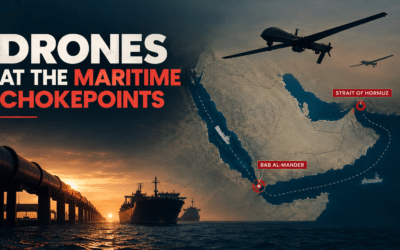
The ongoing war has choked energy flows through the strategic Strait of Hormuz, leaving major producers—including Saudi Arabia—unable to fulfill export commitments to global customers since late February. Adding to the group’s institutional challenges, the United Arab Emirates (UAE) officially severed its nearly 60-year ties with the Organization of the Petroleum Exporting Countries (OPEC) on May 1, complicatedly altering the alliance’s production baseline calculations.
To stabilize volatile energy markets, the seven core producers finalized a target increase of 188,000 barrels per day (bpd) effective July 1, 2026. This decision continues the trajectory of the June adjustment, which was downscaled from the 206,000 bpd monthly hikes implemented in April and May to account for the UAE’s sudden exit.
Global Energy Disruption and Unwinding of Production Baselines
Despite the formal upward revisions of paper quotas, actual global output has experienced a severe drop due to physical blockade constraints across the Persian Gulf. The statistical reality of the market, alongside the timeline to completely phase out historical production cuts, reflects a highly volatile structural outlook:
-
The Production-Target Paradox: Official OPEC metrics reveal that actual physical production collapsed to an average of 33.19 million bpd in April—a massive drop from the 42.77 million bpd recorded in February before the outbreak of hostilities. This indicates that while paper targets are being raised, the physical blockade prevents millions of barrels from reaching global markets.
-
Final Phases of the 2023 Cuts: The current monthly target increases are part of a multi-month strategy to systematically unwind the 1.65 million bpd production cuts originally agreed upon in 2023.
-
The September Horizon: Heading into July, the remaining volume of the 2023 cut to be restored stands at approximately 567,000 bpd (factoring in the removal of the UAE quota). If OPEC+ maintains its current pace of 188,000 bpd increases through August and September, the 2023 supply restrictions will be fully phased out by the end of September 2026.
Critical Analysis: The Hormuz Blockade, Sub-Group Hegemony, and the Looming Glut Threat
The outcomes of Sunday’s consecutive OPEC+ ministerial sessions reveal major shifts in global oil politics and energy security:
The Core Seven Sub-Group and the Loss of the UAE
The fact that only seven out of OPEC+’s 21 member states—Saudi Arabia, Russia, Iraq, Kuwait, Algeria, Kazakhstan, and Oman—formulated this output decision highlights a growing concentration of power within the alliance. This core group represents the only members with genuine, scalable spare production capacity.
However, the permanent loss of the UAE is a severe institutional blow to OPEC’s long-term market influence. Abu Dhabi’s departure reflects a fundamental strategic disagreement: the UAE has invested hundreds of billions of dollars to expand its production capacity to 5 million bpd and is no longer willing to have its long-term growth restricted by a quota system dominated by Riyadh and Moscow. By exiting, the UAE gains complete freedom to maximize its exports independently once regional transit routes reopen.
The Dangerous Post-War Market Reversal Threat
As noted by senior energy analysts, the current OPEC+ target increases are meaningless while the Strait of Hormuz remains physically blocked. However, the true danger lies in the exact moment the geopolitical crisis resolves.
Right now, oil prices are hovering around $93 a barrel—down from their wartime peaks but still significantly higher than the $72 baseline seen before the conflict began. The moment a permanent ceasefire is signed and the Strait reopens, a massive volume of bottled-up crude will hit the water simultaneously. Combined with the higher production targets approved this weekend, the global market could shift almost instantly from a severe supply shortage to a massive, price-crashing surplus.
Institutional Separation of Present and Future Quotas
The decision to separate Sunday’s proceedings into two distinct meetings was a calculated move to prevent immediate wartime disruptions from derailing the group’s long-term framework. While the Core Seven managed the immediate supply crisis, the full OPEC+ plenary session focused on maintaining the broader group-wide output policy, which remains locked in until the end of 2026.
Crucially, the alliance reaffirmed its commitment to completing an independent review of each member’s maximum production capacity. These audited figures will form the definitive baselines for the 2027 quota allocations, proving that despite the immediate chaos of the US-Iran war, the organization is determined to protect its regulatory structure into the next decade.
Market Sentiment and Geopolitical Off-Ramps
The recent drop in oil prices to $93 a barrel shows that financial markets are increasingly pricing in a diplomatic resolution to the conflict. Traders are gaining confidence that secret negotiations and regional mediation efforts are making a wider escalation less likely.
OPEC+’s decision to consistently raise paper targets serves as a stabilizing signal to global economies, reassuring major consumers that the alliance possesses sufficient oil reserves and is ready to flood the market the moment transit lines are cleared.